
A Three-Step Dental Ritual That Encourages Smiling
Discover a simple three-step dental routine that promotes oral health and encourages confident smiling.
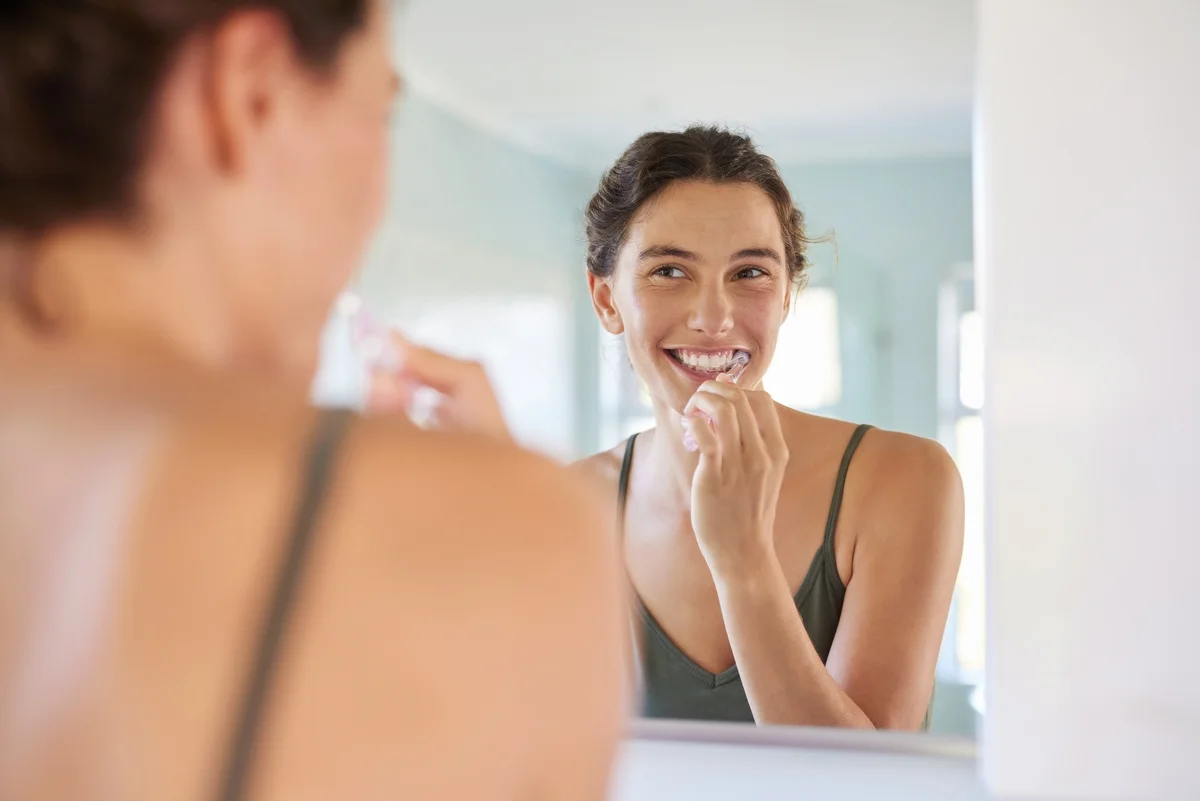

Caring for our teeth is essential not only for our appearance but also for our overall well-being. While some people naturally smile with confidence, others may hesitate, held back by self-consciousness or fear of judgment. Experts emphasize that a smile reflects more than just aesthetics; according to the World Health Organization, oral health has a psychosocial dimension that contributes to self-esteem and the ability to engage comfortably with others. Issues like persistent bad breath or tooth sensitivity can significantly impact our daily interactions. To transform dental hygiene from a chore into a nurturing ritual, we present a straightforward routine designed to help you smile freely.
1. Toothpaste: The First Step in Your Ritual
The goal is not to turn your bathroom into a laboratory. Basic health recommendations suggest brushing for at least two minutes, twice daily, using a fluoride toothpaste, along with appropriate interdental cleaning. Choosing the right toothpaste is crucial; it sets the tone for your routine. Factors such as flavor, texture, and effectiveness in addressing specific needs like sensitivity or whitening are important. However, the key element remains the fluoride content, as brushing with fluoride toothpaste is one of the primary preventive measures against cavities, according to the Haute Autorité de Santé. When selecting your toothpaste, consider:
- The presence and concentration of fluoride
- A formula suitable for daily use
- A response to specific needs: sensitivity, freshness, or shine
- A texture and flavor that encourage regular use
- Avoiding exaggerated whitening claims
2. Electric Toothbrush: Enhancing Your Technique
The effectiveness of brushing is primarily determined by the quality and consistency of your technique. A well-used manual toothbrush is still effective, but an electric toothbrush can simplify the process with features like timers, pressure sensors, and automated movements. A systematic review by Cochrane, a leading health data assessment organization, analyzed 56 studies with over 4,600 participants, concluding that electric brushes significantly reduce plaque. After three months of use, plaque and gingivitis indices decreased by 21% and 11%, respectively. However, the long-term benefits of these differences require further research. An electric toothbrush alone does not guarantee superior cleaning but can make the process more manageable and consistent. Key features to look for in an electric toothbrush include:
- A two-minute timer
- A pressure sensor
- An easy-to-use and maneuverable head
- Good battery life
- Reasonable costs for replacement heads
- Intuitive usage without unnecessary smart functions
3. Interdental Care: A Dedicated Approach
Even with careful brushing, it can be challenging to clean between teeth effectively. Therefore, dedicated interdental care using dental floss, interdental brushes, or a water flosser is essential. These tools can help reduce plaque and gingival inflammation, as noted by the American Dental Association. Dental floss fits into tight spaces, while interdental brushes work better for wider gaps. The water flosser uses a pulsating water jet to clean between teeth and along the gums. It is user-friendly and can be especially beneficial for those uncomfortable with flossing, wear braces, or need to clean around dental implants or prosthetics. Research indicates potential benefits in reducing inflammation and bleeding. However, the best tool is not always the most advanced; it should match your dental needs and be used correctly and consistently. A dentist can help determine the most suitable method.
The Ideal Routine: Designed for Longevity
The most effective routine is not necessarily the most complex; it’s one that you can maintain without constant negotiation with yourself.
In the morning:
- Brush for two minutes with fluoride toothpaste
- Carefully clean all surfaces of your teeth
In the evening:
- Use the appropriate interdental cleaning device
- Brush for two minutes with fluoride toothpaste
- Quickly clean and store your dental tools
French recommendations advocate brushing at least twice a day for a minimum of two minutes with a soft-bristled toothbrush, either manual or electric, and fluoride toothpaste. They recommend using interdental brushes or, if necessary, dental floss after learning the proper technique. A water flosser can be a supplementary option or suitable for specific profiles.
Our Recommendations to Enhance Your Routine
Ultimately, the ritual that encourages smiling is not one that promises a perfect mouth but one that makes you feel clean, comfortable, and less anxious about your smile, allowing it to emerge more naturally. This distinction is crucial: it is not the routine that builds confidence, but rather how it alleviates discomfort and embarrassment, enabling your smile to shine freely. Effectiveness lies not in the complexity of the tools but in the relevance of the products, precision of technique, and a sustainable routine.
References
- Yaacob M, Worthington HV, Deacon SA, Deery C, Walmsley AD, Robinson PG, Glenny A-M. Powered versus manual toothbrushing for oral health. Cochrane Database of Systematic Reviews 2014, Issue 6. Art. No.: CD002281. DOI : 10.1002/14651858.CD002281.pub3 ;
- Oral Health, Organisation mondiale de la Santé ;
- Stratégies de prévention de la carie dentaire, Haute Autorité de Santé ;
- Dental Floss/Interdental Cleaners, American Dental Association ;
- Sarkisova F, Morse Z, Lee K, Bostanci N. Oral Irrigation Devices: A Scoping Review. Clin Exp Dent Res. 2024 Jun;10(3):e912. doi: 10.1002/cre2.912