
The Mental Health Benefits of Physical Exercise
Physical exercise is known for its benefits on the body, but its positive impact on mental health is equally significant. Discover how exercise can aid in reducing anxiety, boosting self-esteem, and fostering emotional resilience.

Physical exercise is widely recognized for its positive effects on the body, including improved cardiovascular endurance, muscle strengthening, and weight loss, among other advantages.
However, its influence extends far beyond physical health, significantly impacting mental well-being. In today's world, where stress, anxiety, and depression are increasingly prevalent, exercise can serve as a crucial tool for enhancing well-being in a straightforward and accessible manner.
If you find yourself feeling overwhelmed, anxious, or low on energy, you are not alone! This article explores how exercise can be a powerful ally in improving your mental health and highlights the various aspects in which it offers substantial benefits.
Bidding Farewell to Anxiety, Not Just Calories
Everyone experiences stress daily. But did you know that a brisk walk or a yoga session can work wonders? Dynamic and mindful movement reduces cortisol levels, the stress hormone, while boosting the release of endorphins, the feel-good chemicals.
Focusing on your breath and body movements during exercise can help break the cycle of negative thoughts. The next time you feel overwhelmed, try running, swimming, cycling, or even doing some stretches at home. You will notice how your mind clears and anxiety diminishes, enhancing both your physical state and mental health.
Exercise is also an excellent way to channel emotions like sadness. You don’t need to hit the gym; simply going for a walk or practicing deep breathing can be enough to uplift your mood.
By moving your body, you activate your nervous system, releasing serotonin and dopamine, two chemicals that contribute to feeling better.
In this way, you will learn to manage your emotions while strengthening your body.
Boosting Your Self-Esteem
Self-esteem is a fundamental pillar of good mental health, and regular exercise can help bolster it.
Achieving small milestones, such as running an extra kilometer or feeling stronger after a workout, has a significant impact on your self-esteem and can help build your confidence.
Each of these small victories adds up, improving your self-perception and influencing other areas of your life.
Moreover, if you struggle with sleep, exercise might be the answer. Staying active regulates your internal clock, making it easier to rest at night. You don’t need to overexert yourself; a gentle routine before bedtime often suffices.
Getting quality sleep is vital for maintaining stable stress levels, so don’t underestimate the power of a good workout to enhance your rest.
Emotional Resilience and Socialization
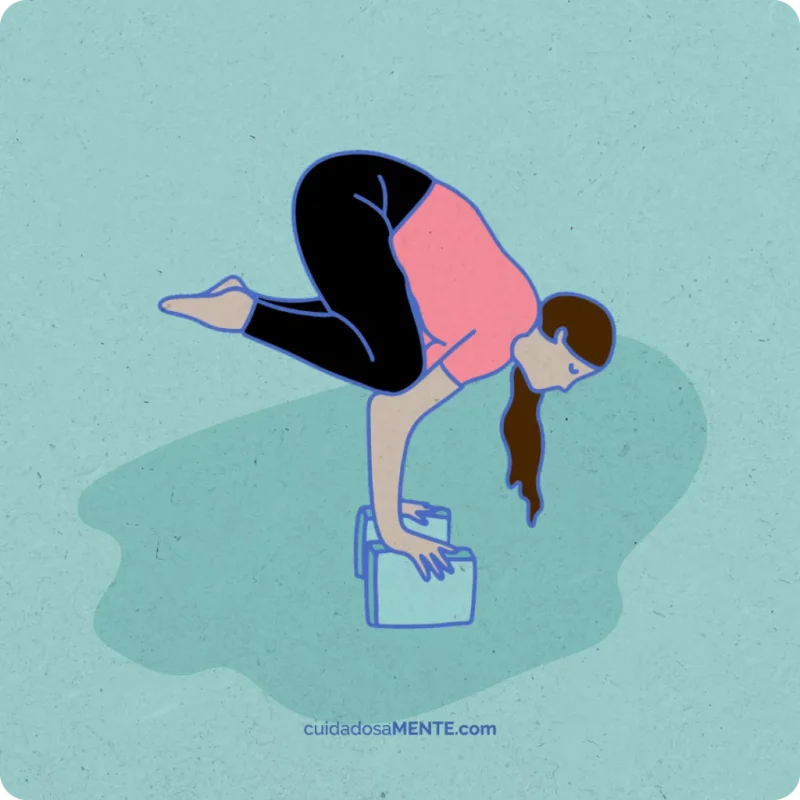
Life is full of challenges, and physical exercise can aid in building emotional resilience to face them.
Committing to complete a workout from start to finish trains you not to give up easily. This ability to persevere in exercise can translate into other areas of your life, enabling you to tackle difficult situations with greater confidence and calmness.
Exercise doesn’t have to be a solitary activity. Joining a yoga class, a soccer team, or simply walking with friends can enhance your sense of connection with others. Socializing while staying active not only benefits your body but also contributes to your mental health through additional interactions that can brighten your day and provide emotional support.
Strengthen Your Mind Through Physical Activity
Moving your body not only benefits your muscles but also fortifies your mind. Exercise enhances memory, concentration, and learning capacity. Additionally, staying active can protect you from potential mental health issues in the future. Each time you exercise, you are investing in a stronger and healthier mind.
Incorporating physical activity into your daily life can be the starting point for other healthy routines. Consistency in exercise will help you adopt better eating habits and pay more attention to your overall well-being. Creating, organizing, and executing these routines will keep you in a state of self-evaluation, leading to more informed decisions for your long-term health.
Move Your Body, Move Your Mind
Physical exercise should not be viewed solely as a means to burn calories. Its impact on your mental health should serve as a key motivation to stay active. You don’t need to make drastic changes; every small step counts and will help you progress.
Are you ready to enhance your mental health? Remember that we can support you today and help you experience the change you need in your life.