
No One Prepares Us for Watching Our Parents Age
Reflecting on the emotional journey of watching our parents age and the importance of cherishing the moments we have with them.

As I reminisced about a conversation with my brother years ago, a poignant phrase emerged: “We are so busy growing up that we fail to notice our parents are aging too.” This realization marked the first time I felt a profound, silent fear. It was a unique kind of fear, one that I had never encountered before.
It was the moment I contemplated a future without my parents by my side, and it terrified me. We often take for granted their unwavering presence. They are our stronghold, guiding us through life’s challenges, nurturing us, and providing comfort regardless of our age.
Then, one day, a shift occurs.
You notice them growing weary. They start forgetting things. Doctor visits become more frequent. You find yourself assisting them with tasks they once handled independently. You hear them express their physical discomfort, and suddenly, you grasp something for which no one has prepared you: your parents are aging. And no one teaches us how to process this reality.
After that conversation, I became increasingly anxious about a future without them. But then, my internal psychologist emerged, reminding me: “You can choose to live in fear, constantly anticipating the worst, or you can start to cherish the time you have with them now.” I chose the latter, with all my love.
It has been nine years since I lived with my parents, yet every time I see them, I strive to truly appreciate our time together.
Watching Our Parents Age Also Transforms Our Lives
We laugh, share meals, and engage in conversation daily. We go out, relish experiences, and create memories. I buy them little things I know they want, even if they never ask, and I delight in seeing the joy on their faces, reminiscent of the happiness I felt when they indulged me as a child.
Most importantly, I capture countless photographs. Because I have come to realize that photos are a beautiful way to tell time: “This happened. We were happy. We were together.”
In recent years, my fear has intensified as I have faced loss more closely. I said goodbye to my last grandmother and lost beloved uncles. These farewells serve as stark reminders of a truth we often prefer to ignore: Time is finite.
The people we love will not be here forever. Although this is a painful truth, it can also be a powerful invitation to live more fully and to process that pain.
As a psychologist, I frequently hear this fear in my sessions:
“It hurts to see my mom getting older.”
“I can’t stand to see my dad sick.”
“I fear thinking about a day when they are no longer here.”
“I feel guilty for getting frustrated when they can’t do things they used to.”
Having listened to this pain repeatedly and experienced it in my own life, I felt compelled to write this article.
Perhaps you too have felt that tightness in your throat as you witness your parents aging. Maybe you’ve cried in silence, contemplating their eventual absence. You might be supporting one of them through an illness or have already had to say goodbye.
The Grief That Begins Before a Farewell
There is a type of grief we seldom discuss, known as anticipatory grief, which is the sorrow that arises before a loss.
It’s the sadness we feel as we watch our parents age, when we know they are unwell, when we notice their dwindling energy, or when we see the marks time leaves on their bodies and lives.
Many people grapple with guilt over experiencing this pain. They often wonder:
“Why do I feel sad when they are still here?”
“Why am I crying when my mom is still with me?”
“Why does thinking about the future cause me so much anxiety?”
The answer is simple: loving deeply means acknowledging that one day, we will have to say goodbye. While a part of us tries to prepare for this, the truth is that we will never be completely ready.
Anticipatory grief is a blend of love, fear, nostalgia, anxiety, and gratitude. It is the love we hold for someone so profound that just imagining a world without them brings pain.
“No One Prepared Me to Care for My Parents”
This is a phrase I hear frequently in therapy.
It is spoken by those who are caring for a mother with cancer, a father with Parkinson’s, a mom with Alzheimer’s, or a dad who can no longer walk.
These are individuals filled with exhaustion, fear, guilt, sadness, and uncertainty. Caring for those who once cared for us is a deeply transformative experience.
Suddenly, the roles reverse. Now it’s you asking:
“Have you eaten?”
“Did you take your medicine?”
“Do you want me to accompany you?”
“When is your doctor’s appointment?”
And while we do this out of love, it’s important to acknowledge that it’s challenging.
There are days when it hurts, days when you feel broken, and days when you wish you could turn back time. We begin to speak to them as they once spoke to us:
“You shouldn’t eat that.” “Take care of yourself.” “Exercise.” “Go to the doctor.”
Often, we find ourselves arguing. Frustration and anger can surface, and behind those admonishments often lies a much deeper fear:
Fear of losing them. Fear of witnessing their suffering. Fear of imagining a life without them.
Sometimes, we forget that our parents are still adults navigating this stage of life. They too experience fear and perhaps, more than needing constant correction, they require companionship, to be heard, embraced, and loved.
If you are currently caring for one of your parents, I want to share this with you:
You are doing better than you think. Even when you feel tired, cry, experience fear, or occasionally lose patience, even if you don’t know what to do… Your presence matters. Your companionship matters. Your love matters. And that leaves an indelible mark.
The Greatest Gift We Can Give Them
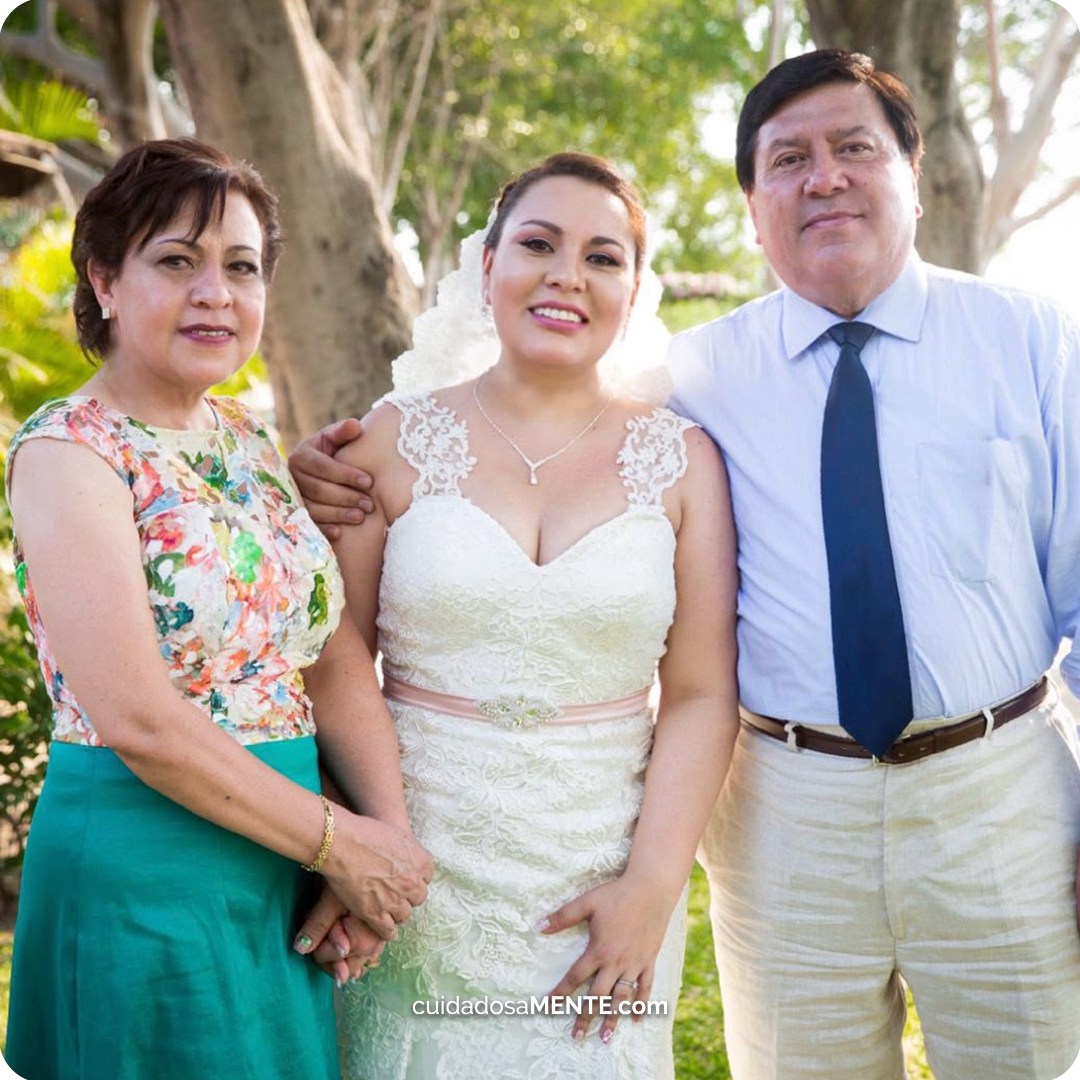
Many believe that loving their parents means doing something extraordinary for them. However, love often resides in the simplest moments: listening to a story we’ve heard countless times, laughing at the same joke again, sharing a coffee, sitting together in silence, cooking as a family, or capturing a moment in a photograph without realizing it will become a treasure.
Tell them you love them while they can still hear you.
Thank them.
Forgive them if you still harbor resentment.
Enjoy their company.
Because there will come a day when you won’t recall how many tasks you completed at work, but you will remember the time spent with them, their hugs, conversations, advice, and laughter.
It’s not about living in fear of losing them; it’s about being aware that they are still here today. And that, in itself, is an immense gift.
While we may never be prepared to say goodbye to our parents, we can choose to ensure that when we look back, our memories are filled with love, presence, and the peace of knowing we made the most of the time we had together.
If you are caring for a parent with an illness, remember this:
You don’t have to be perfect.
You don’t have to be strong all the time.
You don’t need to have all the answers.
It’s okay to feel tired.
It’s okay to cry.
It’s okay to ask for help.
Your love isn’t measured by how much you endure; it’s measured by how much you stay.
And staying, even in fear, is one of the deepest forms of love.
If You Have Already Lost Your Parents
These words may resonate with a wound that still aches deeply.
If that’s the case, I want to embrace you through these lines.
Because I know there are absences that forever alter how we inhabit the world.
Some farewells leave us shattered: one part of us moves forward while another remains forever seeking that voice, that hug, that call, that presence we miss so dearly.
I also understand there are days when the pain resurfaces unexpectedly: upon hearing a song, preparing a recipe, visiting a shared place, or experiencing a significant moment and longing with all your heart to share it with them.
But I want to remind you of something I’ve learned through listening to stories of grief and accompanying those who have loved deeply: love does not end when someone dies.
Love transforms.
It continues to exist in the lessons they imparted, in the songs they loved, in the phrases we repeat unconsciously, in the values we inherit, in the way we care for others, and in the person we become because of them.
The people we love deeply never completely disappear.
They remain within us, in our choices, our habits, and our perspectives on life.
And while there may be days when their absence is painfully felt, there will also come a time when their memories will evoke not just tears but smiles, gratitude, and the reassurance of having been immensely loved.
Because true love has a unique way of remaining: it finds ways to continue accompanying us, even when we can no longer see it.
I Must Confess Something…
This article is not solely born from my professional training or my experience in therapeutic processes. It originates, above all, from my own story.
I love my parents deeply.
And if I’m completely honest, the thought of losing them terrifies me.
I fear imagining a world where I can no longer call them, where I can’t embrace them, where I can’t hear their voices.
And it is precisely from this fear that I have built tools to live in the present, for I refuse to spend my life suffering over a farewell that has yet to come.
I don’t want to squander the present out of fear of the future.
I want to cherish the time I have.
I want to enjoy them.
I want to create memories.
I want to love them today.
Because I have realized that the best way to prepare for an absence is not to live in fear but to fill the present with so many memories, so much love, and so much shared life that when the moment arrives, we can close our eyes, take a deep breath, wipe our tears, and say with a peaceful heart: “Thank you for being my parents, thank you for loving me so much, and thank you for allowing me to turn my fear of losing you into the immense privilege of enjoying you.”
Mom, Dad, I love you ❤️