
The Role of Audio in Sleep: Why Many Turn to Podcasts to Drift Off
Millions of people rely on podcasts to fall asleep, a habit that reveals deeper psychological mechanisms. Researchers are uncovering how this practice affects sleep quality and mental processes.
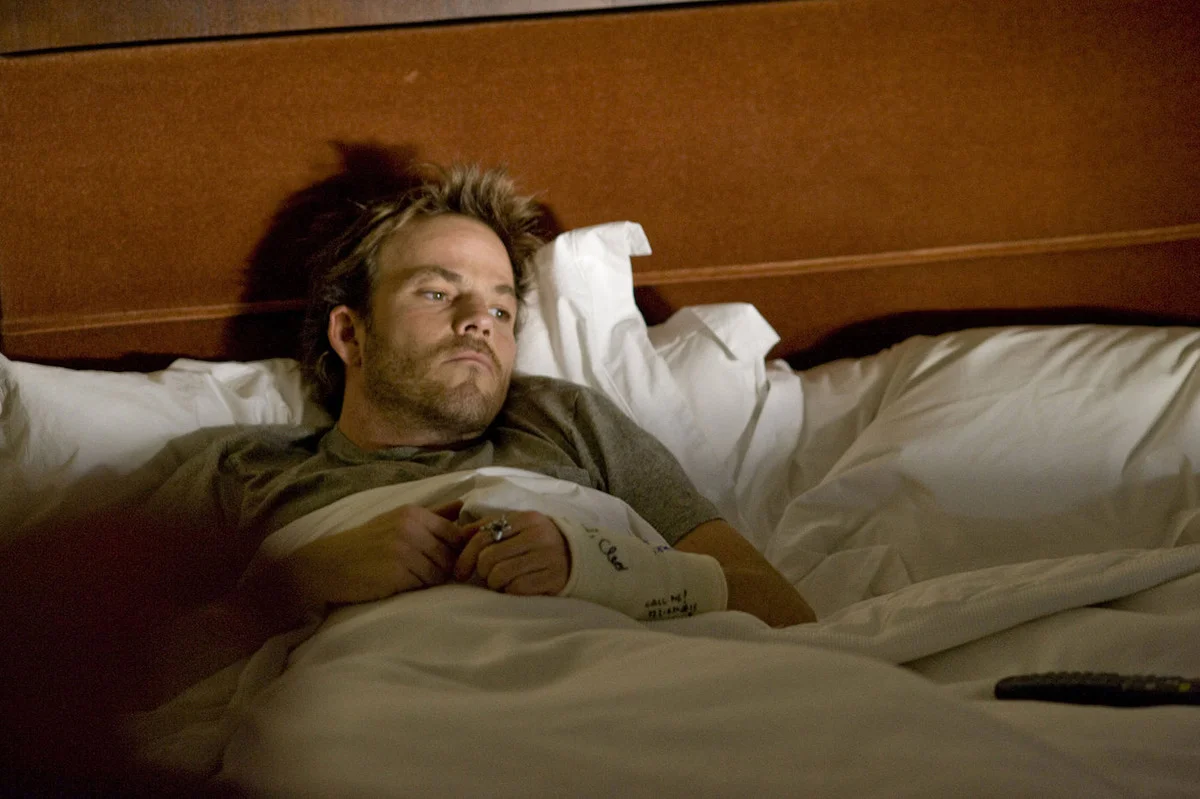
Technology Use in Sleep Rituals
Every night, countless individuals find solace in the familiar sounds of podcasts as they attempt to escape the relentless cycle of racing thoughts. This comforting ritual is rooted in a specific psychological mechanism that researchers are beginning to understand more clearly.
As the clock strikes four in the morning and the timer on your app has long since silenced, the room returns to a quiet stillness. Suddenly, all the day's unresolved issues flood back: emails, tensions, and to-do lists. In response, you reach for your phone, cue up your favorite episode, and nestle back into bed amidst that familiar auditory backdrop. For many, the act of falling asleep with a podcast has become an automatic evening routine. Streaming platforms have recognized this trend, as many listeners drift off to shows ranging from comedy to true crime, often without actively seeking out soothing content. We tell ourselves that these familiar programs provide comfort, yet sleep psychologists suggest that the real story lies in how our minds react when silence prevails.
The Silence That Invites Overthinking
Researchers describe the phenomenon of pre-sleep cognitive hyperarousal, where the brain remains active even when the body is ready for sleep. This means that mental paperwork continues: replaying conversations, planning for tomorrow, and reassessing decisions. A long-term study involving adolescents found that this heightened mental activity just before bedtime was a stronger predictor of sleep issues than factors like caffeine intake, screen time, or mattress quality.
Good sleepers often report a vague mental state, while those struggling with insomnia experience a torrent of mental rumination: revisiting the day, strategizing for the next, and envisioning various scenarios. Data from the podcast platform Acast indicates that individuals who use podcasts to fall asleep typically stick to their usual choices, often comedic or crime-related, and take about ten minutes longer to doze off compared to those who listen to nothing. This suggests that the sound may occupy the mind more than it truly soothes it.
The Repetition of Familiar Episodes
A revealing detail about this audio ritual is that many listeners struggle to recall the last twenty minutes of the episode they fell asleep to. Conversely, when the content is new and suspenseful, listeners tend to stay awake, captivated by the unfolding story. Thus, to facilitate sleep, the brain often opts for a familiar, predictable episode that merely occupies the inner voice.
In this nightly routine, it’s not so much the narrative that matters, but rather the way it fills the silence. Some may fall asleep to the same season of Game of Thrones, while others prefer a true crime podcast, even though these choices are not inherently calming. We might think we enjoy the show for its own sake, yet it serves primarily as a barrier against the intrusive thoughts that silence would otherwise invite.
Strategies to Calm Thoughts Without Abandoning the Ritual
Psychologist Thomas Borkovec studied a technique known as worry postponement back in 1983. This method, in its modern iterations, involves designating a specific time and place to address worries rather than dealing with them in bed. When a concern arises outside this designated time, it can be briefly noted for later consideration. The duration for this practice varies, and while a systematic recommendation of fifteen minutes does not stem from Borkovec’s original study, a meta-analysis published in 2023 found a generally positive effect on daily worries, although results varied across studies.
An experimental study by researchers at Baylor University and Emory University revealed that participants who spent five minutes writing down a specific list of tasks for the coming days fell asleep faster than those who merely documented what they had already accomplished—approximately sixteen minutes versus twenty-five. Although this small-scale study involved only 57 healthy young adults observed in a lab overnight, it hints at a straightforward approach, albeit with results that may not apply universally to all those with sleep difficulties.
These strategies aim to lessen the mental load of unfinished tasks and worries at bedtime. Briefly testing silence might also help some individuals identify the thoughts that emerge, though the specific recommendation of "one and a half minutes" lacks a solid research foundation.
Three Adjustments to Minimize Audio Disruption During Sleep
It’s not necessary to forgo this nightly ritual, but rather to be mindful of its actual impact on sleep quality. Audio can remain a source of relaxation if it doesn’t delay bedtime or lead to awakenings. Here are a few precautions to consider, even if they haven’t all been specifically evaluated in podcast studies:
- Set a timer for 20 to 30 minutes to prevent the episode from playing all night.
- Opt for older, more predictable episodes devoid of suspense.
- Keep the volume low, turn off or dim the screen, and avoid uncomfortable earbuds during sleep.
If audio is essential each night, if it requires restarting after multiple awakenings, or if difficulties falling asleep persist and affect daily life, it’s likely that the podcast isn’t addressing the root cause of the issue.
In such cases, it’s advisable not to merely adjust listening habits but to investigate what truly contributes to these sleep disturbances. A healthcare professional can explore potential insomnia or related disorders and recommend appropriate treatment.