
The Silence of Online Dating: A Frustrating Reality
An exploration of the challenges faced in online dating, where many women struggle to engage in meaningful conversations, leaving users frustrated with shallow exchanges.
In the realm of online dating, a recurring theme emerges: many women seem to struggle with initiating meaningful conversations. This observation has been noted by numerous users, who find themselves often bearing the brunt of one-sided exchanges that lack depth and engagement.
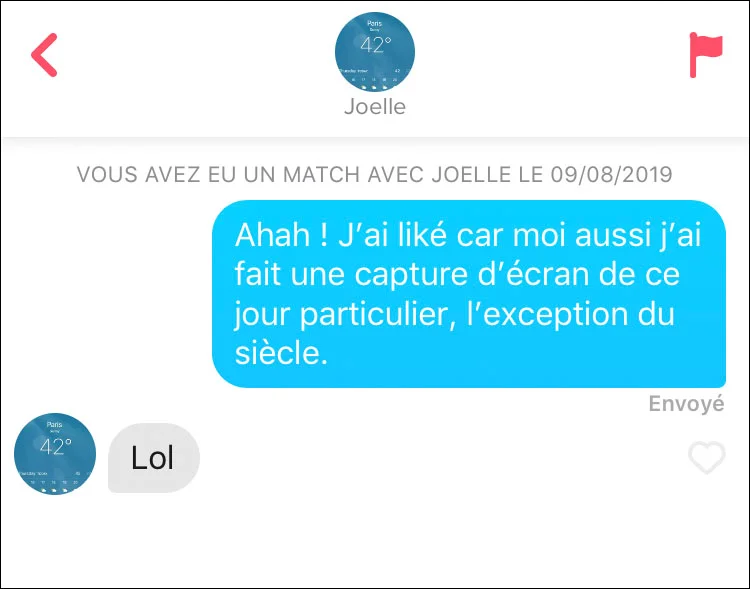
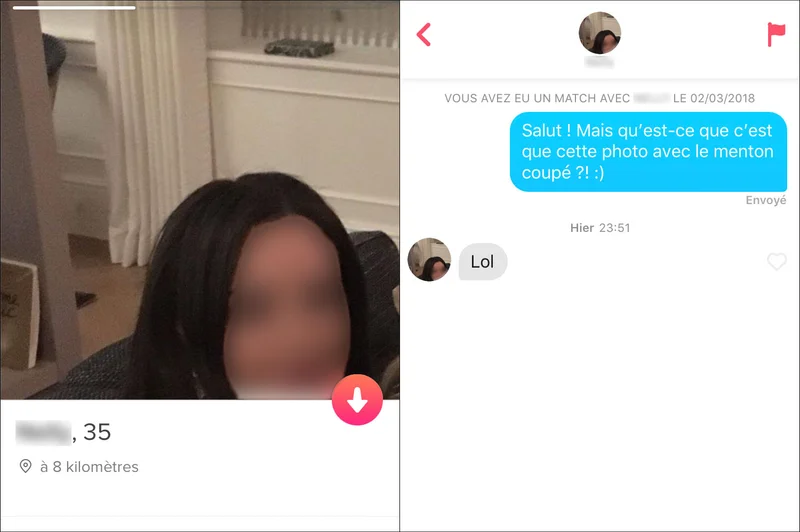
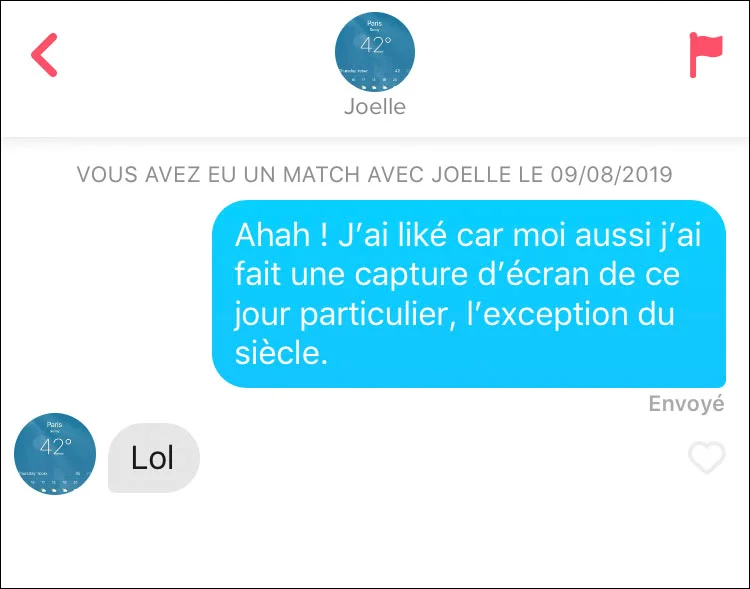 One individual recounts their experiences on dating platforms, highlighting the stark contrast between the effort they put into conversations and the minimal responses they receive. For instance, a match with a woman named Joelle, who had no profile text or photo, resulted in a mere "Lol" in response to a thoughtful comment about the weather. This left the user questioning whether such interactions stem from laziness or a lack of communication skills.
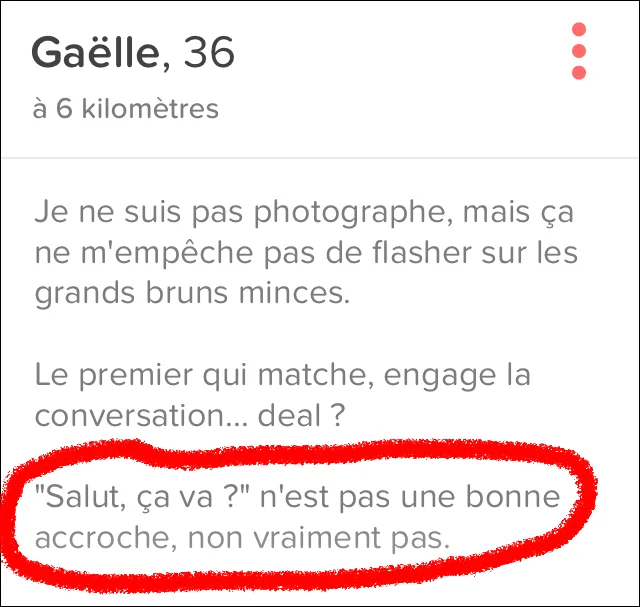
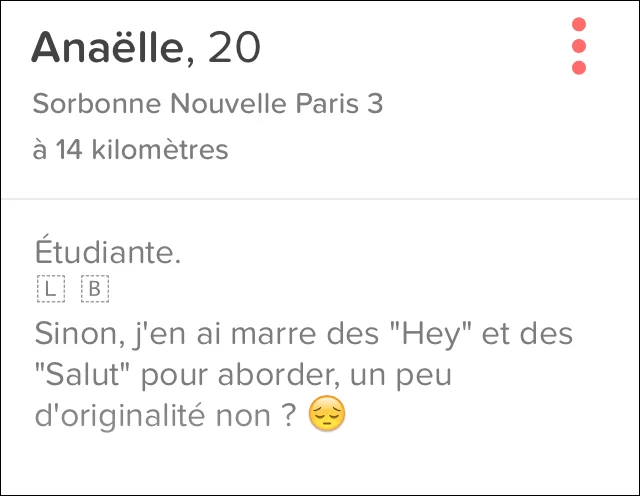 This phenomenon isn't exclusive to women; men also exhibit similar communication deficiencies. Many women express frustration over the lack of originality in how men approach them, suggesting that men may need to exert more effort to keep the conversation alive. However, even when men attempt to be creative, they often face silence or dismissive replies, leading to a reluctance to engage further.
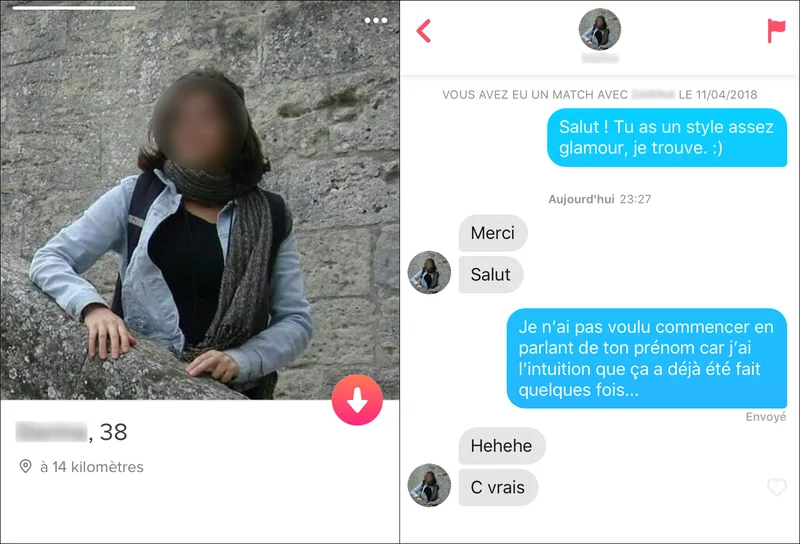
 One user shares their experience with a match named N., who also provided little more than a single-word response. This pattern of brief, often unoriginal replies—such as "lol" or "mdr"—suggests a troubling trend in online dating, where meaningful dialogue is often replaced by superficial exchanges.
In another instance, a match with a 25-year-old named N. resulted in an attempt to engage with a conversation starter, but the interaction fell flat. Similarly, a match with D., who had an appealing array of photos but no profile text, yielded a lack of response that left the user disheartened.
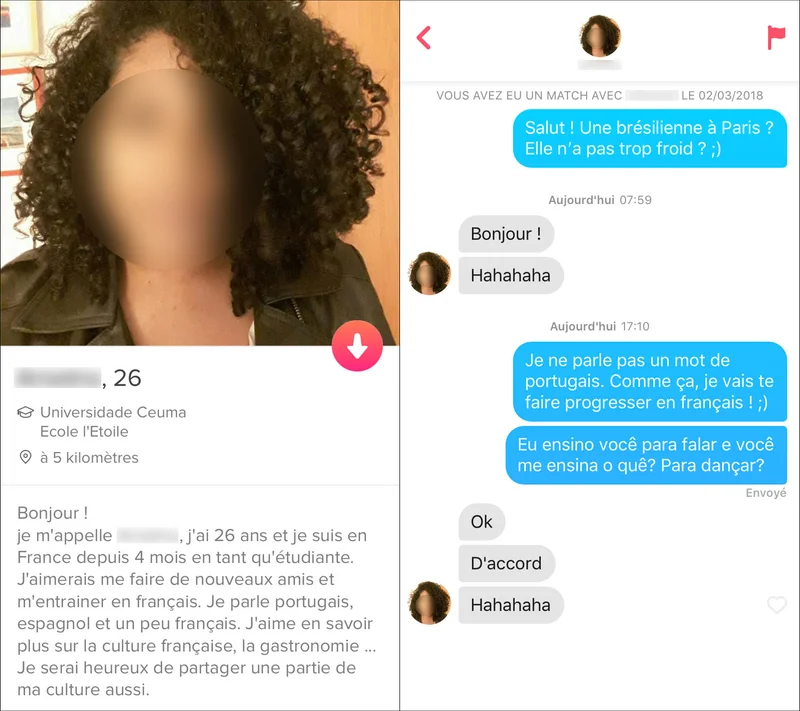
 The user’s frustration continues as they recall matching with A., a Brazilian woman with a well-crafted profile. Despite the initial promise of engaging conversation, the responses remained disappointingly brief. This led to a sense of futility, as the user often felt they were conversing with individuals whose communication skills resembled those of a child.
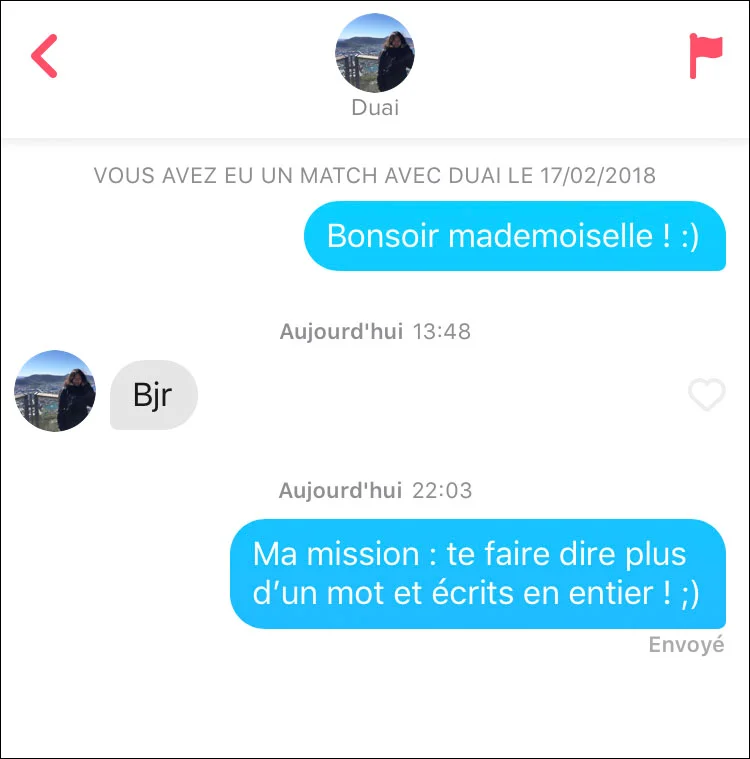
 In a particularly striking example, a match with Duai resulted in a conversation that began with a simple greeting, only to be met with an incomplete response. This lack of effort in communication raises questions about the motivations behind these matches, as it seems to reflect a broader issue in online dating culture.
 While some might argue that such interactions indicate a lack of interest, the user points out that even when women initiate conversations, the responses often remain disappointingly shallow. A match with P., who opened the conversation, led to a similarly terse exchange, prompting the user to withdraw from further communication.
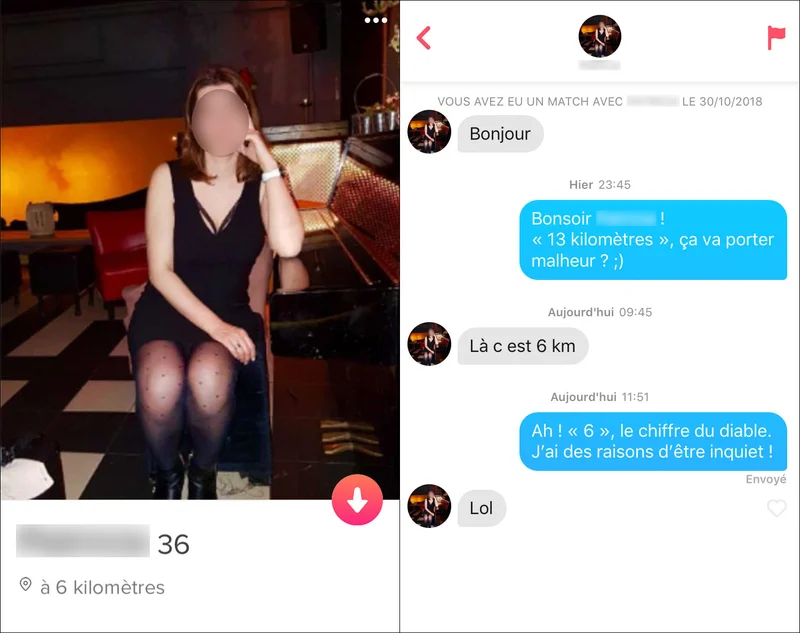 The user’s encounters illustrate a pervasive trend where many women seem to struggle with crafting responses that go beyond a few words. Even when a match with J. led to a brief exchange, the user found themselves waiting for a more substantial reply that never came.
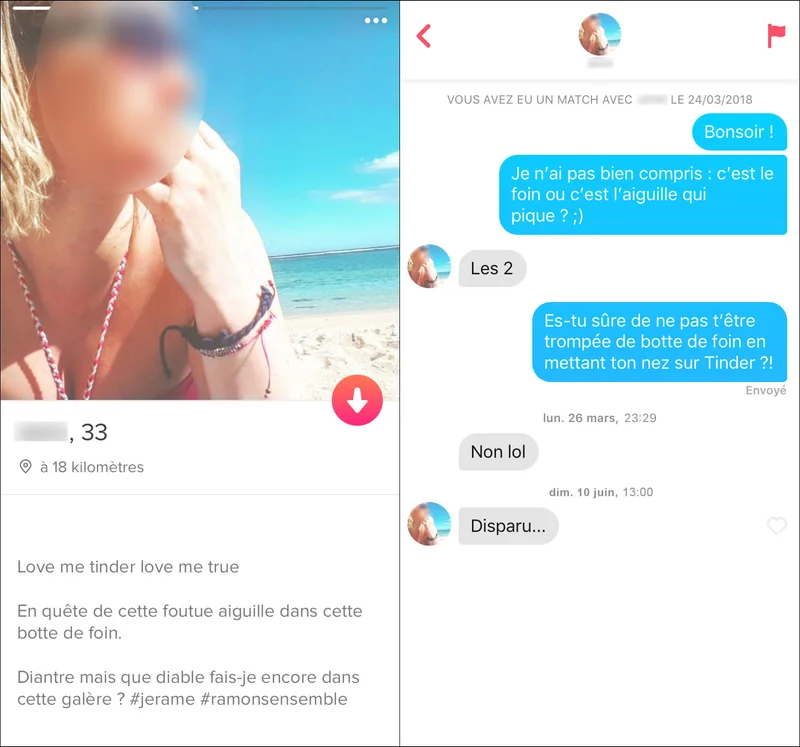
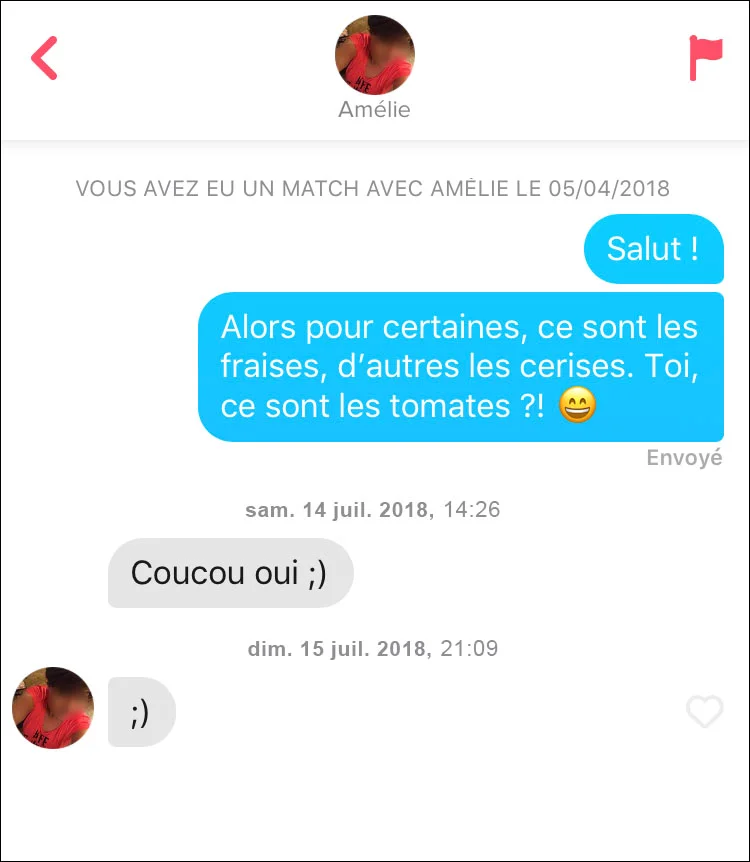 The frustration is compounded when matches result in delayed responses that still lack substance. For instance, after months of silence, a message from Amélie consisted of just two words, further emphasizing the imbalance in communication.
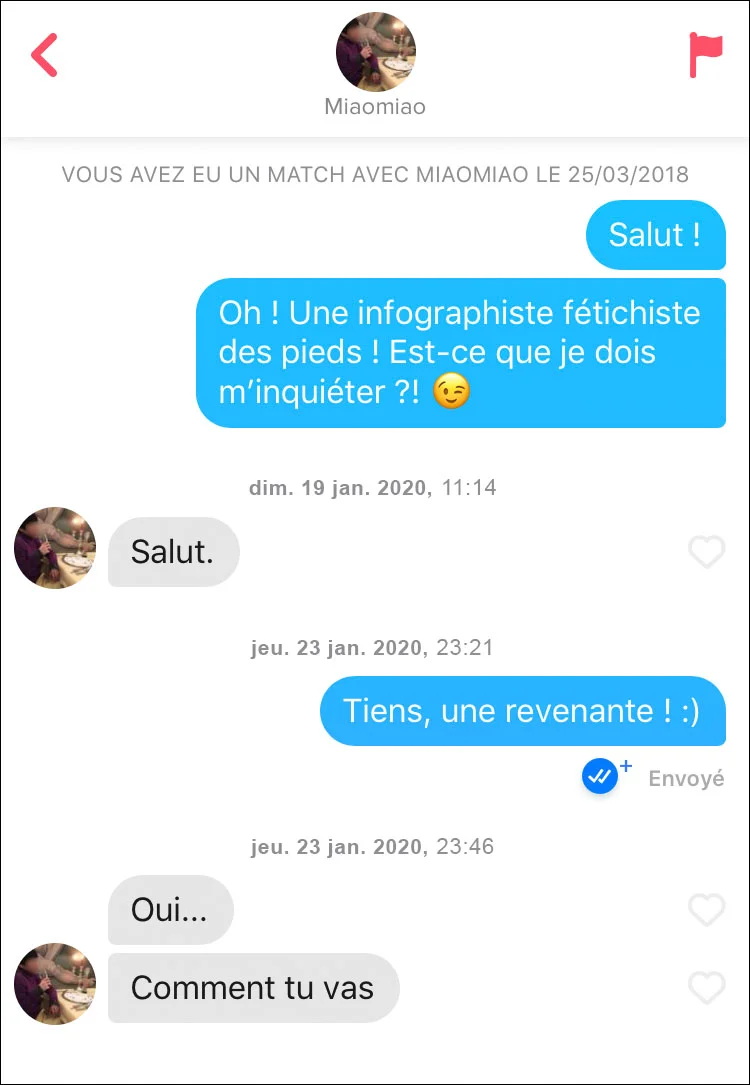 Even after two years, a response from Miaomiao was equally lackluster, showcasing a troubling trend where individuals struggle to engage meaningfully. The user reflects on the irony that those who often complain about the lack of interesting men in online dating may themselves contribute to the problem with their limited engagement.
Among the ten examples shared, not a single woman managed to formulate a response exceeding three words, raising concerns about the overall landscape of online dating interactions. This pattern begs the question: what more can these individuals bring to the table if they struggle to express themselves in conversation?