
Understanding and Managing Persistent Sadness
Understanding sadness and how to manage it is crucial for emotional well-being. Explore the triggers, symptoms, and healthy coping strategies to navigate through difficult feelings.

When we experience sadness, our instinct may be to escape from those feelings, as this emotion is often associated with weakness, pity, or giving up. However, avoiding sadness can lead to other symptoms that disrupt our daily lives.
Validating, accepting, and managing sadness in a healthy way requires self-awareness and practice. This process can pave the way for introspection and personal growth.
What is Sadness?
Sadness is one of the fundamental emotions that all humans encounter. Like any other feeling, it is temporary and serves a purpose, yet society has long taught us to view it as a “negative” emotion, complicating its healthy management.
Often, it can be challenging to pinpoint sadness as it frequently coexists with other feelings such as loneliness, discouragement, nostalgia, melancholy, disappointment, and more.
What Triggers Sadness?
Emotions are physiological responses designed to help us adapt to or cope with various situations.
Sadness is a natural reaction to painful circumstances, including personal conflicts, workplace issues, and especially losses—whether real or anticipated.
Common triggers for sadness include the loss of a relationship, such as the death of a loved one or the end of a romantic connection. It can also arise from significant changes, like transitions through different life stages (childhood, adolescence, adulthood, old age), leaving a job, unexpected shifts, relocating, or being apart from someone important.
At times, sadness can stem from bad news, unmet expectations, feelings of rejection, exclusion, or not being valued by someone significant. We can even feel sadness when hearing about the struggles of others, global issues, or being with someone going through a tough time.
How to Identify It?
Sometimes, emotions can be masked by other sensations that provide us with a sense of security or comfort. When feeling sad, we might think we are simply irritable or fearful, but anger can actually be a mask for sadness.
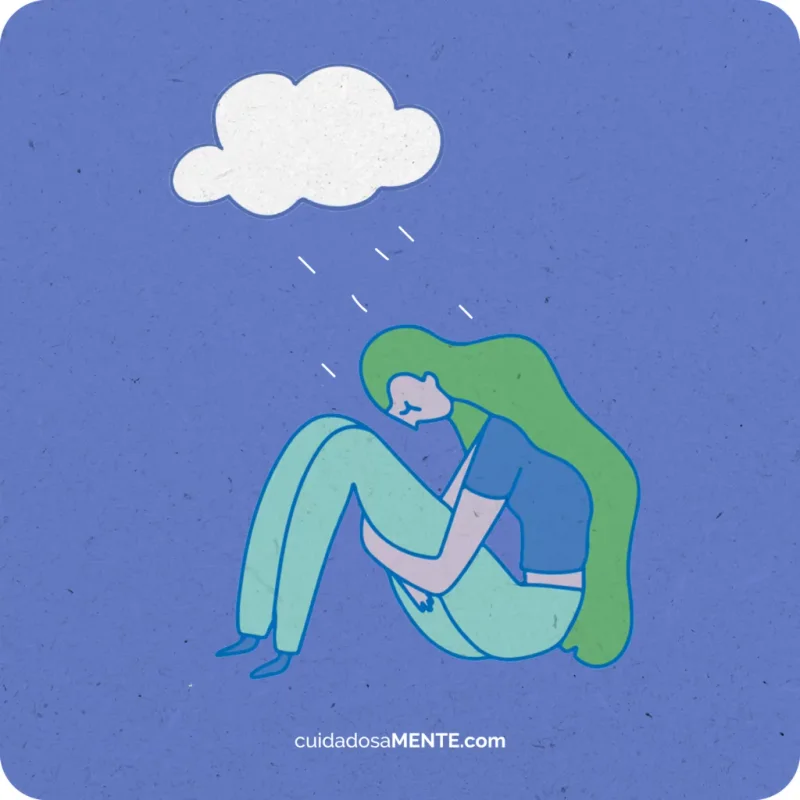
Thus, it's crucial to pay attention to our bodies and recognize the sensations present, as everyone experiences emotions differently. Indicators of sadness may include:
- A sense of sluggishness
- Tearful eyes
- A lump in the throat
- Heaviness
- Chest tightness
- Fatigue
- Low energy
- Prolonged inactivity
- Apathy
- A feeling of emptiness
- Changes in sleep and appetite
- Speaking less or slowly
- Slumped posture
- A downcast facial expression
- Frowning
- Drooping eyes
What Purpose Does It Serve?
Sadness invites us to pause and reflect on what is causing this emotion. Asking ourselves “What am I missing?” can lead to introspection, helping us process significant situations or changes.
If handled functionally and healthily, sadness can become an opportunity for growth and deeper connection with ourselves.
Moreover, it fosters empathy, unity, and support among those around us. It helps us both give and receive the understanding needed during tough times, and by sharing our vulnerabilities, we strengthen our bonds.
Why Do I Feel Sad All the Time?
When sadness is persistent or particularly intense, it’s vital to pay attention to our needs. Various biological, psychological, and social factors can contribute to this, as health is holistic.
Regular medical check-ups under professional supervision are essential. Biological risk factors may include chemical imbalances, such as low levels of serotonin or dopamine.
Lifestyle also plays a significant role: inadequate nutrition, lack of sleep, minimal physical activity, and disconnecting from our support network can be crucial factors.
Beliefs such as the fear of feeling because it might “lead to a depressive disorder,” thinking “you are weak,” or believing “it won’t change anything,” can make it harder to embrace sadness.
The more we resist expressing this emotion functionally, the more intense it becomes, manifesting in symptoms such as:
- Isolation
- Irritability
- Negative thoughts or memories associated with unpleasant emotions
- Difficulty recalling positive moments
- Disinterest
- Loss of pleasure
- Guilt
- Self-criticism
These symptoms can make sadness feel even more overwhelming.
When we encounter “unpleasant” emotions, our tendency is to avoid or escape situations that trigger these feelings.
However, this approach is not sustainable over time, as it gradually creates a snowball effect. Initially, isolation becomes more frequent, leading to a cessation of enjoyable activities, and eventually, we may find ourselves inactive, watching TV, scrolling on our phones, or engaging with social media.
If emotions are responses to situations, what activities bring you pleasant sensations?
How Can I Manage Sadness?
If not managed effectively, sadness can escalate into a depressive disorder. Thus, it’s crucial to prioritize our mental health and seek support during difficult times.
To manage sadness, it’s important to identify and validate the emotion. Avoid blaming, criticizing, or shaming yourself for feeling this way; this openness allows for acceptance of discomfort and helps identify what you need, rather than fleeing from uncomfortable emotions.
Taking time in silence and practicing meditation can be beneficial:
Talking to a loved one, writing, crying, or seeking the help of a therapist can also be helpful.
Breathing exercises are effective in managing emotions and returning to your baseline. Focus on your breath, trying to inhale for longer than you exhale: inhale energy and vitality, and exhale all discomfort.
Physical movement is vital: stretch, walk, or gently sway your body, listening to your needs. Even if you lack motivation, allow yourself to engage in activities that bring you peace and tranquility. Connecting with loved ones, spending time with animals, nature, or in places that evoke pleasant feelings can be beneficial.
Remember that self-care is crucial: a shower, a clean environment, and attention to your nutrition, sleep, and exercise are protective factors that can help you navigate through these challenging moments more effectively.
Keep in mind that everyone experiences sadness, but learning to be our own safe space makes us brave and resilient.

Psic. Lucía Guerrero
Psicóloga clínica en CuidadosaMENTE