Understanding Basic Emotions and Their Impact on Relationships
Explore the fundamental emotions that shape our interactions and learn how to manage them for healthier relationships.

When we encounter someone, the common greeting is often, “How are you?” with the typical response being “I’m fine.” However, saying one is "fine" does not truly convey an emotion.
This raises some important questions:
Do we really understand what an emotion is? How many emotions are there? Can we accurately name and identify them?
In this article, we explore:
What Are Emotions?
Emotions are bodily responses to both internal and external stimuli. It’s crucial to recognize that there are no good or bad emotions; rather, some may feel more pleasant than others and are typically intense but fleeting.
If an emotion lingers for too long, it may indicate an underlying issue, which is why it’s important not to suppress them. While we cannot control our emotions, we can manage them in a healthy way to prevent them from overwhelming us.
The Six Basic Emotions According to Paul Ekman
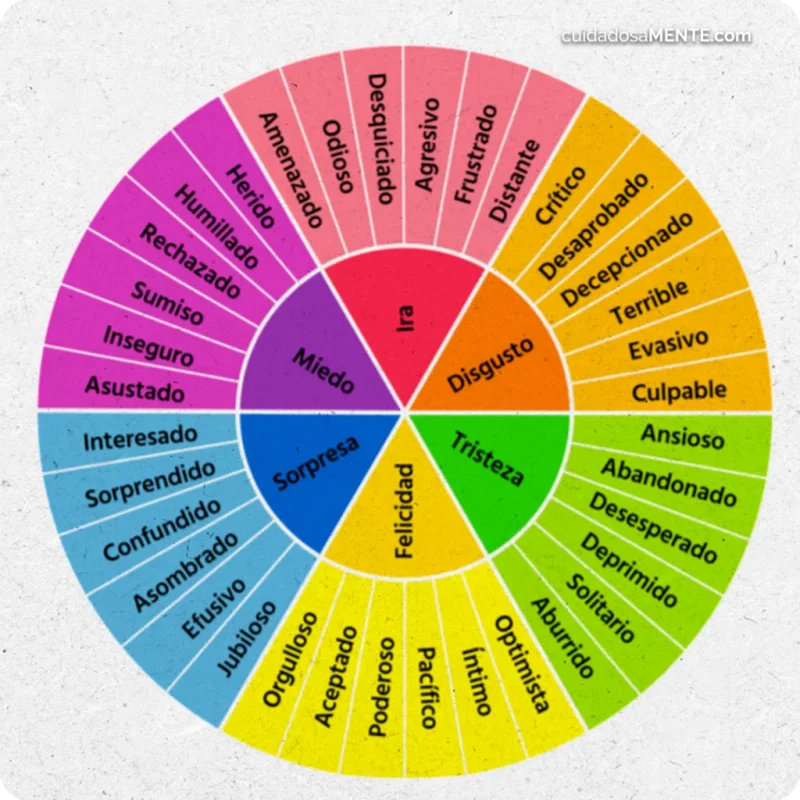
Paul Ekman, a renowned psychologist, dedicated his career to studying emotions and their facial expressions. He identified six basic emotions that all humans experience innately:
- Anger
- Sadness
- Disgust
- Fear
- Joy
- Surprise
These emotions allow us to recognize facial expressions across different cultures, making them universal and transcending barriers. This universality enhances communication and helps us understand one another better.
Why Is It Important to Learn to Manage Emotions?
Basic emotions begin manifesting in childhood and evolve into more complex feelings over time. Learning to identify, name, and manage our emotions is essential for developing emotional intelligence, which in turn fosters healthier relationships and a more balanced life.
Every feeling serves a purpose, and we must pay attention to understand what is happening within our internal and external worlds. For instance:
- Unpleasant emotions like fear or anxiety prepare us for survival, helping us confront or escape danger.
- Pleasant emotions like joy enhance social connections and contribute to our physical and emotional well-being.
The Three Essential Aspects of Emotions
Emotions can be analyzed through three dimensions:
- Neurophysiological: There is always a bodily response (e.g., rapid heartbeat, sweating, trembling).
- Cognitive: This pertains to the subjective emotional experience and the personal meaning we assign to it.
- Behavioral: This includes how we express emotions through posture, gestures, voice, and movement.
How Can We Manage Emotions Healthily?
To handle our emotions in a healthy manner, consider the following steps:
- First, we must accept the emotion rather than deny or repress it. Understanding and embracing our feelings allows us to begin working through them.
- Utilizing sensory regulation can help us calm intense emotions. Engaging our senses to ground ourselves in the present—through conscious breathing, physical movement, or relaxation techniques—can be beneficial.
Each emotion is a part of the human experience and can coexist in various ways. Therefore, it’s vital to embrace, accept, and freely experience our emotions.
If you wish to delve deeper into this process, therapeutic guidance can be a valuable resource for learning how to identify, name, and regulate emotions in a healthy way.
Lastly, here’s the emotion wheel to help you respond with greater emotional awareness the next time someone asks, “How are you?” rather than just saying “fine.”