
Understanding the Threshold of Solitude: Insights from Science
Explore the scientific findings on loneliness and solitude, including how age and social media influence feelings of isolation.
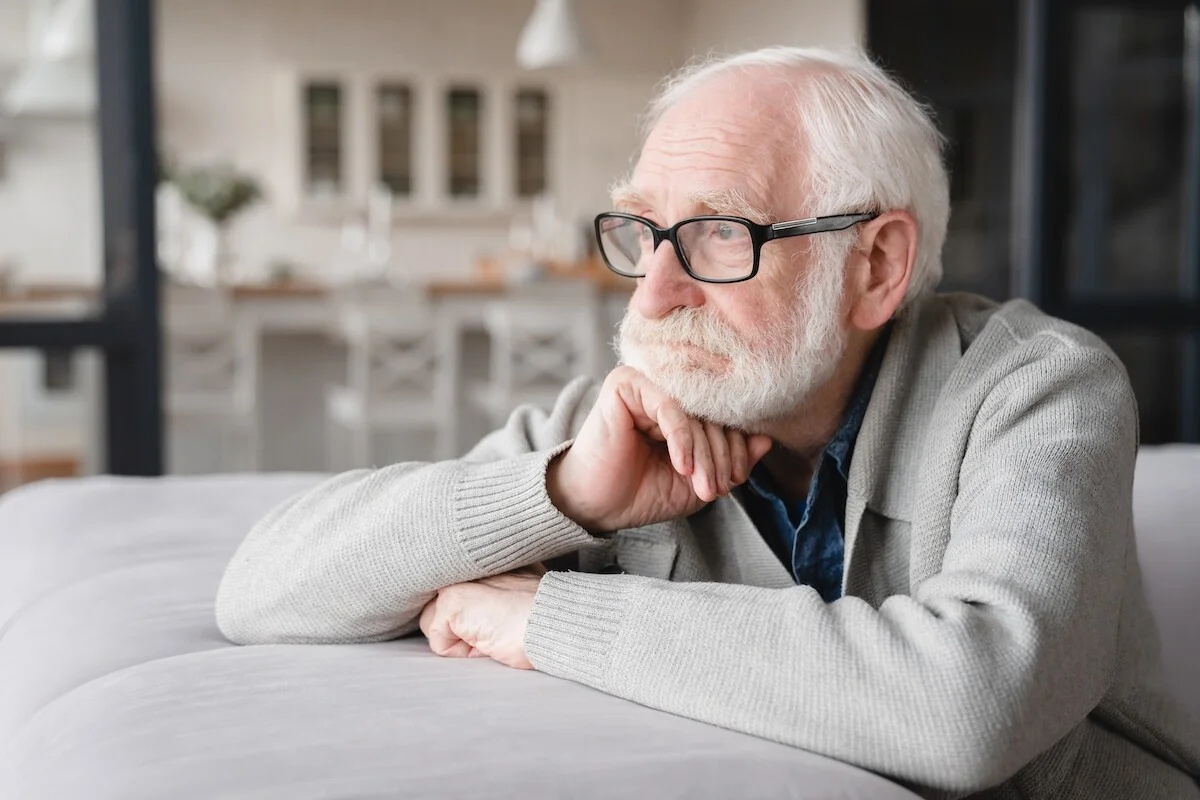
In the realm of relationships and emotional well-being, the distinction between being alone and feeling lonely is crucial. Recent research sheds light on the threshold at which solitude transforms into a profound sense of loneliness.
Contrary to popular belief, being alone does not necessarily equate to feeling lonely. An illuminating study published in September in the Journal of Research in Personality by researchers from the University of Arizona reveals that there is no direct correlation between the amount of time spent alone and the feeling of loneliness. Participants in the study who reported feeling the loneliest fell into two distinct categories: those who spent very little time alone and those who spent a significant amount of time isolated. As David A. Sbarra, the lead author and a psychology professor at the University of Arizona, succinctly puts it, "It's really the definition of feeling lonely in a crowd." Conversely, an individual who spends a great deal of time alone may not necessarily experience loneliness. However, the study found that if a person spends too much time in isolation, a sense of loneliness eventually emerges. Researchers observed that participants who spent at least 75% of their time alone consistently reported feelings of loneliness.
The Impact of Spending 75% of Time Alone
Spending three-quarters of one's time alone is closely associated with feelings of isolation. The research also highlights the influence of age on the perception of solitude. For adults under the age of 40.5, there is no significant relationship between isolation and loneliness unless they exceed the 75% threshold of solitary time. In contrast, individuals over 68 years old show a strong correlation between these two experiences. Sbarra notes, "One possible explanation is that older adults perceive their isolation differently than younger adults." He adds:
"They evaluate time spent alone as a signal of the likelihood of spending even more time alone, which can create a sense of loneliness."
Are Young People Shielded from Loneliness?
Interestingly, younger individuals may be less affected by feelings of loneliness, largely due to the influence of social media. According to Sbarra, "While older adults truly feel lonely when they are alone, young adults might socialize more even when they are not in direct contact with others." He points out that the rise of social media and online interactions prompts a reevaluation of what it means to be alone.
Generational differences in the experience of isolation may also stem from fewer socialization opportunities for older adults, particularly those who have retired. As psychologist David Narang notes, "The loss of professional relationships can be a significant factor contributing to loneliness."