3 Relaxation Techniques to Alleviate Anxiety
Explore effective relaxation techniques to manage anxiety and discover the importance of understanding its origins for better mental health.
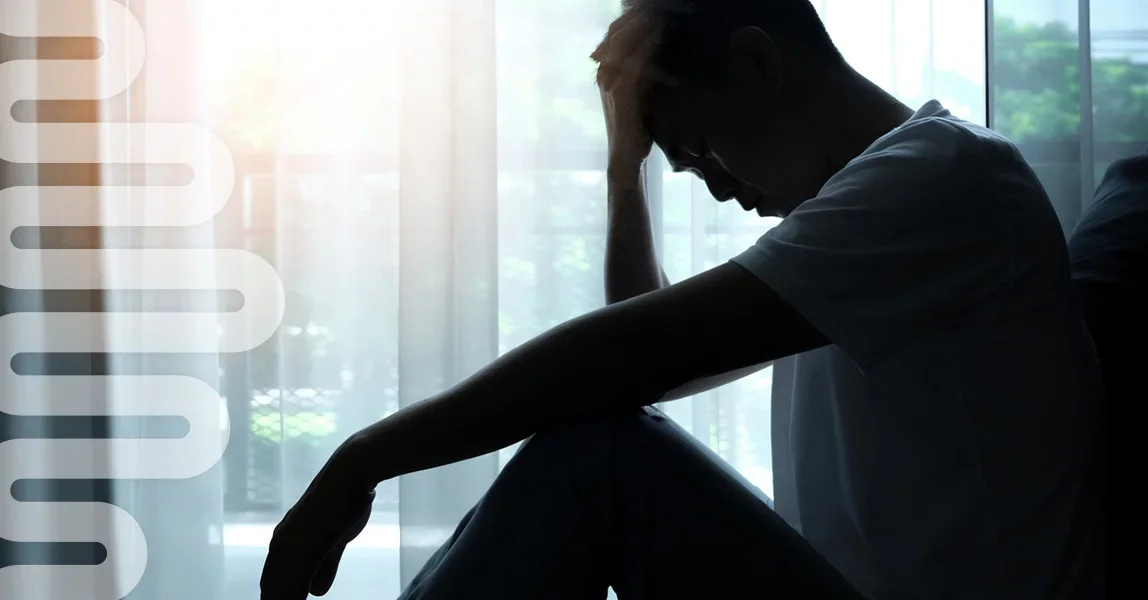
In today's fast-paced world, many of us kick off our day with the sound of our smartphone alarms, immediately plunging into a whirlwind of notifications. Whether it's emails, messages on WhatsApp, or social media alerts, the barrage of digital communication can be overwhelming. Add to this the daily responsibilities of maintaining relationships, preparing meals, commuting through traffic, and fulfilling work or school obligations, and it’s no wonder we feel the pressure mounting.
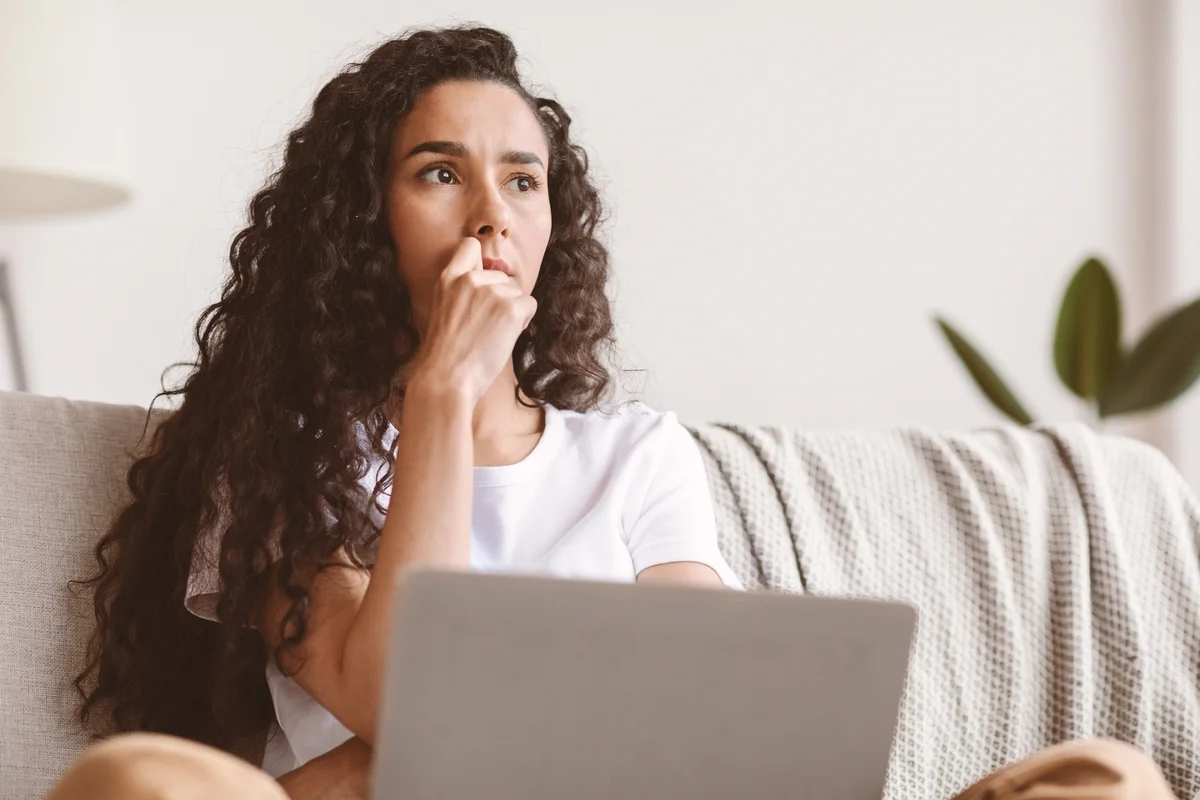
And then we wonder what’s happening to us. Why are our hands sweaty? Why do we feel a tightness in our chest? Why do we experience stomach pains, difficulty breathing, or insomnia? These physical responses are very real and stem from our attempts to manage the chaos of modern life, all of which can be summed up in one word: anxiety.
Anxiety is a universal emotional disorder that affects millions of individuals daily, regardless of their social status, economic background, or cultural upbringing.
"Where water is deepest, it is calmest." — William Shakespeare
Understanding Anxiety
Anxiety is a natural response of our nervous system to situations perceived as threatening or dangerous. In this context, anxiety can be seen as a positive force, meant to help us navigate challenges. So, why does it often lead to suffering?
Anxiety acts as an alarm signal, indicating that something within us needs attention. The more we resist or fight against it, the stronger its response becomes. Initially, it may present itself as a soft whisper, escalating to a dialogue, and eventually turning into a loud scream if left unaddressed. Thus, learning to listen to our anxiety is crucial.
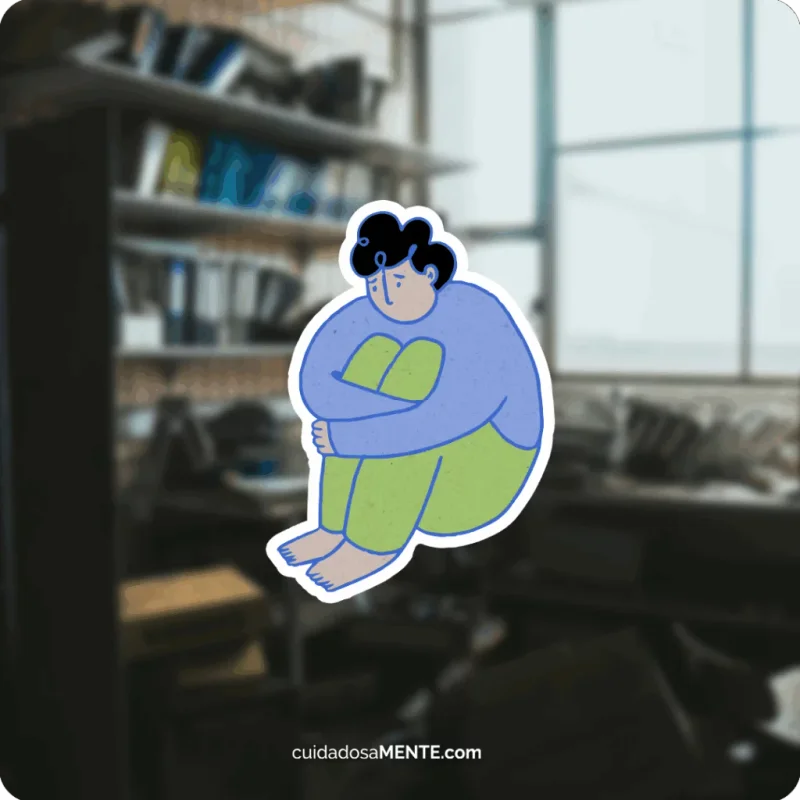
Three Relaxation Techniques to Alleviate Anxiety
Before diving into any relaxation technique, it’s essential to allow anxiety to manifest, to not resist it, and to understand its origins. Acknowledging our physical and psychological symptoms can help reduce their intensity, making it easier for any relaxation method to be effective.
Breathing Exercises
Although it may seem simplistic, breathing is one of the most accessible relaxation techniques. It involves taking deep, slow breaths, allowing the air to fill our lungs, holding it for a few seconds, and then exhaling completely.
Meditation
Meditation doesn’t require sitting in a lotus position surrounded by candles or soothing music. Taking a moment to close our eyes, focus on our breath, and ground ourselves in the present can yield significant benefits. Meditation is a state of passive self-observation.
Physical Activity
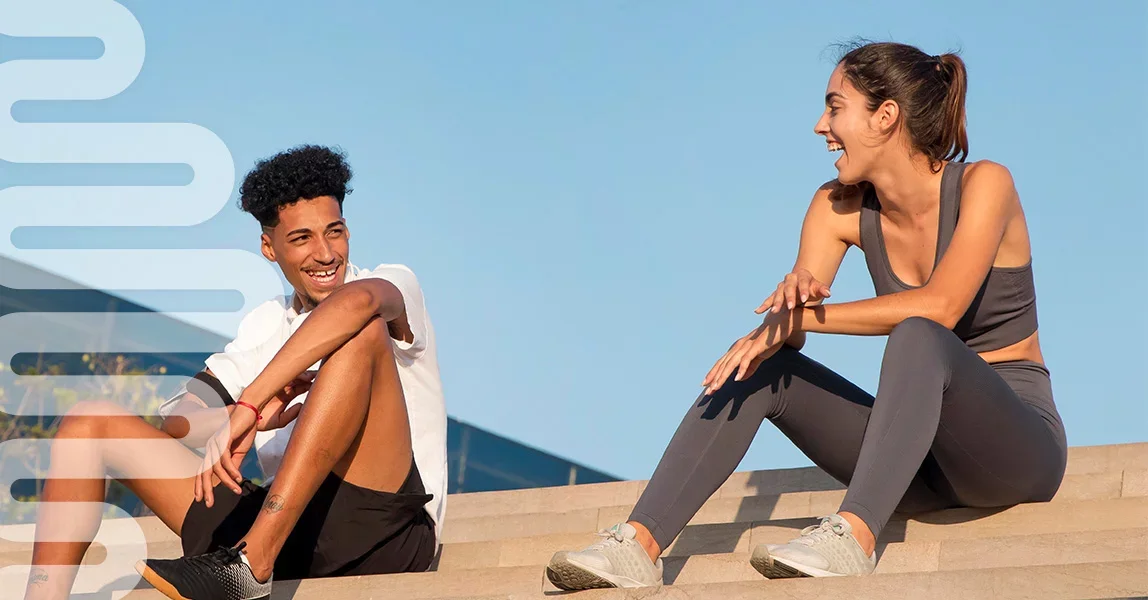
Exercise is another straightforward technique available to everyone. Activities like running, cycling, swimming, or going to the gym can be beneficial. However, when dealing with anxiety, it’s advisable to avoid competitive sports or high-performance events that necessitate strict diets or drastic lifestyle changes.
It’s important to note that exercise doesn’t have to be intense. Sometimes, a simple walk in nature can lead to noticeable improvements.
Extra Recommendation
Hugs are a wonderful technique for reducing anxiety and they feel great! Research indicates that hugging triggers the release of oxytocin, often referred to as the love hormone, which fosters emotional well-being and alleviates anxiety. You don’t need a romantic partner to experience this benefit; a hug from a friend, family member, or even a pet can be just as effective.
In Conclusion...
The key takeaway is that true peace comes from within; it’s not something to be sought externally. Material possessions, personal achievements, titles, or social status can create a false sense of security in the face of anxiety:
"When I have this amount of money, when I have this job, when I have a partner, when I own a home… I will be more at peace." Ironically, these pursuits can sometimes exacerbate anxiety instead of alleviating it.
While this article highlights several techniques for reducing anxiety, it’s crucial to understand its root causes and what it signifies. Anxiety often stems from fears or traumatic experiences from childhood, making it important to explore these origins for healing. Seeking therapeutic support is highly recommended.
At CuidadosaMENTE, we have a team of certified psychologists with extensive experience in helping individuals cope with anxiety. If you find that symptoms persist despite practicing relaxation techniques, don’t hesitate to start a therapeutic journey with us.
Peace is the new wealth.
Psychologist Bernardo Polidura
Clinical psychologist at CuidadosaMENTE