Advantages of Online Therapy
Online therapy has become an increasingly popular option for mental health care. Imagine talking to a psychologist without leaving home, regardless of your location.
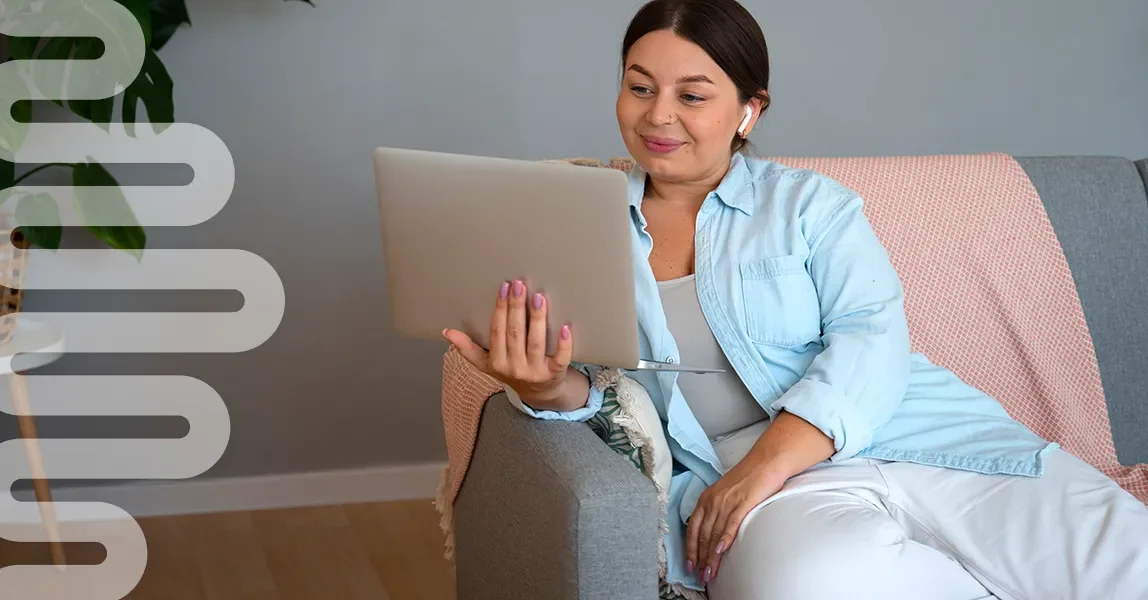
Online therapy (also known as online therapy or virtual therapy) has become an increasingly popular option for taking care of our mental health. Imagine being able to talk to a psychologist without leaving home, regardless of whether you live in Mexico City, a rural area, or even another country in Latin America.
Thanks to technology, there are online therapy platforms that connect you with specialists from anywhere. In this article, we will discuss the main advantages of online therapy, answer frequently asked questions in a friendly manner based on real experiences, so you can discover how this modality can improve your emotional well-being.
What is online therapy and how does it work?
Online therapy consists of receiving professional psychological support via the Internet, usually through video calls, although it can also be via phone or chat.
Essentially, it works the same as in-person therapy. Sessions have a similar duration, work with clear objectives, and maintain the same ethical and professional commitment. The difference is that the conversation occurs remotely, through secure platforms like Zoom, Google Meet, or specialized mental health applications.
This modality maintains the same confidentiality and professionalism as an in-office consultation, with the advantage of being able to conduct it from your own space. Far from being an improvised practice, online therapy is a modality backed internationally. During the pandemic, for example, 70% of countries incorporated teletherapy to continue mental health care, solidifying its long-term use.
This shows us that online therapy is not an experimental practice, but rather a widespread and globally endorsed practice.
Is online therapy effective?
A common question is whether "taking therapy via video call" really works. The answer is clear: yes, it is effective.
Various studies have shown that online therapy offers the same results as in-person therapy for treating mental health issues such as anxiety, depression, stress, and emotional difficulties in general.
People achieve significant progress, develop emotional tools, and reach their therapeutic goals similarly to those attending an office.
Moreover, many professionals have observed an additional benefit: being in a familiar environment, some people feel more comfortable expressing themselves, which can foster greater emotional openness from the very first sessions.
In summary, online therapy is reliable and effective for your mental health, but it depends on working with the right specialist and the consistency and commitment of the person undergoing therapy.
What are the advantages of online therapy?
Let's get to the main topic: what concrete benefits does online therapy offer compared to traditional therapy? Below, we outline the main advantages, based on real experiences and expert opinions, that make this modality a very attractive option for taking care of your mental health:
Accessibility from anywhere
Its greatest advantage is that you can access your sessions from wherever you are. It doesn't matter if you are in a big city like Monterrey or in a remote village: as long as you have an Internet connection, psychological help is just a click away.
This is ideal if you live far from urban centers, in another country, or if you frequently move for work/studies. For example, people who previously did not have access to this service can now receive professional support without having to travel.
It is also especially useful for those with reduced mobility, health conditions that make it difficult to leave home, or inflexible schedules. In short, online therapy eliminates geographical barriers: it connects you with your therapist no matter where you are, providing continuity and support regardless of location.
Flexibility of schedules and greater convenience
Another important advantage is flexibility. With online therapy, you can schedule appointments at times that best fit your routine, even beyond traditional working hours.
Do you have a free slot during your lunch hour, very early in the morning, or after work? You will likely find a therapist available at that time. Without the need for travel, it is easier to fit the session into your routine without neglecting other responsibilities.
This versatility reduces the stress associated with "getting to the appointment on time"—goodbye to the rush because of traffic in Mexico City, for example. Even if you are going through a crisis or need immediate attention, it is often easier to coordinate an online session than to wait for in-person availability. Ultimately, online therapy makes it easier for psychological help to be a part of your life in the most comfortable way possible.
Comfort and privacy in your own space
Imagine having your therapy session sitting in your favorite chair, with a cup of tea and perhaps your pet resting nearby. Being in a familiar environment often generates a greater sense of security, which fosters emotional openness and trust. Many people express that talking from their own space feels less intimidating than doing so in an office, especially at the beginning of the therapeutic process.
This happens because you feel protected; you can even be in your pajamas and surrounded by your comforts, which reduces the tension and anxiety of the interaction. Additionally, online therapy offers an extra level of privacy. You won’t have to sit in a waiting room or worry about awkward encounters with acquaintances.
This modality also reduces health concerns and allows you to focus fully on your process, without external distractions. This fosters an atmosphere of trust and closeness with your therapist.
Greater variety of specialists and approaches
By opting for online therapy, you are not limited to professionals in your area: you have access to many more psychologists and specialists from different places. This means you can look for a therapist who best fits your needs in terms of specialty, therapeutic approach, or even language.
For example, if you need specific help managing anxiety, depression, stress, relationship issues, or any other topic, you can find therapists specialized in that area even if they don’t live in your city. It also gives you the freedom to choose someone you really connect with; if in the first session you feel there is no patient-therapist connection, it is easier to try another professional until you find the right one for you.
This wide range of possibilities empowers you as a patient, as you can make informed decisions about who accompanies you in your process. In the end, you have online psychologists with different specialties (cognitive-behavioral therapy, psychoanalysis, systemic therapy, etc.), which increases the likelihood of meeting your needs.
Continuity of treatment without interruptions
Life is full of changes: you might move to a new city, travel for extended periods, or face situations that make attending in-person consultations difficult, but with online therapy you won’t have to interrupt your therapeutic process. This modality allows you to maintain your sessions regularly, no matter what happens. If you change jobs and your new schedule is different, you will likely be able to schedule your online sessions at a viable time without losing momentum.
If you go on vacation for several weeks, you can continue talking to your psychologist from your destination, which means zero setbacks in the progress you have made. Continuity is key in therapy: when you manage to maintain the bond with your therapist and the frequency of sessions, progress tends to be more solid.
With online therapy, external circumstances have less impact; even in unforeseen situations, you can have your session without problems. This translates to receiving lasting and reliable support, which is essential for overcoming emotional obstacles and achieving your personal goals.
Savings in time and money

Taking therapy online also represents savings in very tangible resources: time and money. Think about everything that attending a consultation physically entails: travel, expenses for public transport, gasoline or parking, perhaps taking half a day off work, etc.
By doing your sessions from home, you save travel time and can invest those hours in resting, working, or spending time with your family. This benefit also reduces stress (there's no rush or dealing with traffic before discussing emotional topics).
Economically, the rates for online therapy can be similar or even more accessible than in-person sessions, as many therapists reduce operational costs (without office rent, for example).
In Mexico, how much does an online psychologist charge? It depends on their experience and the platform, but a session ranges from $500 to $800 MXN. Some platforms offer discounted packages for multiple sessions, which benefits your wallet in the long run.
Beyond the cost, it is important to consider therapy as an investment in your well-being. The online modality makes it easier to sustain the process without it becoming a burden on your schedule or finances.
In summary, online therapy offers convenience, accessibility, and effective results for your mental health.
Many patients in Latin America have already experienced these advantages firsthand. If you are looking for emotional support, trying online therapy can be a great first step.
Frequently Asked Questions about Online Therapy
Is online therapy as effective as in-person therapy?
Yes. Scientific evidence shows that online therapy has comparable effectiveness to in-person therapy. Patients manage to acquire tools that help them manage mental health issues like anxiety, depression, and other disorders very similarly to those who attend the office. The important thing is to have a good relationship with your therapist and commitment to the sessions. In both formats, progress can be made, but the online modality adds the advantage of convenience. In summary, online therapy does work: it offers the same professional support and results as traditional therapy, as long as you work with the right psychologist.
How much does an online psychologist charge?
**The cost of an online therapy session can vary depending on the country, the therapist's experience, and the platform you use. In Mexico, for example, an online psychologist charges approximately between $500 and $800 pesos per session, which usually lasts about an hour.
Some platforms (like CuidadosaMENTE) manage an average price. For example, around $780 MXN per individual session and offer packages that reduce the cost per session.
It is always advisable to confirm the rates directly with the professional or service and consider that investing in your mental health is worthwhile.
Additionally, by taking online therapy, you save on travel, which somewhat balances the expense.
How long does an online therapy session last?
**The duration of online sessions is very similar to in-person ones. Generally, a session lasts between 45 and 60 minutes, with 50 minutes being a common standard. This time allows the psychologist and the patient to delve into the necessary topics without being an excessively tiring process.