
10 Techniques to Manage Moments of Crisis
Everyone faces challenges that can disrupt their routine and lead to moments of crisis. Here are 10 techniques to help manage these situations effectively.

At some point in our lives, we all encounter minor setbacks: challenging situations that disrupt our routine and can unexpectedly unsettle us, often requiring some assistance.
These challenges can escalate into crises, leading us from stress to questioning our lives, and in more severe cases, even triggering panic attacks.
What should you do when faced with such a situation? This article presents 10 techniques to help you navigate through moments of crisis.
What Do We Consider a Crisis?
It’s crucial to define and identify what situations we might deem a crisis. While extreme scenarios like war or assault come to mind, it's essential to recognize that the concept of a crisis varies for each individual.
For a teenager, a crisis might look very different than it does for an adult, and it can also differ between genders.
A crisis is any situation that destabilizes us in any area of our lives: losing a job, ending a relationship, having a disagreement with a friend, plans that didn’t pan out, or experiencing an accident.
We all face crises at some point, but what truly defines their impact is how we perceive and manage them.
Here are 10 techniques that can be beneficial during a crisis:
1. Control Your Breathing
This may sound cliché, as many people often remind us to “breathe” in tough situations. However, scientific research shows that breathing plays a significant role in our nervous system.
In stressful moments, we tend to hyperventilate, breathing rapidly and erratically, which can lead to unpleasant sensations like palpitations, dizziness, tingling, and feelings of suffocation. Instead, deep breathing can significantly reduce the anxiety that a crisis might trigger.
The proper way to do this is through the 4-7-8 relaxation breathing technique, which involves inhaling deeply for 4 seconds through your nose, holding for 7 seconds, and exhaling for 8 seconds through your mouth.
Remember, the inhalation should be deep but not excessive, as taking in too much air can make you feel dizzy. Deep breathing is beneficial for calming the nervous system and alleviating stress.
2. Progressive Muscle Relaxation
During challenging times, emotional tension often manifests physically, leading to discomfort such as back, neck, and head pain. To counter this, you can utilize the progressive muscle relaxation technique, which is quite straightforward:
Inhale while tensing a muscle group, then exhale while relaxing those muscles, starting from the bottom and moving upward. Begin by tensing the muscles in your feet while inhaling, then relax them as you exhale, continuing with your calves and so forth.
Staying relaxed during difficult times is crucial, and physical relaxation can foster a sense of well-being that promotes mental relaxation.
3. Meditation
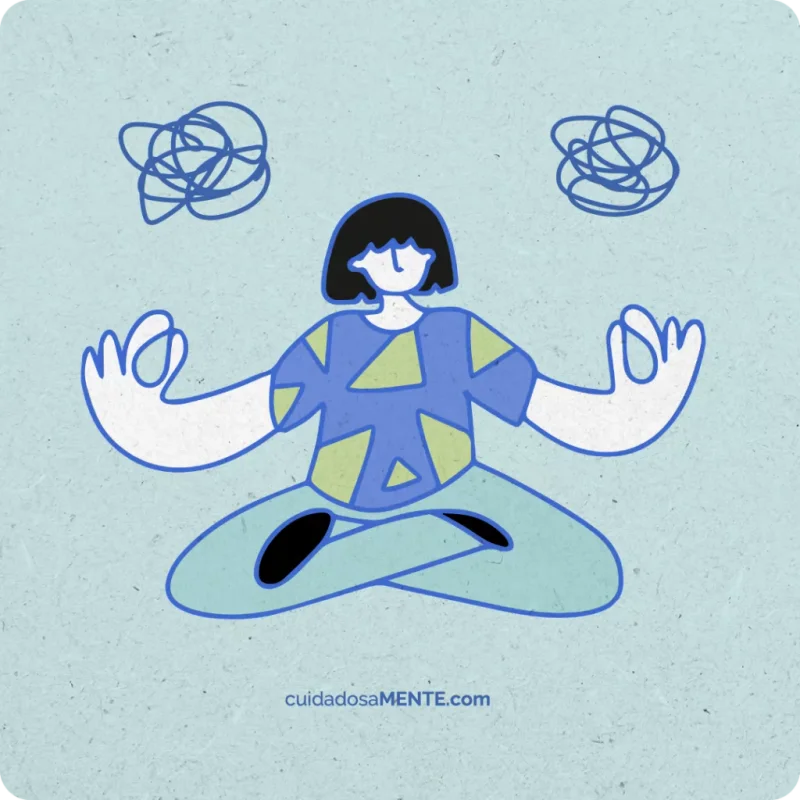
Regular meditation practice can be incredibly helpful in calming the mind and reducing stress. It may seem odd to meditate during a crisis, as many still hold misconceptions about what meditation entails, often picturing someone sitting in a lotus position surrounded by incense and chanting mantras.
While that is one form of meditation, it is not the only one. A technique that has personally worked well for me is ‘Mindfulness.’
This involves focusing on the here and now, stepping out of your turbulent thoughts, and concentrating on the present: being aware of what you hear, smell, feel, and sense at that moment.
This practice can bring peace and mental clarity.
4. Acknowledge Your Emotions
Certain crisis moments in our lives necessitate recognizing and accepting our emotions to process and manage them effectively. You might be going through a tough time in a romantic relationship, facing a challenge with a coworker, or dealing with an illness—situations that can evoke uncomfortable feelings and emotions.
It’s vital to acknowledge and honestly admit these feelings. You might be experiencing jealousy, envy, resentment, or anger. While it can be painful to admit, bringing these emotions to light is beneficial as it helps us understand what is causing our discomfort, allowing us to manage it better.
5. Reframing
Have you heard of this term? Reframing essentially means changing your perspective on a situation to view it in a more positive and manageable light.
There is a significant truth in life: while we cannot control what happens around us, we can control how we perceive it. In other words, everything is as important as the importance we assign to it.
Many problems and situations in life are beyond our control, and in those instances, the only thing we can manage is our thoughts surrounding them.
6. Self-Compassion
It’s essential to clarify that this does not mean feeling sorry for yourself. Instead, practicing self-compassion and being kind to oneself can reduce the anxiety and stress that crises bring.
In times of crisis, it’s common to blame ourselves for what is happening, which, instead of helping us find a solution, leads to anger and frustration.
Often, it’s easier to be kind to others than to ourselves due to a deeply rooted belief that everyone else comes before us. Being kind to yourself does not equate to being selfish towards others. In fact, you cannot be kind to anyone else if you are not kind to yourself.
This approach helps achieve internal balance, allowing you to view any situation with a clearer perspective.
7. Engage in Physical Activity
As surprising as it may sound, it’s essential to stay active! In moments of crisis, the temptation is to give up, retreat, and hide away, but this is a significant error. Such reactions can exacerbate the situation.
You don’t need to engage in extreme physical activity; even a simple walk in the park can be highly beneficial. Physical activity releases endorphins and can improve your mood.
8. A Bit of Distraction
If you have hobbies or pastimes, now is not the time to abandon them. Engaging in activities you enjoy that add positivity to your life can uplift your mood and perception.
Reading a book, listening to music, playing an instrument, painting, or cooking can help divert your mind from the crisis.
9. Planning
During a crisis, it’s common to feel out of control and focus solely on the negative aspects. If there’s something we can do about it, creating a small action plan can be immensely helpful.
Writing it down or visualizing it can provide clarity and enable you to address things more effectively.
10. Connect with Others
Reaching out to friends and family can be incredibly helpful during a crisis, as their support can provide the relief and comfort you need. It’s common to feel the urge to isolate oneself during a crisis, especially if you feel misunderstood, blamed, or guilty. However, isolation can further harm our mental and emotional health.
Surrounding yourself with trusted friends, close family, or your partner, and seeking their support can be crucial in facing these tough moments.
A mental health professional can also assist you in managing your emotions and thoughts during a crisis. Don’t hesitate to seek help if you need it. At CuidadosaMENTE, we are here to support you.

Psic. Lucero del Ángel
Clinical Psychologist at CuidadosaMENTE