
Five Personality Traits of Those Who Sleep with Their Doors Closed
Discover how the habit of sleeping with a closed door can reveal five key personality traits, from a need for security to a commitment to self-care.
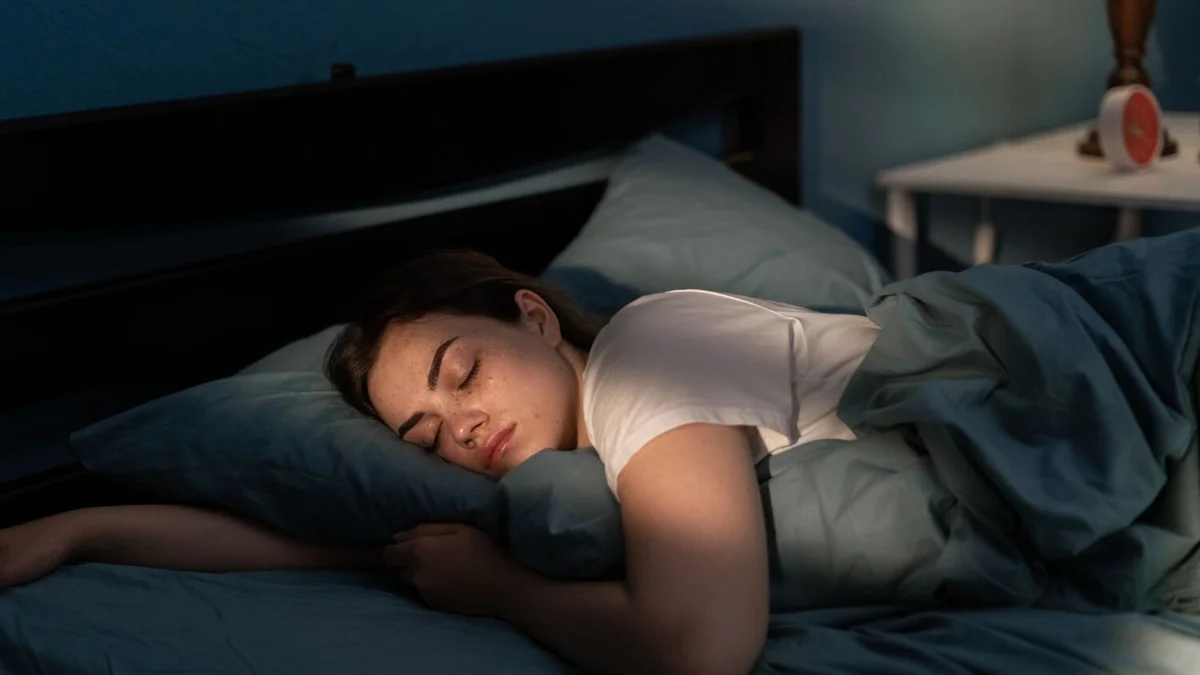
Many individuals who prefer to sleep with their doors closed may not realize that this habit can reveal significant insights about their personality. Research suggests that this simple action can be indicative of five key personality traits.
1. A Need for Security
One predominant trait among those who sleep with their doors closed is a strong need for security. This need encompasses both physical and mental safety. Renowned psychologist Abraham Maslow highlighted the importance of security in his hierarchy of needs, indicating that it is fundamental to human well-being. Closing the door can provide a sense of control and order, acting as a barrier against potential external disturbances.
In a world that often feels chaotic and unpredictable, the act of shutting the door can become a comforting ritual. After a hectic day, many find solace in establishing a clear boundary between the outside world and their personal space, allowing them to regain a sense of control amidst the noise of daily life.
2. A Desire for Solitude
Sleeping with the door closed also signals a desire for solitude and an appreciation for personal time. Who hasn’t relished the comfort of their own cozy retreat? For many, this practice represents a way to embrace solitude and reconnect with oneself.
This need often translates into a desire to minimize external stimuli—less conversation, fewer interruptions, and a break from the constant flow of social interaction. For some, these solitary moments are not about rejecting others but rather about recuperating mentally and emotionally after being in constant demand.
3. The Ability to Reconnect with Oneself
A closed-door environment fosters relaxation and introspection. Having a personal space where one can recharge ensures a peaceful disconnection from the outside world, allowing for a renewed appreciation of social interactions.
Many people utilize this quiet time for activities such as reading, meditating, or letting their thoughts wander before sleep. In an age filled with distractions and noise, having a serene space can feel like a luxury and, at times, a necessity for maintaining inner balance.
4. A Tendency Towards Introversion
The choice to sleep with the door closed may also reflect an introverted personality. Such individuals often prefer deep conversations over superficial chatter, enjoy solitude without suffering from it, and can feel drained after extensive social engagements.
For instance, after a lively evening or a day packed with meetings, introverts typically seek solitude to recharge. In this context, a closed door symbolizes a temporary retreat from the external chaos rather than a lack of interest in others.
5. A Commitment to Self-Care
Finally, this sleeping habit illustrates a person’s ability to prioritize self-care by creating a calming environment away from external worries. According to the National Institute of Mental Health, this practice can help reduce stress and enhance mental health. Many individuals go further by transforming their bedrooms into true sanctuaries, complete with soft lighting, comfortable bedding, soothing scents, and reassuring nighttime routines. This inclination toward self-care is not excessive; rather, it reflects a desire to protect one’s mental well-being in a hyper-stimulating world.
In conclusion, the habit of sleeping with the door closed is far from negative; it actually reveals much about one’s character. So, do you prefer an open door or a closed one?