
Understanding the Traits of Those Who Double-Check Their Locks
Millions check their doors each night, revealing specific personality traits. This behavior, often linked to anxiety, also indicates reliability and conscientiousness.
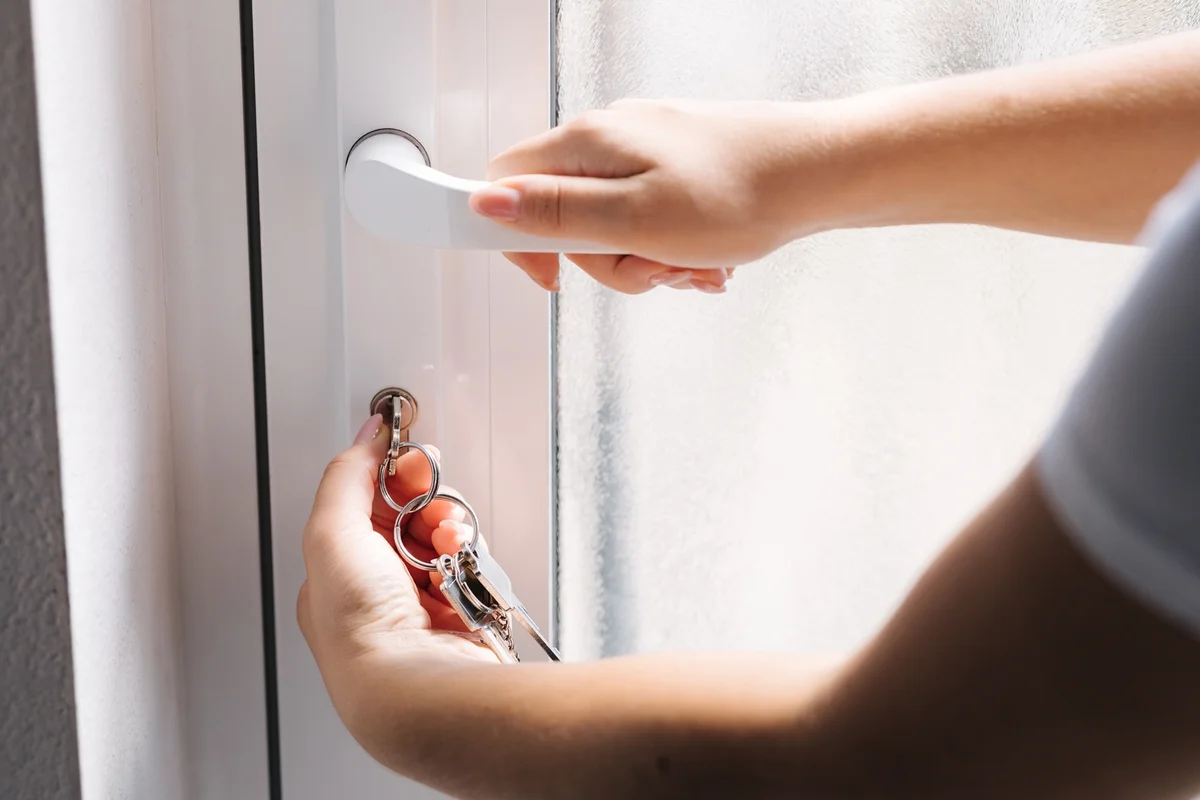
Many individuals find themselves returning to check their front door before bed, unable to trust their initial action. This common behavior reveals specific personality traits that are worth exploring.
As the clock strikes 11 PM, and you’re already in your pajamas, a nagging thought might strike: "Did I really lock the door?" This compulsion often leads people to head back downstairs, sometimes even twice, to confirm the lock is secure, listening for that reassuring click and tugging on the handle for good measure. While this behavior has long been perceived as a sign of paranoia or obsessive tendencies, psychology sheds light on its deeper implications. Research indicates that those who consistently double-check their locks often exhibit traits that make them surprisingly reliable, conscientious, and trustworthy.
Insights into Personality Traits
The phenomenon of checking behaviors stems from a need to repeatedly ensure that a simple task has been completed. This urge to verify can be linked to a tendency towards anxiety. While this anxiety can enhance one’s ability to anticipate unforeseen events, it can also significantly impact daily life and overall well-being.
Psychologists have identified a responsibility bias, which manifests as the belief that if something goes awry, it is one's fault. This mindset, when combined with a high intolerance for uncertainty, fuels the repeated trips to the door.
Research published in Behaviour Research and Therapy reveals that individuals who frequently check their locks tend to score higher in empathy and concern for others’ well-being. They often display elevated levels of conscientiousness, a personality trait closely linked to reliability within the Big Five personality model. Conscientiousness encompasses qualities such as organization, responsibility, planning, and attention to detail.
Those who are highly conscientious tend to anticipate needs and take their responsibilities seriously, demonstrating a keen awareness of how their actions affect others. Thus, ensuring the door is locked can be a direct reflection of this personality trait.
Managing Anxious Behaviors
For many, the act of checking the door becomes a nightly ritual that signifies the end of the day. This is often referred to as a need for sensory proof: hearing the click, feeling the stillness of the handle, and sometimes mentally affirming, "I am locking the door now." This action can be made more soothing by focusing on it once, with intention: observing the lock, turning the key, breathing deeply, and mentally noting the moment.
Implementing concrete systems, such as placing a reminder near the door, using checklists, or task management apps, can help transfer some of the mental control outward.
However, the line between healthy checking and obsessive-compulsive disorder (OCD) can blur when the behavior consumes excessive time, causes significant distress, or persists against one’s will. If you find yourself spending long minutes each night checking the door, gas, or windows, disrupting your sleep or social life, seeking help from a psychologist or psychiatrist in France may be beneficial. The goal is not to strip away the traits that make you reliable but to find a balance where these anxiety-related traits remain strengths rather than sources of suffering.