
How to Overcome Emotional Wounds Related to Love
Explore effective strategies to overcome emotional wounds related to love. This article guides you through the healing process, offering practical advice and resources to regain confidence and serenity. Transform your pain into strength and learn to build healthy relationships.

Have you ever felt weighed down by the memories of a past relationship? Do feelings of rejection or abandonment linger like scars that refuse to heal? Emotional wounds tied to love can often feel overwhelming, but there are paths to freedom and recovery. Imagine transforming your pain into strength, reconnecting with a lost self-esteem, and building healthy, fulfilling relationships. What strategies can you adopt to rise anew after these trials? In this exploration, we offer insights into understanding and overcoming your emotional wounds while illuminating your path toward a fulfilling love life.
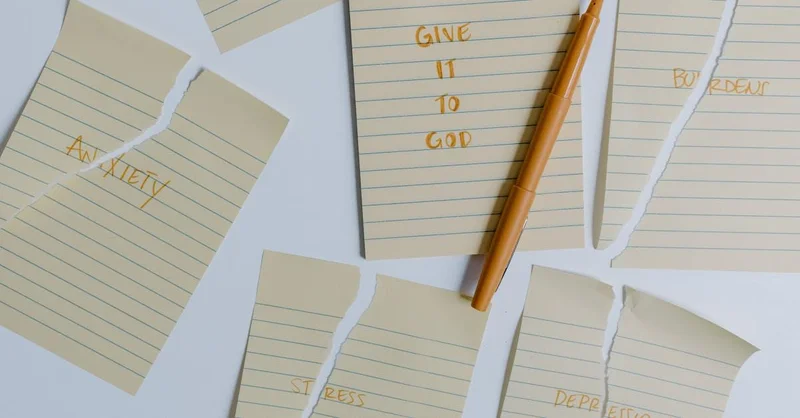
Emotional wounds linked to love are common and can have lasting effects on our romantic lives. Whether stemming from traumas due to breakups, abandonment, or even toxic relationships, these scars can hinder our ability to experience the joy of loving again. However, there are various ways to overcome these challenges and regain confidence in oneself and others.
Acknowledge Your Emotional Wounds
The first step in overcoming emotional wounds is to acknowledge them. This requires introspection and an awareness of how these events have impacted your life. Signs that may indicate an emotional wound include:
- Feelings of rejection: Can lead to social anxiety and depression.
- Fears of abandonment: Hinder the ability to form healthy relationships.
- Repetitive behaviors: Difficulty in committing or trusting others.
- Negative thoughts: Affect self-esteem and overall happiness.
Recognizing these wounds is crucial, and it’s important to remember that these emotions are valid and deserve to be addressed.
Accept Your Wounds
Accepting your emotional wounds is an act of courage and wisdom. It doesn’t mean living in the past, but rather acknowledging what has occurred as part of your story. Acceptance can involve:
- Journaling: Keeping a journal to express emotions.
- Meditation: Helping to calm the mind and release negative thoughts.
- Stepping back: Observing oneself as an outsider to better understand reactions.
Engage in Appropriate Therapies
For many, therapy serves as a key pathway to healing emotional wounds. Cognitive-behavioral therapy, for instance, aims to modify negative thought patterns that hinder recovery. Finding a professional who understands your emotional needs is essential.
Transform Your Suffering into Strength
Learning to convert suffering into strength is a process of personal growth. Identifying lessons learned from experiences not only facilitates learning but also allows you to:
- Improve relationships with others.
- Develop resilience against life’s challenges.
- Recognize personal limits and learn to say no.
Seek Emotional Support
It's vital to reach out for help from those around you. Whether it’s a friend, family member, or even a support group, sharing feelings can lighten the burden of emotional wounds and provide fresh perspectives.
Practice Relaxation Techniques
Engaging in relaxation techniques, such as yoga or meditation, can greatly benefit emotional well-being. These activities promote self-connection and help release built-up tension over time.
Restore Healthy Relationships
Working on oneself allows for the restoration of healthy relationships. This involves:
- Recognizing your emotional needs.
- Expressing your feelings honestly.
- Taking your time to form connections without rushing.
Dare to Love Again
It’s crucial to remember that love should not equal pain. Daring to love again, even when it seems daunting, is an integral part of healing. Here are some tips for taking that risk:
- Set realistic expectations in a new relationship.
- Make decisions based on the present, without projecting past hurts.
- Be prepared to face the vulnerability that comes with love.
Celebrate Your Achievements
Finally, it’s important to celebrate even the smallest achievements along this journey. Whether it’s a moment of joy, a step forward, or a new approach to an old situation, know that every progress counts.
Listen to your body and mind to know when it’s time to pause or refocus on yourself. Healing is a non-linear process, and every step matters.
Live in the Present Moment
Mindfulness is a practice that allows one to focus on the present without judgment. This helps liberate from past sufferings. Trying mindfulness exercises, such as listening to calming music or taking a walk in nature, can bring a sense of peace and well-being.
Be Guided by Inspirational Readings
There are numerous books that address emotional wounds and offer techniques for overcoming them. Reading testimonials or practical advice can provide comfort and valuable tools for moving forward.
Learn to view your wounds as opportunities for growth and evolution. In this journey toward healing, patience and self-kindness are invaluable allies.
Evaluate Your Progress
Regularly assessing your progress is a significant step in measuring the impact of the practices you implement. Keeping a journal to reflect on your emotions, reactions, and the changes you observe over time can help you recognize your evolution and understand what works for you.
Join Support Groups
Participating in a support group can facilitate emotional expression and foster a sense of connection. Being surrounded by individuals who share similar experiences helps to understand that you are not alone in your quest for healing.
Take Care of Yourself
Self-care is essential for overcoming emotional wounds. This involves adopting habits that enhance your well-being. Such habits may include:
- A balanced diet that nourishes both body and mind.
- Restorative sleep to promote emotional recovery.
- Regular physical activity to release endorphins.
Avoid Harmful Behaviors
It’s crucial to identify behaviors that might exacerbate your emotional wounds. Avoiding emotional dependency or relationships that do not promise healthy love is vital. This also means distancing yourself from those who do not respect you.
Confront Your Fears
Fear is a powerful barrier in the process of emotional healing. Learning to face and manage fears allows you to break the cycle of suffering. Whether it’s the fear of commitment or the fear of being hurt again, addressing these fears is essential for moving toward a fulfilling love life.
Seek Mental Health Professionals
If the pain becomes unbearable, don’t hesitate to consult a mental health professional. A therapist can offer solutions tailored to your situation and provide support during this delicate period.
Allow Yourself to Love Freely
Aim to build relationships based on trust and honesty. While this takes time, it is possible to learn to love and be loved without fearing the pain of past experiences. Love can indeed conquer all, provided you leave your wounds behind.
Take Time for Yourself
It is essential to set aside time for yourself, engaging in activities that bring joy and relaxation. Whether through a hobby, a moment of meditation, or simply diving into a good book, this can help restore inner harmony.
Celebrate Small Victories
Lastly, don’t forget to congratulate yourself for every small victory you achieve on your healing journey. These successes, no matter how modest, are significant steps toward a fulfilling life. This journey may be long and sometimes challenging, but every effort counts, and each step forward, no matter how small, deserves to be celebrated.
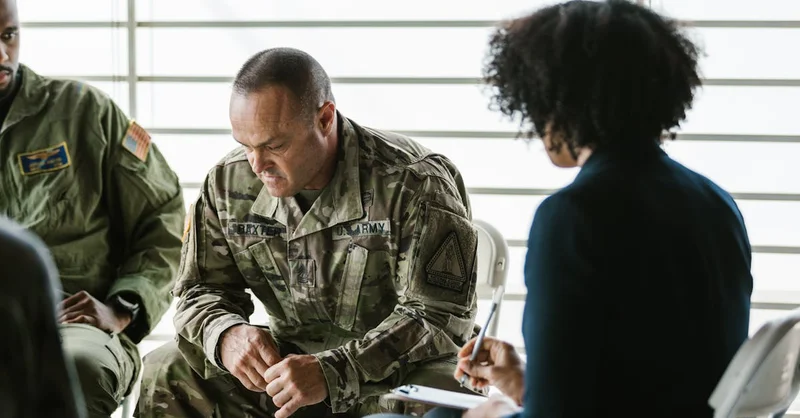
1. What are the main emotional wounds related to love?
Common emotional wounds include rejection, abandonment, betrayal, humiliation, and injustice. These wounds can significantly affect how we love and engage. Imagine having a heart made of lace: beautiful at first glance, but with every tough blow, it loses a thread here and there!
2. How can I recognize an emotional wound?
Signs of an emotional wound may include persistent feelings of sadness, anger, or anxiety, irrational fears, or disproportionate reactions to relational situations. If you feel like a castaway every time love is mentioned, it’s time to explore those emotions!
3. Are there tools to heal these wounds?
Yes, there are several strategies for healing your emotional wounds. Consider pursuing therapy, keeping a journal to express your feelings, or even practicing meditation and yoga. Sometimes, a lotus position can do more good than a good old chocolate!
4. Why is it important to confront emotional wounds?
Untreated wounds can lead to destructive behaviors and alter our relationships. By confronting them, you can regain power over your life and create healthier connections. Think of it like an old, worn sweater: it’s better to repair it before it becomes a permanent part of your closet’s history!
5. What practical advice can I follow to move forward?
Start by accepting your wounds, then prioritize communication with trusted individuals. Also, avoid isolating yourself. Who knows, maybe your friend will share a love story just as messy as yours, and that could bring some laughter!
6. Is it possible to love again after disappointment?
Absolutely! Love is a bit like an old puppy; it always finds its way back. By healing your wounds, you can open your heart once more. Remember: each new relationship is an opportunity to rewrite your own love story.
7. How can I manage the fear of commitment after a wound?
Recognizing and addressing your fears is crucial. Engaging in honest conversations about your feelings and expectations can help you navigate this complex terrain. The journey may be challenging, but the rewards of love are worth the effort.