
How to Stop Overthinking
Have you ever found yourself fixated on a thought that just won’t leave your mind? This article explores the phenomenon of overthinking, its causes, and effective strategies to regain mental tranquility.

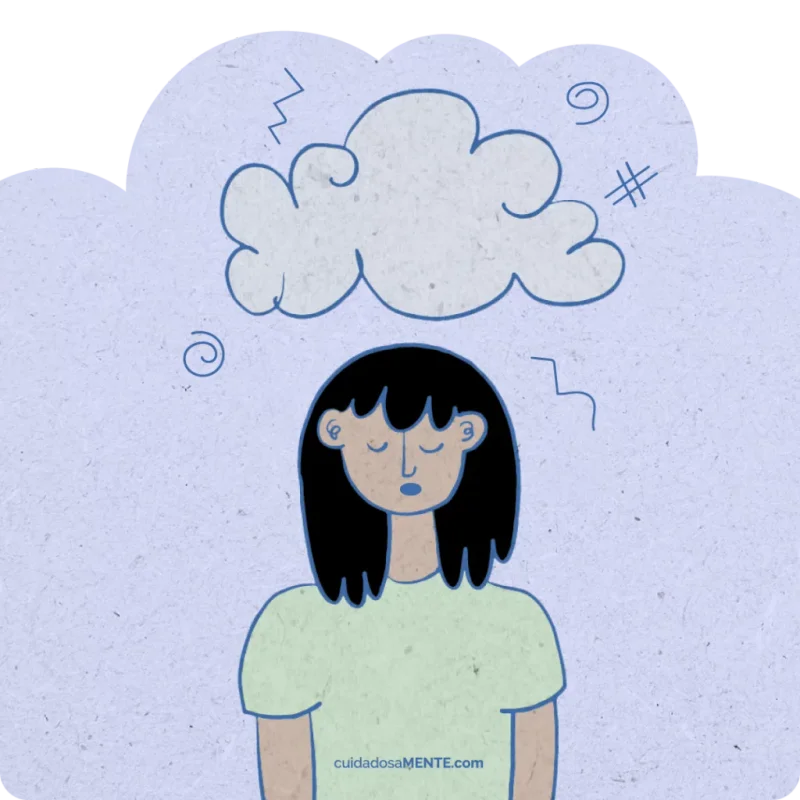
Have you ever found yourself fixated on a thought that just won’t leave your mind? Perhaps it stemmed from a conversation you had, a decision you made, or an upcoming situation that hasn’t even occurred yet. This fixation can spiral into a full-blown mental movie, complete with imaginary dialogues, pointless worries, and even catastrophic endings. Before you know it, you’re ensnared in a seemingly endless cycle of thoughts. This phenomenon is known as overthinking.
Overthinking is not the same as reflecting or planning; it’s the act of ruminating on something without resolving it or making progress. This mental loop fuels anxiety and leaves us feeling confused, paralyzed, and disconnected from the present moment. Fortunately, there are ways to interrupt this mental chatter. In this article, I’ll share some tools to help you stop overthinking and regain your mental tranquility.
Why Do We Overthink?
Our minds often drift to the past, reliving situations that cannot be changed, or to the future, anticipating scenarios that may never happen or worrying about what could go wrong. This tendency is especially pronounced during times of uncertainty—when we feel a lack of control or face situations that provoke anxiety or fear, such as the fear of making mistakes, failing, or experiencing pain or rejection.
In reality, not everything is within our control, and the only moment we truly have is the present. Although it may feel like we are solving a problem, overthinking actually leads us to stagnation. This creates tension in our bodies and heightens stress, which can adversely affect our overall health, leading to:
- Mental exhaustion
- Difficulty making decisions
- Increased worry and/or guilt
- Conflicts in relationships
- Disconnection from the present
- Anxiety
- Insomnia
How to Stop Overthinking
Stopping overthinking isn’t just about “shutting down the mind”; it’s about learning to think in a constructive and productive manner. Here are some strategies based on insights from various emotional wellness and mental health specialists:
1. Recognize When You’re Overthinking
Acknowledge that thoughts are normal and that we all experience them. Examine whether what you’re thinking has a solution, depends on you, and if it’s beneficial to keep pondering it. If you can’t do anything about it, you’re likely overthinking.
2. List and Question Your Thoughts
Create a list of your worries and categorize them into what you can control and what you cannot. Ask yourself: What evidence do I have that this will happen? Am I exaggerating, generalizing, or dramatizing? Learn to let go of what’s beyond your control to focus on what you can address.
3. Set Aside Worry Time
Allocate a specific time each day to consciously think about your worries. You might write them down, discuss them with someone, or reflect on them in search of solutions (Rocha, 2024). If they arise outside of this designated time, remind yourself that you have a set period to deal with them. This can help calm your mind.
4. Focus Your Mind
Engage in activities that keep you grounded in the present. Direct your energy towards tasks you can accomplish, such as cooking, dancing, singing, listening to a podcast, reading a book, or going for a walk.
5. Move Your Body
Physical movement helps clear the mind. Exercising, walking, stretching, dancing, or even doing household chores can help break the cycle of excessive thinking.
6. Set Boundaries
As suggested by R. Rocha (2024), avoid situations that induce stress: limit your social media consumption and distance yourself, when necessary, from people who trigger negative thoughts. Protect your emotional well-being and give yourself permission to take a break.
7. Practice Mindfulness
Mindfulness involves focusing on the present moment without judgment. It can help reduce rumination and reconnect you with the here and now. Start with breathing exercises or guided meditation.
8. Trust Yourself
Have faith in your ability to handle whatever comes your way. Even if you don’t have all the answers, allow things to unfold without scripting them in your mind. Accept that not everything can be controlled, yet you can still trust yourself to know what to do when the time comes.
Stopping overthinking begins with self-awareness. It’s crucial to identify what triggers your worries, the emotions that arise, and how to channel that mental energy into concrete actions. Thinking is natural and beneficial, but overthinking distances us from the present, drains our energy, and detracts from our well-being.
“Thinking is fine. Overthinking disconnects us from the present and our well-being, draining us. Returning to the present, to what you can do, is the first step to regaining calm.” R. López (2023)
To break this cycle, choose a small action or something simple you can do today. The key is to move, act, and not remain ensnared in your thoughts.
With practice and patience, you can train your mind to focus on what truly matters.
Remember: you deserve to live in peace, and you have the power to change your internal dialogue.

Psychologist Ethel Ceja
Thank you for shedding light on these incredibly relevant topics; I always feel so connected to everything. Thank you for so much.
Thank you for your words 🙌 reading this motivates us to keep sharing. We will continue working to highlight these important issues.
I really loved it!!! Thank you.
We’re glad you liked it 🙂