
The Surprising Reasons Behind Blocking and Unblocking in Relationships
Modern relationships, especially on dating platforms, often involve intriguing behaviors like blocking and unblocking. This article explores the reasons behind these actions, including miscommunication, emotional responses, and the quest for attention.
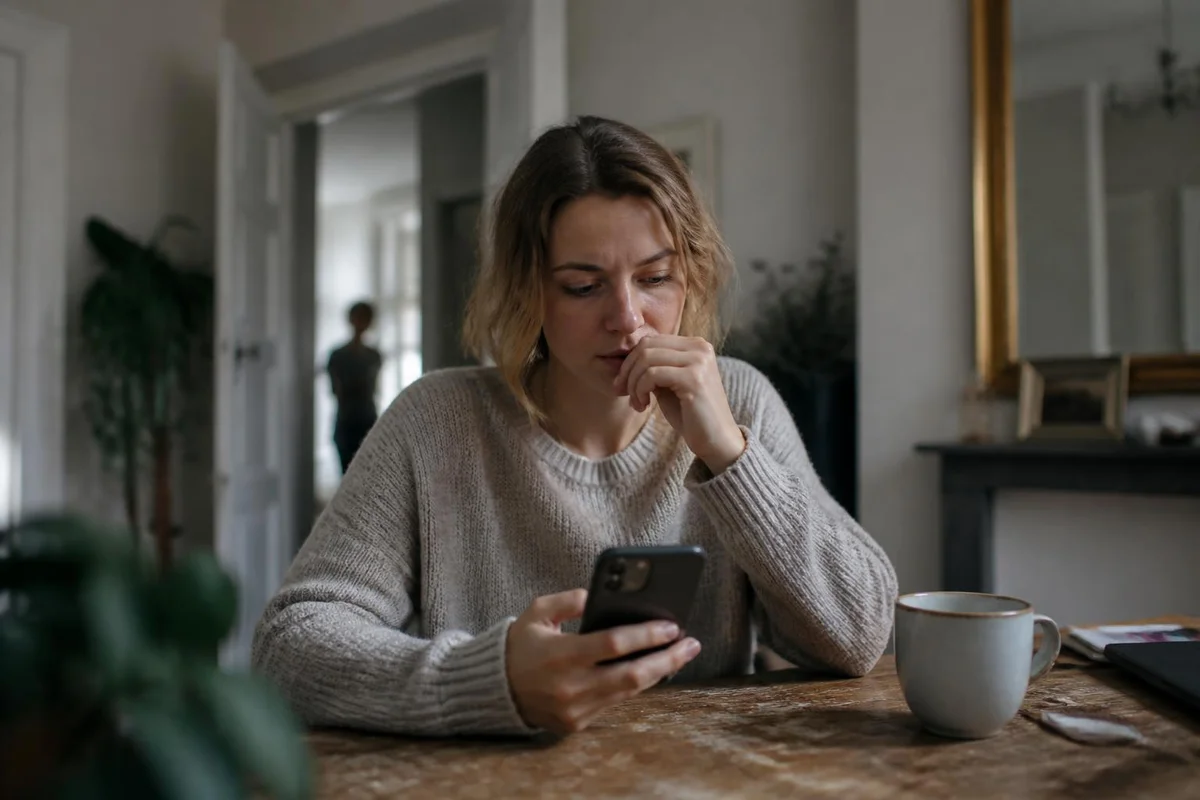
Modern relationships, particularly within the realm of dating apps and digital interactions, are often characterized by intriguing behaviors. One such behavior is the phenomenon of blocking and unblocking, which reveals fascinating dynamics in communication. These actions are far from mere impulsive reactions; they carry deep and often surprising meanings that individuals may experience at some point. Why does someone shift from an open state to one of closure, and then back again? This article delves into the various reasons that can explain this phenomenon through different lenses, including emotions, the quest for attention, and psychological games that unfold in interpersonal relationships.
The Rise of Miscommunication
A primary factor influencing blocking and unblocking is miscommunication. In our hyper-connected world, clarity in exchanges is not always assured. Text messages, devoid of tone or visual context, can easily be misinterpreted. For instance, a comment intended to be humorous might come across as a harsh critique. When this happens, it is common for the individual to withdraw, opting to block the other person to avoid further confusion or hurt.
Consider a scenario where a young woman receives a message from a man she barely knows. Her neutral response might seem bland or overly personal. In such a case, she might choose to block him, believing he does not grasp the appropriate tone for their exchanges. This reaction can reflect a tendency to avoid conflicts or conversations deemed problematic. Blocking then becomes a strategy to safeguard her emotional well-being in a context of misunderstanding.
It is also crucial to acknowledge the pressure stemming from social expectations. Communication norms can vary significantly across cultures, and in an environment where everyone seeks to be liked, miscommunication can have profound repercussions. Avoiding confrontation through blocking may appear to be an easier route than facing the unknown.
Emotions as a Driving Force
Emotions play a significant role in the decisions to block and unblock. Feelings such as anger, frustration, or even jealousy can escalate a simple disagreement into an impulsive act. When emotions run high, logic often takes a backseat. This phenomenon can be observed in heated debates where individuals quickly withdraw from conversations to prevent exacerbating an already volatile situation.
Anger can frequently lead to rash actions. A person may block someone after a tough day, feeling the need to cut off any interaction associated with stress. Interestingly, this decision is often not permanent. Research indicates that individuals are likely to revisit their actions, especially once they have calmed down. Unblocking then serves as a sign of reconciliation and a desire to reestablish contact, offering valuable insight into the emotional ups and downs that digital relationships can provoke.
The Quest for Attention
The need for attention is another fascinating reason behind blocking and unblocking. Some individuals strategically use these actions to draw attention from others. In certain situations, blocking someone can be a tactic to elicit a response. This behavior fits into a complex psychological game where every gesture is calculated.
In the realm of dating apps, these dynamics are particularly pronounced. For example, a profile may disappear for a few days only to reappear later. This game of hide-and-seek is often a way for the user to gain notice. By temporarily blocking someone, they aim to provoke a reaction, hoping the other person will reach out with a message of interest or concern.
While this strategy can sometimes yield results, it can also lead to emotional wounds if the other party does not respond as anticipated. Attention-seeking behaviors can spiral into a series of reactions that complicate genuine communication further, potentially resulting in deeper misunderstandings and feelings of abandonment.
Manipulation in Interpersonal Interactions
A frequently overlooked yet relevant aspect of blocking and unblocking is manipulation. Some individuals may engage in this behavior with manipulative intentions, seeking to control the emotions of the other person. In this context, blocking can become an emotional weapon, used to reinforce a position of power within the relationship.
This type of manipulation can manifest in various ways. Sometimes, a person might block a partner to create a crisis situation, prompting reassurance-seeking behaviors from the other. This allows the one who blocks to feel in control of the relationship, planting seeds of doubt in the counterpart. Studies show that such dynamics can foster cycles of emotional dependency, where the need for validation becomes predominant and adversely affects each individual's mental health.
External Influences on Blocking Behavior
External influences, whether social or cultural, also impact blocking and unblocking behaviors. In increasingly connected societies, social expectations regarding availability and responsiveness often overshadow individual needs. This societal pressure can lead individuals to view blocking as a means of self-protection or distancing from overwhelming situations.
Social media exacerbates this phenomenon by normalizing public engagement. Managing the balance between private life and public exposure can be challenging. Consequently, when someone prefers to keep certain relationships under tight control, blocking becomes a viable option. This may also stem from a fear of commitment, where an individual blocks another to avoid discussions about the relationship or its future.
Emotional Wounds and the Need for Protection
Another factor to consider is the need for protection following past emotional wounds. Traumatic experiences can lead individuals to be more cautious and establish defense mechanisms. In this context, blocking may be viewed as a protective measure against similar experiences.
For instance, someone who has faced romantic disappointment may choose to block potential contacts to avoid reliving painful emotions. This illustrates a self-protective behavior, where blocking becomes a barrier between oneself and the risks of new suffering. However, this strategy can also result in missed opportunities to forge positive and fulfilling relationships, isolating the blocker in a cycle of loneliness.
The Phases of Unblocking and Their Significance
Once blocking occurs, unblocking can happen for various reasons. A primary reason for returning to interaction is the realization of a judgment error. After a period of reevaluating emotions, one may recognize that blocking has caused more harm than good and that it is time to reconnect.
It is also essential to consider the evolution of expectations and needs. As feelings of affection or positivity towards the other person grow, the rationale for blocking may diminish. The pursuit of human connection, even after a period of withdrawal, then becomes a priority. This dynamic underscores the complexity of human emotions and each person's capacity for growth.
Mechanisms of Reconciliation
Reconciliation mechanisms also manifest during unblocking. When contact is reestablished, it often involves a desire to clarify past misunderstandings and seek solutions. These conversations can be highly beneficial, helping to mend communication gaps. It is common for these discussions to focus on lessons learned and how to enhance future communication.
Ultimately, unblocking serves as both an act of forgiveness towards the other and oneself, facilitating a form of healing from emotional wounds. At this stage, partners are often more attuned to each other's emotional needs, thereby strengthening their bonds.
Psychological Effects of Blocking and Unblocking
The psychological effects of blocking and unblocking deserve special attention, as they can profoundly influence an individual's mental health. Blocking can lead to deep feelings of rejection and even depression, particularly if the blocked individual perceives this action as validation of their abandonment fears. In this context, it becomes vital to consider the repercussions of each action beyond the simple act itself.
From the perspective of the blocker, the effects can be ambivalent. While blocking offers immediate relief, it can also lead to guilt or doubt once emotions settle. The realization of the potential suffering of the other person may prompt complex internal reflections on one's motivations and needs.
The Need for Open Communication
To avoid misunderstandings and excessive behaviors such as blocking, open communication is essential. This involves discussing expectations early in a relationship, helping to establish clear boundaries. Proactively addressing fears allows everyone to feel secure and less inclined to react impulsively.
Modern communication tools, whether digital or personal, should be used wisely. Creating a safe space to share emotions can lead to constructive dialogues, potentially transforming a block into an opportunity for relational growth rather than an obstacle.
Why Do Some People Block Instead of Communicating?
Blocking can stem from strong emotions, misunderstandings, or a desire to avoid conflicts. It may be an impulsive reaction to stress or frustration.
Is Unblocking Always a Good Thing?
Unblocking can be beneficial, but it is crucial that both parties have taken the time to reflect and address underlying issues to avoid repeating the same misunderstandings.
How Can I Manage a Block Without Conflict?
Engage in an open conversation about your feelings and expectations. Also, listen to the other person's perspective; this can help resolve tense situations.
Is the Back-and-Forth Between Blocking and Unblocking Normal?
This can be common in complex relationships, but it is essential to understand the reasons behind these actions to avoid creating harmful cycles.
Can Misunderstandings Be Resolved After a Block?
Yes, misunderstandings can often be resolved after a block through open and respectful communication, allowing for clarification of issues and improvement of relationships.