
Understanding and Managing Emotions Effectively
Emotions play a crucial role in our lives, influencing our responses and interactions. Learn how to manage and express your emotions effectively with practical techniques.
In our daily lives, we encounter situations that trigger automatic responses from our bodies, commonly referred to as emotions. Within moments, our minds process information to react to our experiences, leading to thoughts and responses.
Often, these bodily sensations can lead to either a sense of well-being or discomfort. Consequently, many people feel compelled to either avoid or fully engage with their emotions. However, it is essential to recognize that each emotion serves a vital purpose. The primary role of emotions is to protect us and assist in navigating various challenges.
For instance, joy encourages us to revisit experiences we want to repeat; sadness prompts us to contemplate necessary changes; and anger, fueled by its intense energy, can help us establish boundaries.
Emotions Are Not Static
Emotions are dynamic, meaning they can evolve and manifest differently throughout our lives. Acknowledging the physical, cognitive, and social changes at each stage of life helps us understand that emotions can fluctuate and arise for specific reasons.
Life changes require introspection, urging us to pause and listen to our feelings, identify what comforts us, what causes unease, and what contributes to our well-being. As social beings, we also face the challenge of interacting with others who may be experiencing different emotions and intensities.
Thus, developing strategies to identify and express our emotions can enhance our interactions with others.
What Is Emotional Regulation?
Emotional regulation is a skill that allows us to recognize the emotions we experience at any given moment and how we express them (Gross, 2001). This skill becomes particularly useful when emotions are overwhelming or do not align with the situation at hand.
When a situation triggers self-blame, scapegoating, or magnifying our distress, it may indicate that our coping strategies are maladaptive. These strategies can lead to increased anxiety and depression, as found in a recent study (González et al., 2023).
Conversely, adaptive strategies enhance our ability to manage situations, offering a broader perspective on events. Such strategies can lead to better academic performance, positive social outcomes, increased psychological well-being, and a heightened perception of health (McRae & Gross, 2020). Cultivating adaptive strategies requires consistent practice, and below are some activities to get started.
Techniques for Emotional Regulation
Take a Pause
To identify your emotions, it's crucial to step away from distractions and reconnect with yourself. Close your eyes and focus on how your body feels.
Determine whether you feel pressure, lightness, pain, warmth, or any other sensation, and consider what term might best describe what you’re experiencing.
Name Your Emotion
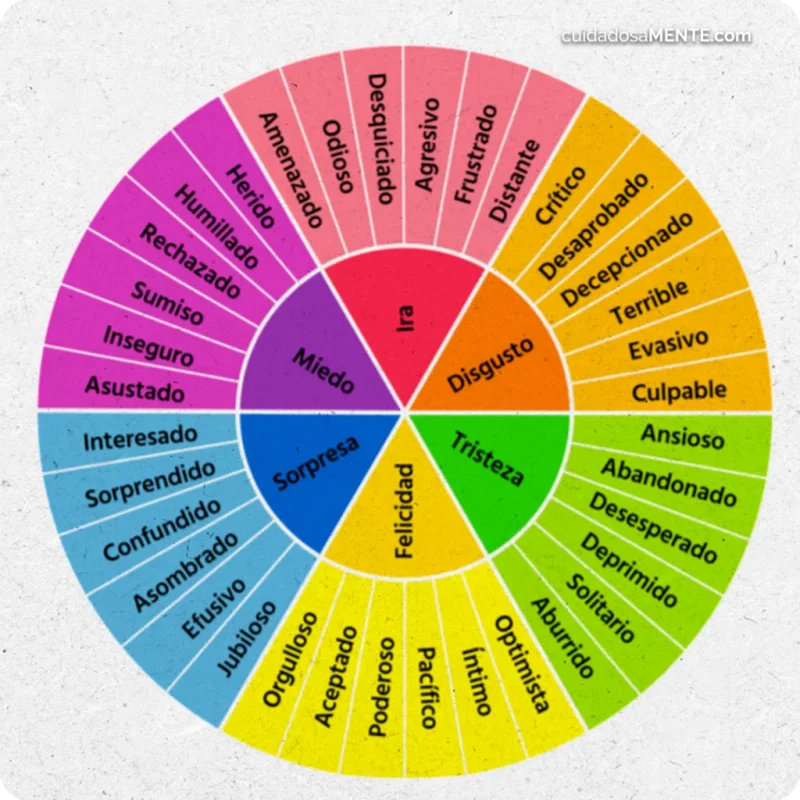
Emotions can often be complex, involving multiple feelings simultaneously. Strive to pinpoint the words that encapsulate your feelings.
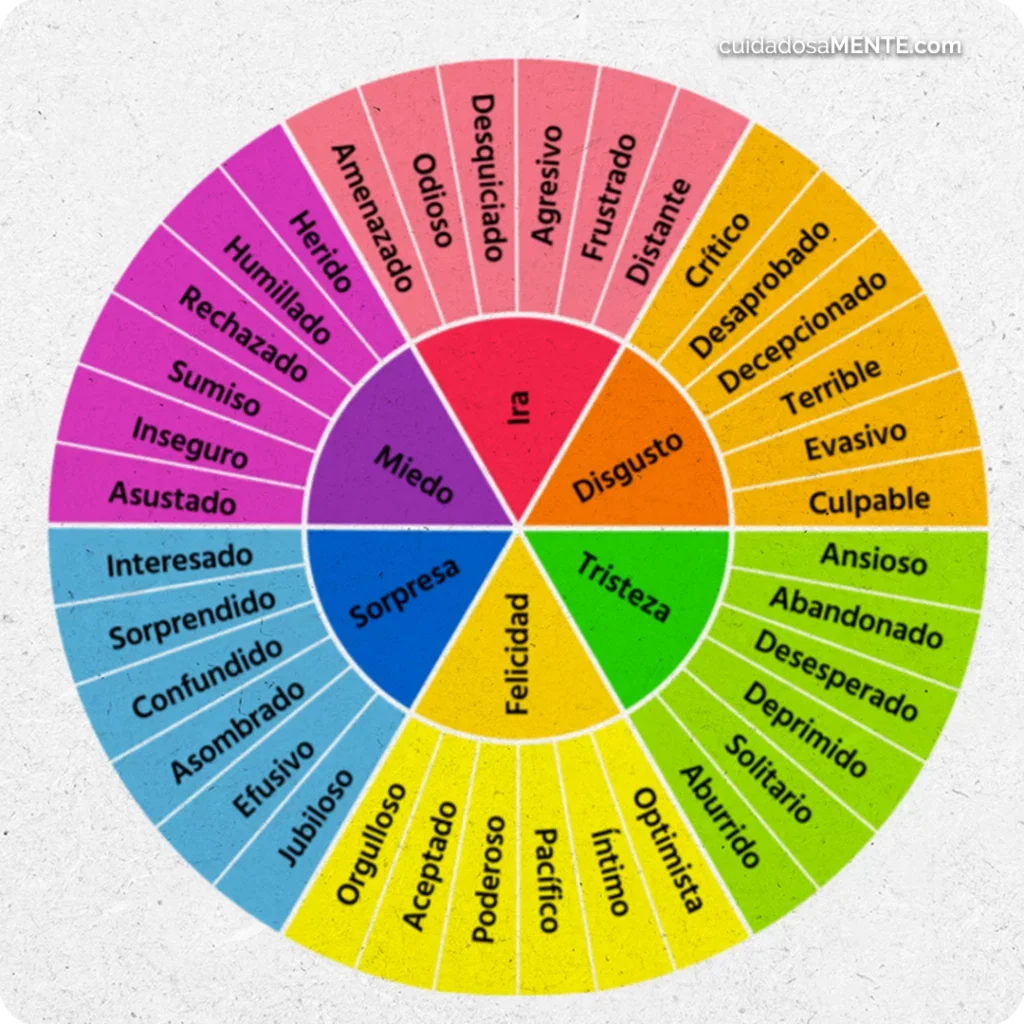
Utilizing an emotion wheel can help, featuring a range from basic to more intricate emotions.
Express Yourself
After experiencing an emotion, thoughts may arise that intensify either the pleasant or unpleasant aspects of what you’re feeling. Find a secure space to express these thoughts, such as writing them down, messaging yourself, or recording an audio note about how you feel.
This expression can help reduce the intensity of your thoughts, and once you feel calmer, revisit your notes to identify what you might need when facing similar emotions in the future.
Mindfulness
Practicing mindfulness encourages focus on the present moment. Through breathing exercises and awareness of bodily sensations, you can regulate your emotions. This alternative provides a pause before deciding how to respond.
You can find brief meditations in the materials section that may prove beneficial.
Temperature Change
If you find yourself unsure of how to handle a situation, consider a change in temperature. Start by splashing cold water on your face, or if you’re experiencing intense emotions, take a shower if possible.
These strategies can also be applied to emotions that evoke pleasant sensations like gratitude, joy, and tranquility. Regular practice enhances your ability to manage unpleasant emotions more effectively.
Research indicates that, depending on the intensity of emotions, certain techniques may prove more effective (McRae & Gross, 2020).
If you find that your emotions overwhelm you and understanding your feelings becomes difficult, therapy may provide an opportunity to develop new strategies and offer support throughout the process.
For those interested in learning more about emotions, further resources are available.