
Understanding Emotional Wounds: Their Impact and Healing
Explore the nature of emotional wounds, their origins, and the steps necessary for healing. Understand how these wounds affect our lives and relationships, and discover practical strategies for recovery.
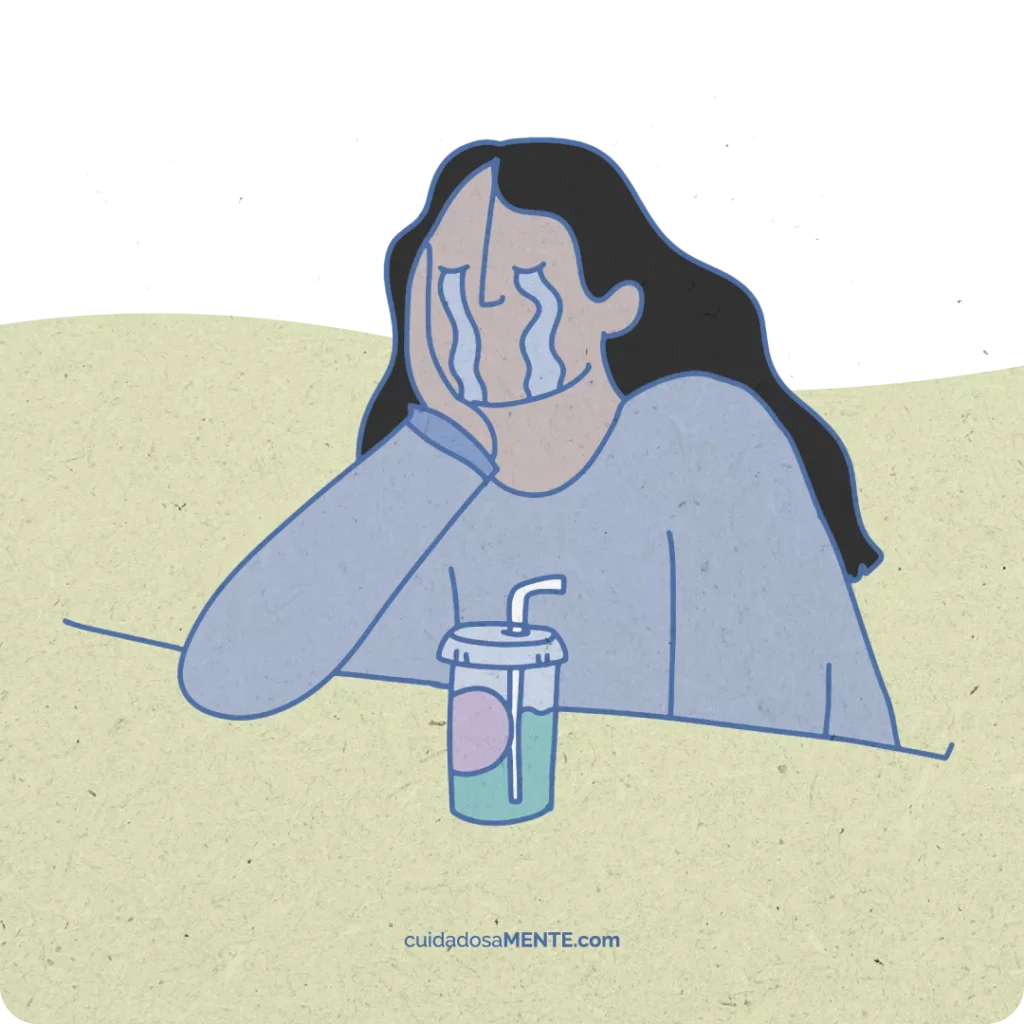
Have you ever stumbled, fallen off your bike, or cut yourself on a piece of paper? At some point in our lives, we all experience physical injuries: a scratch, a cut, or a bruise that brings discomfort, pain, or itchiness.
Over time, these physical wounds heal, sometimes quickly, other times more slowly if not properly cared for, often leaving a mark. A similar process occurs on an emotional level.
Our experiences from childhood shape how we perceive the world, interpret reality, and confront life's situations. External factors such as our environment, families, and the relationships we build also play a significant role, leaving marks that accompany us and become part of who we are.
Are All Marks Wounds?
Marks are reminders of lived experiences. They become wounds when traumatic events—such as the loss of a loved one, abuse, violence, or situations that provoke intense emotions—leave a deep imprint within us.
Emotional wounds often originate in childhood or adolescence but can form at any stage of life.
In essence, emotional wounds are psychological scars caused by negative or traumatic experiences, often repetitive in nature. Unlike physical wounds, emotional ones are invisible, making them harder to monitor and allowing them to root deeply. This can impact our self-esteem, interpersonal relationships, and ability to face new challenges, ultimately limiting our capacity for a fulfilling and satisfying life.
To move forward, we often adopt certain behaviors to avoid pain. However, ignoring or repressing these wounds only prolongs their presence. If we fail to identify and care for them to ensure proper healing, we may develop long-term mental health issues such as anxiety, depression, or disorders that threaten our well-being.
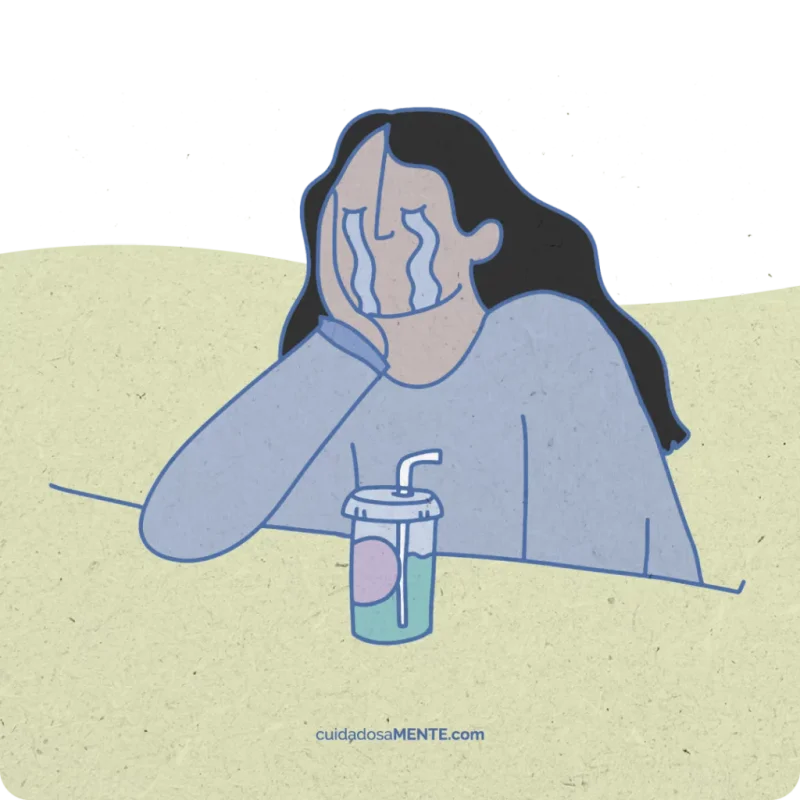
How Do Emotional Wounds Form?
Emotional wounds typically develop during early years or through significant experiences that impact our development and personality. While there is no definitive list, they can generally be categorized as follows:
- Rejection: This manifests when we feel unloved or undervalued, affecting our self-esteem and leading us to seek external validation. For instance, feeling that you don’t meet your parents' expectations can make you constantly seek approval from friends or partners.
- Betrayal: This occurs when someone we trusted breaks that trust, creating confusion and distrust towards others. For example, when a friend reveals a secret you confided in them.
- Abandonment: This feeling arises when we perceive being left physically or emotionally, particularly by someone significant, which can instill fear of rejection or loneliness. For example, if your parents worked all the time and you felt neglected.
- Humiliation: Experiences of belittlement or ridicule that deeply harm our self-esteem. For example, when classmates constantly bullied you at school.
- Injustice: This emerges when we feel we are not treated fairly, leading to resentment and helplessness. For instance, being an outstanding student who feels that a teacher favors certain peers without reason, causing frustration regardless of how hard you try.
Recognizing these emotions and situations is crucial to identifying our wounds, understanding their impact, and beginning the healing process.
How Can We Recognize Our Emotional Wounds?
Just like physical wounds, emotional ones lead us to remember how, when, and what hurt us. These memories often trigger emotions such as fear, anger, frustration, or helplessness. Common consequences include:
- Low self-esteem and self-confidence
- Difficulties in relationships
- Anxiety, depression, or related symptoms
- Repetitive behavioral patterns that perpetuate the emotional wound
In some cases, these wounds also manifest physically with symptoms like fatigue, muscle tension, or unexplained aches. This underscores the need to address both emotional and physical impacts.
So, How Can We Heal Our Wounds?
There isn’t a one-size-fits-all approach to healing, but these steps may assist you:
- Recognize: Identify your wound and how it influences your thoughts, behaviors, and emotions. Remember that acknowledging your emotions is crucial; repressing or ignoring them only deepens the wounds.
- Accept: Understand that the wound is part of your story. Fully feeling allows you to know yourself better and face all emotions without judgment.
- Change: Work on altering the thoughts or beliefs that sustain the wound. Practices like meditation or journaling can help process emotions and strengthen your resilience and understanding. For instance, keeping a journal to reflect on your thoughts can be a valuable tool for observing your patterns.
- Be Self-Compassionate: Cultivate a kind, empathetic, and understanding relationship with yourself. Avoid trying to revert to who you were before the wound; instead, focus on becoming a more complete version enriched by your experiences. Healing doesn’t happen overnight; it’s a process that can be slow and sometimes painful, but each step brings you closer to greater well-being.
- Build Healthy Relationships: Surround yourself with people who support and make you feel safe. An emotional support network can significantly impact your healing journey.
- Seek Help: Therapy provides a safe space to explore, identify, and work through emotional wounds. A professional can help you develop tools to manage your emotions and identify patterns of thought and behavior.
Remember that healing, like any process, is unique and personal. With the right resources and tools, it is possible to overcome adversities and rebuild yourself stronger. Healing not only frees you from past burdens but also prepares you to face future challenges with greater resilience.
What matters is not so much what happened in the past, but how we remember and live it now. Don’t force yourself to forget what marked you; instead, seek to transform those memories into lessons that propel you toward a fulfilling life.
The resilience of the human spirit allows us not only to heal but also to become a stronger and wiser version of ourselves. Every wound you work on is a step towards greater emotional freedom and a more liberated life.