
Understanding FOMO: The Fear of Missing Out
Explore the concept of FOMO, its impact on mental health, and strategies for managing this phenomenon in the digital age.
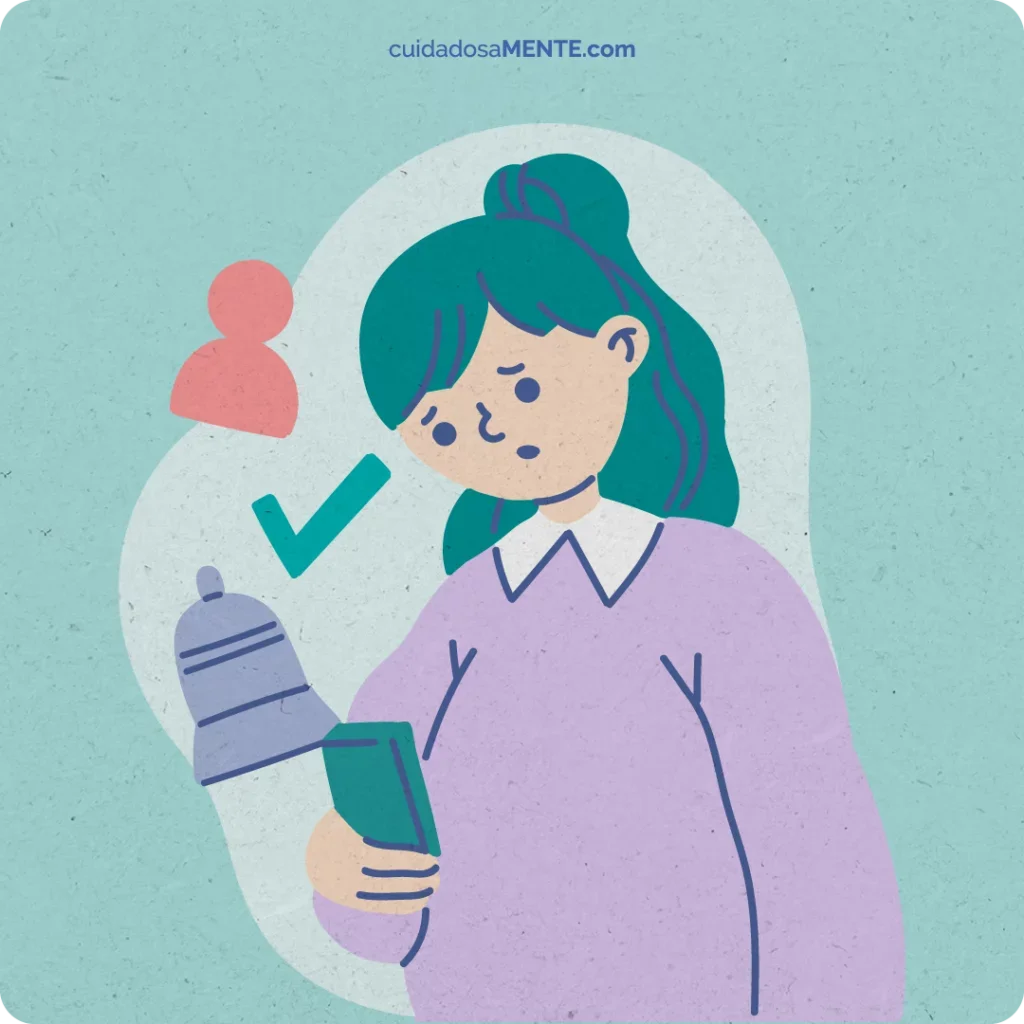
In today's digital age, our social interactions and experiences are increasingly shaped by online platforms. This has brought to light a psychological phenomenon known as Fear of Missing Out (FOMO).
FOMO is characterized by the anxiety or apprehension that one is missing out on activities that others are enjoying. But how can we recognize it, and what impact does it have on our mental health?
You may have experienced FOMO if you identify with these traits:
- You feel you're missing out on experiences or decisions that could enhance your life.
- You have a constant urge to stay updated on others' activities, events, or achievements.
- You find it challenging to enjoy the present moment.
- You worry about potentially missing something better.
- You often feel anxious when deciding which events to attend or skip.
- You seek memorable experiences that might earn validation from your social circle.
What Triggers FOMO?
To understand the emergence of FOMO, it is essential to consider that a lack of clarity regarding personal goals can lead to social comparison.
You might find yourself comparing your current situation with happier or more successful times in your life, or with different choices you might have made.
Additionally, constant access to social media platforms like Instagram, Facebook, or TikTok can exacerbate this comparison, often evoking nostalgia through past posts or tags that bring back memories.
Social media not only exposes us to information about experiences we might be missing but also to the lifestyles of others. Conversations with friends or family who attended events you didn't can further amplify feelings of exclusion and anxiety about not wanting to miss the next opportunity. (Varchetta et al., 2020)
Can FOMO Affect My Mental Health?
When FOMO transitions from a fleeting feeling to a constant presence in your life, it can negatively impact your mental well-being. Here are three areas where these effects may manifest:
- Decreased focus on the present moment: The feeling of missing out can distract you from what you are currently doing, leading to constant comparisons with others. This can heighten symptoms of stress, depression, and anxiety. (Tanhan et al., 2022)
- Increased anxiety: Persistent thoughts about missed opportunities or decisions you “should” have made can elevate anxiety levels. Individuals experiencing anxiety often report feelings of restlessness, irritability, and difficulty concentrating.
- Sleep disturbances: The need to stay informed about your surroundings can disrupt the quality of your sleep, whether due to excessive time spent on social media or worrying about doing more than is feasible.
If you recognize that these symptoms are affecting your mental health, it's crucial to take proactive steps to manage your emotional state.
Strategies to Combat FOMO
- Identify your priorities: Create a list of priorities to keep your goals clear. This will help you make decisions more easily and be more patient with yourself.
- Enjoy the present: It’s easy to get distracted by tasks and daily routines. Finding positive aspects in everyday activities can lead to more satisfying outcomes. Practicing mindfulness can help you focus on and fully enjoy the present.
- Limit social media access: While social media is easily accessible, seek content that inspires feelings of gratitude, tranquility, and curiosity. Avoid content that leads to comparison. Set boundaries regarding the time and type of content you consume.
- Strengthen your support network: Spend time with close relationships where you can share concerns, create trusting spaces, and receive support during challenging times.
- Seek professional help: Consulting a mental health professional can provide you with a new perspective on your situation and support you in your journey toward well-being.
Taking that first step toward change can be daunting, but with practice, it will become easier to integrate into your daily routine.

References
- Tanhan, F., Özok, H. İ., & Tayi̇Z, V. (2022). Gelişmeleri Kaçırma Korkusu (FOMO): Güncel bir derleme. Psikiyatride Guncel Yaklasimlar – Current Approaches In Psychiatry, 14(1), 74-85. doi.org/10.18863/pgy.942431
- Varchetta, M., Fraschetti, A., Mari, E., & Giannini, A. M. (2020). Adicción a redes sociales, Miedo a perderse experiencias (FOMO) y Vulnerabilidad en línea en estudiantes universitarios. Revista Digital de Investigación En Docencia Universitaria, 14(1), e1187. doi.org/10.19083/ridu.2020.1187