
Understanding Meditation: Its Origins, Benefits, and How to Start
Meditation is an ancient practice that promotes mental and emotional well-being. Explore its history, benefits, and how to start your meditation journey.
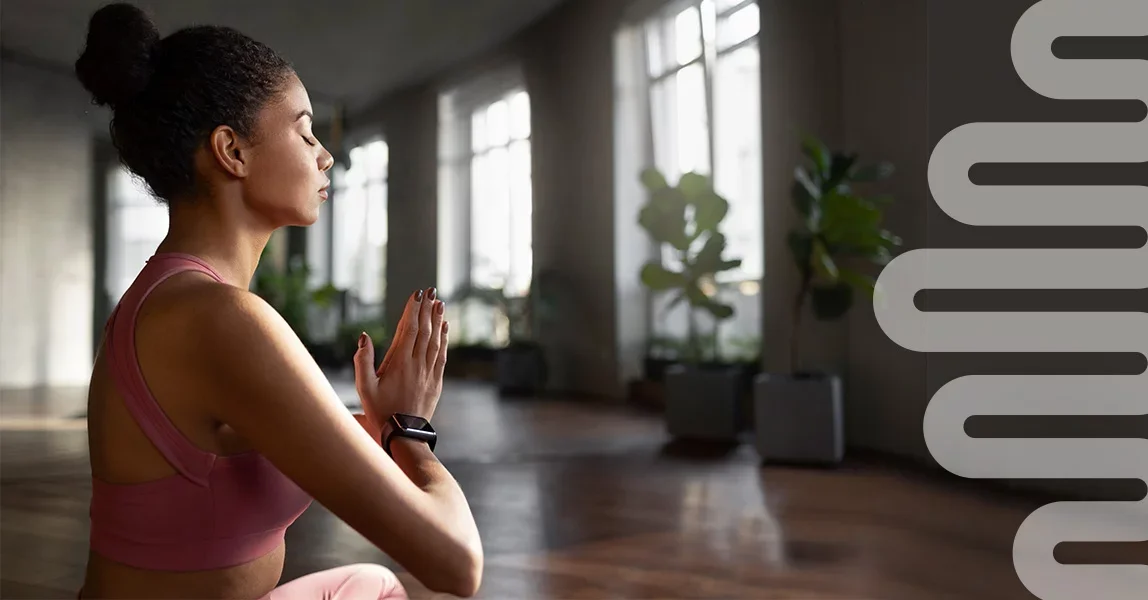
Meditation is an ancient practice that has been integral to various cultures and traditions worldwide. Although its roots are deeply intertwined with religious and spiritual contexts, it has evolved into a widely recognized tool for enhancing mental and emotional well-being today.
In this article, we will delve into what meditation is, explore its benefits, and guide you on how to embark on your journey toward greater inner peace and connection.
A Brief History of Meditation
Meditation boasts a history that stretches back over 5,000 years. It originated within the spiritual practices of the ancient Indus Valley civilizations and was documented in India's medical texts. By the 6th century BCE, Buddhism integrated it as a pathway to Nirvana, the ultimate state of enlightenment. Meanwhile, in China, it found its place within Taoism and Confucianism.
In the 20th century, transcendental meditation and mindfulness brought this practice to the forefront in the West, highlighting its benefits for mental and emotional health. Today, meditation serves as a global tool for well-being and inner peace.
Meditation and Self-Awareness: Why They Are So Effective
Before diving into meditation itself, it is essential to pause and consider a fundamental perceptual concept: self-awareness. This serves as the driving force behind our topic. It provides both a physical and spiritual perspective, helping us stay present and gain clearer insights into our emotions day by day. Through this process, we can reconcile our thoughts and calm our minds, a vital step in strengthening self-esteem and avoiding self-sabotage. However…
What is Self-Awareness?
Self-awareness is the ability to recognize and understand one's own thoughts, emotions, and behaviors. It is a crucial component of emotional intelligence, referring to the skill of being conscious of oneself in the present moment. Self-awareness encompasses several aspects:
Recognition of Our Emotions
This refers to the ability to identify and label our emotions as they arise. For example, when facing a problem that could impact our future, recognizing it may lead to emotional overload. Such reactions can cloud our perception of the present reality and hinder our focus on daily tasks. Self-awareness aims to prevent these behaviors by equipping us with tools to recognize our emotions more consciously and manage them with clarity.
Understanding Our Thoughts
This involves observing and analyzing our thoughts and how they influence our emotions and actions. Constructively questioning ourselves can yield significant benefits. The overload of daily thoughts can lead to heightened stress levels, and developing self-awareness is key to preventing anxiety and mitigating harmful effects on our health.
Bodily Awareness
This aspect entails being aware of physical sensations and how our body responds to various situations and life stages. In the hustle and bustle of daily life, we often disconnect from our physical evolution, which over time can lead to health issues and affect our overall well-being.
Recognition of Our Behaviors
This involves understanding how and why we act in certain ways in different contexts. Self-control and self-awareness are essential for harmonious living with others. Making conscious decisions and adopting mindful behaviors enables us to regain control over our emotions and our lives.
Self-Recognition
This consists of accepting both our strengths and weaknesses and developing a realistic view of who we are. Often, we shy away from evaluating our own lives, but facing that reality honestly is the first step toward transformation.
Each of these concepts is vital for creating a turning point in our lives. They prepare us to engage in practices that allow us to integrate them consciously, thus enhancing our mental health and emotional well-being.
What is Meditation?
Meditation is an ancient practice that trains the mind to achieve a state of focus and calm. With consistent practice, it can help reduce stress, improve attention, and foster an overall sense of well-being.
While there are many forms of meditation, most share common elements, such as mindfulness, conscious breathing, and a specific body posture.

What Types of Meditations Exist?
There are various types of meditation, each with unique methods stemming from different cultures and aimed at different objectives. However, they all share a common goal: to promote physical, mental, and spiritual well-being.
Here are some of the most recognized types, categorized by their origin or primary focus:
By History
Primordial Sound Meditation
A technique based on mantras, rooted in the Vedic tradition of India. It employs primordial sounds to guide the mind into a deep state of rest.
Vipassana Meditation
An ancient Buddhist practice whose name means “seeing things as they are.” It focuses on observing breath and bodily sensations to develop deep understanding and equanimity.
Zazen (Zen) Meditation
The central practice of Zen Buddhism. It involves conscious observation of the breath and a stable seated posture, aiming for enlightenment and spiritual awakening.
Transcendental Meditation
Technique popularized by Maharishi Mahesh Yogi. It uses a personal mantra to transcend everyday thinking and reach a state of deep mental rest.
Metta Meditation (Loving-Kindness)
A Buddhist practice that cultivates feelings of unconditional love and kindness towards oneself and others through the repetition of positive phrases.
Kundalini Meditation
Aims to awaken the kundalini energy located at the base of the spine. It combines breathing techniques, mantras, and postures to activate and elevate this energy throughout the body.
Chakra Meditation
Focuses on the seven chakras or energy centers of the body. Through visualization, breathing, and mantras, it seeks to balance and harmonize these energy centers.
Tonglen Meditation
A Tibetan practice of giving and receiving. It involves inhaling the suffering of others and exhaling compassion and love, thus promoting empathy and inner healing.
Types of Meditation Based on Our Needs
If you prefer to skip the historical or religious aspects and get straight to the point, there are meditations focused on how you feel in your daily life that can help maintain your mental and spiritual health in optimal condition. Here are a few of them:
Meditation for Releasing Anger
Anger is a natural emotion that arises in response to real or perceived threats. If not managed properly, it can negatively impact our physical and emotional health.
However, when handled consciously, it can help establish boundaries and express needs without resorting to aggression. This meditation aids in reducing stress, enhancing objectivity, and strengthening self-compassion, facilitating a gradual transformation in how we express emotions and behaviors.
Meditation for Healing Pain
This practice can assist in alleviating pain, both physical and emotional. It is beneficial for various types of pain: acute, chronic, or recurring. Its benefits include gradual pain reduction, enhanced resilience, decreased anxiety and stress, and improved rest.
This meditation changes our perception and approach to pain, promoting overall well-being.
Meditation for Letting Go
This meditation is ideal for releasing attachments that generate anxiety, guilt, or sadness.
Mantras like “I release what no longer serves me” can be used to calm the mind and lighten emotional burdens. It also encourages acceptance of what cannot be changed, reflection on lessons learned, practicing mindfulness, expressing feelings, and self-care. This gradual process leads to greater inner peace.
Meditation for Reducing Stress
Stress is a natural bodily response to certain challenges, but its accumulation can lead to anxiety, depression, physical pain, and digestive issues, among other symptoms. Meditation is an effective tool for managing stress, allowing us to regain emotional balance, reduce tension, and enhance overall well-being.
Meditation for Improving Concentration (Mindfulness)
Meditation focused on concentration helps direct attention towards specific tasks and avoid distractions. Factors such as fatigue, stress, or worries can affect our ability to concentrate.
This practice is enhanced by having clear goals, creating an orderly and quiet environment, taking conscious breaks, and cultivating mindfulness.
These are not the only types of meditation you can incorporate into your daily life. Remember that at CuidadosaMENTE, we offer a complete section of meditations to accompany you based on your situation or need.
What Are the Benefits of Meditation?
Meditation offers a wide range of benefits for both the mind and body. Below are some of the most notable, supported by scientific research:
Stress Reduction
One of the most well-known benefits of meditation is its ability to decrease stress. By focusing attention and calming the mind, it can lower cortisol levels (the stress hormone) in the body. This not only enhances mental well-being but also has positive effects on physical health.
Improved Concentration and Attention
Regular practice of meditation can increase the capacity for concentration and focus. Various studies have shown that it enhances cognitive function and helps maintain attention on specific tasks for extended periods.
Promotion of Emotional Well-Being
Meditation fosters greater awareness and understanding of one’s own thoughts and emotions. This contributes to better emotional regulation and a reduction in symptoms related to anxiety and depression.
Better Sleep
Meditation techniques are effective for improving sleep quality. By reducing stress and promoting a state of deep relaxation, they facilitate the process of falling asleep and allow for more restorative rest.
Physical Benefits
In addition to its mental and emotional effects, meditation can positively influence physical health. For instance, it helps lower blood pressure, strengthens the immune system, and decreases pain perception.

How to Start Meditating?
Beginning a meditation practice may seem daunting at first. Many people give up in the early days due to uncertainty about what to do. However, with a few simple steps, anyone can start enjoying its benefits. Here’s a basic guide:
1. Find a Quiet Place
Choose a distraction-free space where you can sit comfortably...