
Where Infidelity is Most Common: Insights from Recent Studies
A recent international study reveals that the USA leads in infidelity rates, with 71% of respondents admitting to cheating. Germany follows closely at 68%. This article explores the societal and emotional factors behind these numbers.
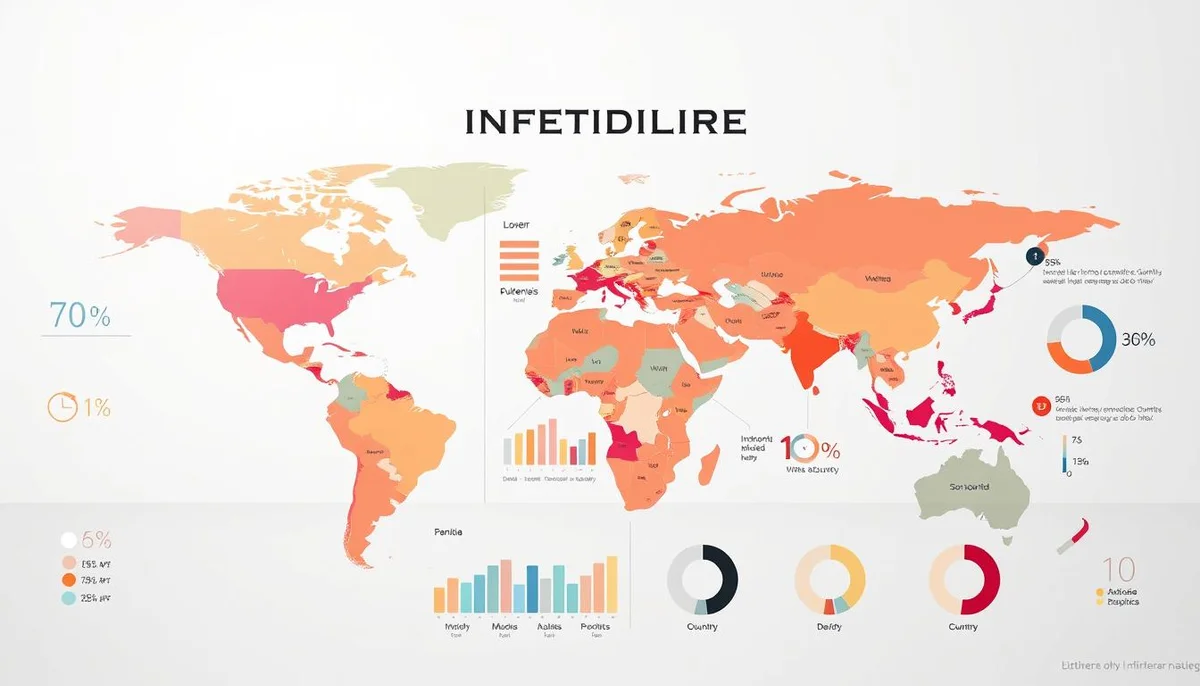
Infidelity is a topic that has long intrigued researchers and the public alike. A recent international study has revealed some surprising findings regarding infidelity rates across various nations. Leading the pack, the United States ranks highest, with 71% of respondents admitting to having cheated at least once.
This statistic indicates that over two-thirds of those surveyed in the U.S. have engaged in extramarital affairs, providing a significant insight into a global issue that many find difficult to discuss openly.
Germany follows closely behind, with 68% of individuals reporting that they have also been unfaithful, according to the same research. The data, sourced from reputable organizations like Smith Investigation Services, allows for an objective examination of a deeply personal and complex behavior.
In this article, we will explore the underlying factors contributing to these high rates of infidelity, examining societal and cultural influences while striving for an informative perspective free from moral judgment.

Key Takeaways
- The United States leads globally in infidelity rates.
- Germany holds a close second place.
- The analysis is based on credible studies providing objective statistics.
- Societal and cultural influences on this behavior are examined.
- The article aims to present facts without moral evaluations.
- The global phenomenon of infidelity is viewed through a data-driven lens.
Global Infidelity Rankings: Where is Cheating Most Common?
A closer look at global data reveals the prevalence of infidelity across different cultures, with significant variations from country to country.
Analysis of Respondent Percentages in Various Countries
The statistics paint a clear picture: 71% of respondents in the U.S. reported having been unfaithful. Following the U.S. is Germany at 68%, and the United Kingdom in third place at 66%. Other notable countries include Thailand at 61%, and Brazil and France, both at 57%. Russia has a reported rate of 53%, while Japan, Romania, and Australia show figures ranging from 49% to 44%. The lowest rates are found in Turkey and Canada, both at 27%, with Iceland standing out as an extreme outlier at just 9%.
| Country | Percentage of Respondents | Rank | |---------------|---------------------------|------| | USA | 71% | 1 | | Germany | 68% | 2 | | UK | 66% | 3 | | Thailand | 61% | 4 | | Brazil/France | 57% | 5 | | Russia | 53% | 6 | | Japan | 49% | 7 | | Romania | 46% | 8 | | Australia | 44% | 9 | | Turkey/Canada | 27% | 10 | | Iceland | 9% | 11 |
Comparison of International Studies and Statistics
The study conducted by Smith Investigation Services offers a snapshot of infidelity trends. Other surveys often corroborate similar findings, particularly highlighting the elevated rates in Western industrialized nations, suggesting that cultural norms may play a significant role. These statistics provide a foundation for further research, helping to deepen our understanding of the global phenomenon of infidelity.
Causes and Backgrounds of Infidelity
What drives individuals to cheat? This question is a focal point for therapists like Andrea Bräu from Munich, who has conducted extensive research on the psychological factors behind these high rates of infidelity. The data suggests that there is a notable increase in interest in adult dating platforms worldwide, indicating a desire to connect with others who share similar interests.
Emotional and Rational Motivations in Focus
Therapist Andrea Bräu has observed distinct patterns in motivations for infidelity. Approximately 44% of men cite a primary desire for sexual variety, whereas 40% of women report emotional reasons for their infidelity, often feeling neglected and seeking validation outside their relationships. These differing needs shape the landscape of infidelity, where affairs frequently arise from weakened connections with partners.
Cultural and Societal Influences on Infidelity
Cultural norms undoubtedly influence behaviors surrounding infidelity. However, the fundamental search for validation remains a universal theme. An affair does not necessarily signify the end of a relationship; with effort from both partners, commitment can be reinforced. Infidelity is a multifaceted phenomenon that intertwines individual emotions with societal contexts.

Professional Factors and Stress: The Role of Employment
Work-related stress and specific industries often create environments conducive to affairs. The workplace can serve as a significant catalyst for infidelity.
Study Results on Professional Triggers for Infidelity
A study from Ashley Madison, involving 1,074 members, provides concrete insights. Among women, healthcare professionals, including doctors and nurses, are the most likely to cheat, at 23%. For men, tradespeople lead the statistics at 29%, with workplace stress identified as a central factor.
Gender Differences and Industry-Specific Insights
An additional survey by Victoria Milan involving 5,000 participants confirms these trends, indicating that affairs with colleagues are particularly prevalent in finance. Men in the IT sector rank second at 12%. Women in aviation and finance also show an increased likelihood of infidelity, as the job environment can create ample opportunities for extramarital encounters. Interestingly, 44% of respondents reported never changing jobs, reflecting stability that contrasts with the prevalence of infidelity. Irregular working hours for men further contribute to the likelihood of affairs going unnoticed, facilitating the search for sexual novelty.
Conclusion
The overview presented highlights that infidelity is a complex issue with numerous underlying causes. The study indicates that 71% of respondents in the U.S. have experienced infidelity. Motivations for cheating often differ between genders, with men more likely to seek sexual variety and women more inclined to cite emotional reasons. Professional stress can also be a contributing factor, particularly in fields such as healthcare and trades.
For a stable relationship, open communication between partners is essential. Experts like Andrea Bräu emphasize the importance of this dialogue. Ultimately, fidelity is a conscious choice, and each relationship must define this value uniquely.
FAQ
In which country is infidelity most common according to studies?
Current international studies, such as those from the Global Sex Survey, often place Thailand and Denmark at the top of the infidelity rankings, with a significant percentage of respondents admitting to having cheated at least once. Cultural openness and societal norms play a substantial role in these statistics.
Are there differences between men and women regarding infidelity?
Yes, the study highlights traditionally gender-specific differences. Historically, more men than women have reported infidelity, but recent research suggests a convergence in these rates. However, the motivations for affairs can still vary significantly between genders.
What professional factors may contribute to infidelity?
Certain job environments characterized by high stress, extensive travel, or an imbalance in gender ratios are frequently identified as risk factors. Industries such as hospitality, gastronomy, and event management appear more often in analyses. Work-related stress can weaken emotional bonds in personal relationships.
What are the most common emotional reasons for infidelity?
Many individuals cite emotional neglect, a desire for validation, or a lack of appreciation in their current relationships as primary motivators for cheating. The need for feeling desired and valued often outweighs purely physical motivations, and these reasons are prevalent among both genders.
How reliable are statistics on infidelity?
All data is based on self-reported responses, which naturally limits accuracy. Due to the stigma surrounding infidelity, the actual percentages are likely higher. Various international studies employ different methodologies, complicating the comparability of results.