
According to a Psychologist, Lasting Couples Often Create Their Own 'Secret Language'
According to psychologist Mark Travers, the happiest couples develop rituals that strengthen intimacy and complicity, creating a unique bond.
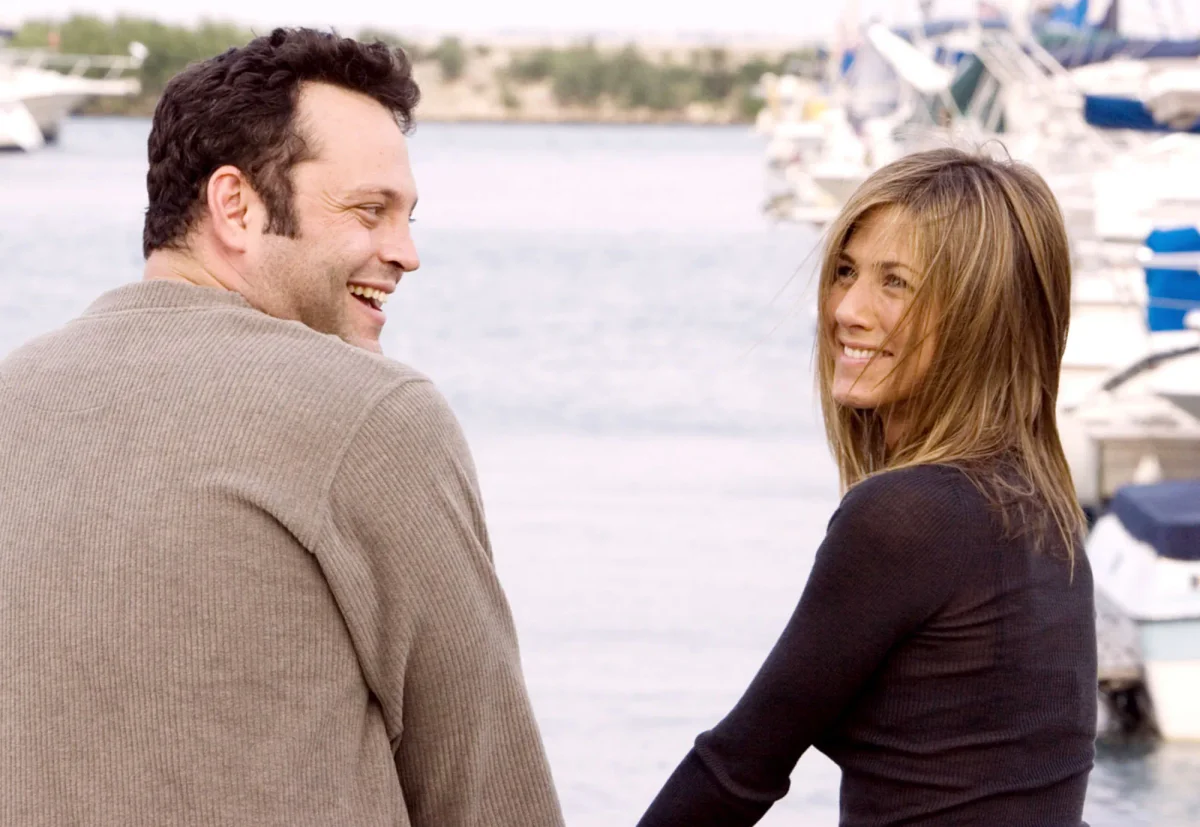

© Everett Collection
According to psychologist Mark Travers, the happiest couples develop a ritual that strengthens intimacy and complicity.
Sometimes, it just takes observing a long-term couple to realize this. A shared glance, an invented word, a reference that no one else understands, and suddenly they are laughing. To outsiders, these habits may seem strange, even a bit ridiculous. Yet, they are far from trivial. In an article published in Forbes, psychologist Mark Travers draws on a study conducted by researchers Carol Bruess and Judy Pearson to show that the most fulfilled couples often develop what he calls a true "culture for two". A universe composed of rituals, codes, and traditions that reinforce the feeling of being a team.
This 'Secret Language' That Brings Partners Closer
Among the various rituals observed in the study, the researchers were struck by the importance of private codes. Unlikely nicknames, invented accents, recurring phrases, or discreet gestures: each couple seems to develop its own emotional vocabulary. These habits create a unique sense of belonging. They constantly remind partners that they share something special.
In practical terms, this could be a message sent every morning with the same emoji, an invented word to designate a moment of tenderness, or a phrase that discreetly means "I need you" when in public. These codes serve an important function. They help maintain the connection even when daily life becomes busy with work, children, or obligations.
Absurd Jokes Are Often a Very Good Sign
The study finds that happy couples play a lot. The researchers observed that the most satisfied partners often engage in playful rituals that are completely incomprehensible to others. Some invent games, others set recurring challenges, or maintain long-standing jokes. This may seem anecdotal, but psychology shows that play fosters emotional closeness. Several studies have demonstrated that shared humor increases the sense of complicity and marital satisfaction.
We often notice this in daily life. Some couples gently tease each other over the same anecdote for twenty years. Others turn every car ride into an improvised karaoke session or give a special voice to their pet. These moments of lightness allow them to step out of the "daily manager" mode to become, for a few moments, two people who enjoy being together.
Small Traditions Matter More Than We Think
According to Bruess and Pearson, lasting couples also develop regular rituals around ordinary moments. This could be the same coffee shared every Sunday morning, a walk after dinner, or a meal prepared together every Friday night. These habits have a reassuring effect. They create what psychologists call a sense of relational continuity.
Mark Travers reminds us that these traditions gradually become symbols of the bond. They allow partners to reconnect even when life becomes more stressful. This research highlights a simpler reality: the couples who last are not necessarily those who experience the most spectacular adventures. They are often those who have taken the time to build, over the years, their own universe.