
Understanding Fear: A Natural Emotion and Its Impact on Our Lives
Fear is a universal emotion that influences our actions and survival. Understanding fear can help us confront it, leading to personal growth and a more fulfilling life.

Fear is a universal emotion that everyone experiences from a young age. Often, we learn to avoid, reject, or hide it, perceiving it as a “negative” emotion that exposes our vulnerabilities. However, it is essential to recognize fear as a basic and natural feeling that plays a protective role in our lives.
This emotion serves as an alert system, helping us to avoid risks and steer clear of danger for our survival. As such, it should not be viewed as an enemy to conquer, but rather as an ally that guides us to act and adapt to our environment. When experienced appropriately, fear can lead to sound decision-making and safety. Conversely, excessive fear can block, paralyze, and distort our perception of reality.
Fear is a constant presence throughout our lives. Instead of trying to eliminate or deny it, we should strive to understand and relate to it appropriately, allowing it to fulfill its role without limiting our actions, relationships, and overall well-being. Ultimately, it is not fear itself that matters, but how we respond to it.
Understanding Fear...
Like joy, sadness, anger, surprise, and disgust, fear is a basic, universal emotion with an adaptive function that influences our actions and survival.
Fear acts as an alarm, keeping us alert to potential risks (Mammoliti, 2023). It serves as a guardian that protects us by triggering bodily reactions, preparing us for immediate responses of escape or defense—like during an earthquake.
Fear originates more from our interpretations and thoughts than from reality itself. When confronted with a threat—be it real, imagined, or a mix of both—fear emerges as a mental construct: “what we interpret is often scarier than what is actually happening” (López, 2024). This indicates that fear is often activated by what we imagine could happen rather than by what is currently occurring.
Causes of Fear
When fear arises from imaginary or irrational sources (such as limiting beliefs or past experiences), it is crucial to use reason to assess whether there is a genuine risk. For instance, one might fear that a well-prepared presentation will go poorly instead of trusting their abilities.
Conversely, if the source of fear is real and rational (based on a genuine threat) or has already occurred, it is important to take action to address the issue or adapt to the new situation. For example, one should acknowledge and validate the fear of losing a job and focus on seeking new opportunities instead of remaining paralyzed.
Additionally, it is vital to prevent real fears from spawning imaginary ones, such as fearing that one will “never” find another job, despite lacking evidence to support that belief.
Types of Fear
- Functional (healthy or adaptive): This type of fear serves its protective function, alerting us to real dangers and aiding in safe decision-making without causing paralysis. For example, fear of crossing a busy street prompts us to wait for the light and look both ways before proceeding.
- Dysfunctional (pathological or excessive): This fear surpasses its protective role, limiting and paralyzing our actions when experienced in a disproportionate manner. It becomes unhelpful when its intensity and duration exceed what is warranted by the perceived threat, such as avoiding elevators or planes, even at the cost of taking the stairs or missing a trip.
Psychiatrist R. López emphasizes that to understand our fears and determine whether they are healthy or pathological, we must ask ourselves: What am I afraid of? And how frequently, intensely, and for how long do I experience this fear?
The more useful the fear, the better it serves its adaptive function.
The more intense, exaggerated, disproportionate, and enduring it is, the more damage it can cause, hindering or limiting what we truly wish to accomplish.
It is also important to note that the absence of fear (having no fear) can jeopardize one’s life and the safety of others, which is not healthy either.
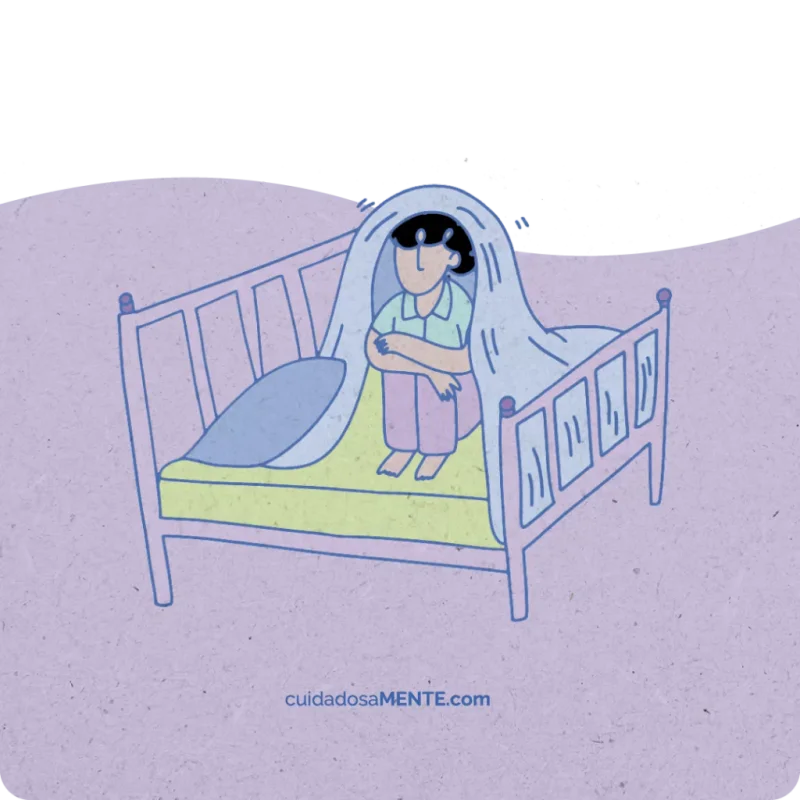
Common Fears
Various authors agree that there are evolutionary fears we share with others that accompany us throughout life. These fears may stem from:
- Universal challenges such as danger, pain, and disgust
- Cultural influences like shame and rejection
- Personal experiences such as loneliness and the need for control.
From this foundation, we can identify different types of fears:
- Instinctive fears: falling, sudden loud noises, fast-approaching objects, snakes, and spiders
- Learned fears: darkness, illness, suffering, losing control, aging, humiliation, making mistakes, not being perfect, revealing or acknowledging a truth, change, loss, and failure
- Deep fears: death, freedom, isolation, and lack of purpose in life.
Regardless of the fear we face, it is vital to first acknowledge it to ourselves, and then to others. We must also identify whether it is disguised behind other emotions that prevent its expression, such as:
- Anger, rage, or aggression
- Apathy, indifference, or boredom
- Detachment
- Procrastination, laziness, inaction, or lack of inspiration
- Arrogance or pride
- Irrational optimism or excessive confidence
- Hyperactivity and practicality
- Perfectionism
By making contact with our fears, we can welcome, accept, and allow them to be protective allies. Otherwise, they will maintain a constant tension, like an alarm stuck in the on position, preventing us from trusting ourselves and connecting with the present.
How to Confront Fear
Fear can hinder us from living fully and reaching our potential. By confronting our fears—from the everyday to the profound—we may discover that many of them are unfounded or exaggerated.
M. Poler proposes an action-oriented and self-awareness-based approach to tackling fear. His experience outlines a structured process in the following steps:
- Discovery: Identify what scares you.
- Denial: Ignore the fact that you are actually scared and remain in your comfort zone without taking action.
- Determination: Make necessary arrangements to confront the fear, creating an action plan with a timeline to tackle what frightens you.
- Doubt: Consider possible outcomes, leading to chaos, losing the courage to try, and wanting to give up.
- Action: Face the fear, do what scares you, and discover your own strength.
- Celebration: Share with the world what you accomplished and take pride in overcoming your fear.
These steps allow us to reclaim our cognitive, behavioral, and emotional tools to shift our perspective on and relationship with fear.
Other helpful strategies for confronting fear include breathing exercises, meditation, body posture modification, writing and/or speaking, progressive visualization (mentally rehearsing what you want to do), among others, which can be learned through therapeutic processes to reduce fear's impact and build confidence.
Seeking professional help and considering psychiatric support is necessary when fear becomes overwhelming, interfering with the ability to enjoy life. It is also important to note that fear is a component of anxiety and distress that requires specialized intervention.
Acknowledging our fears, analyzing them, and taking concrete actions to overcome them can open up new experiences and lead to a fuller life.