
Depression: What It Is and How to Identify It
Depression is an emotional disorder that goes far beyond feeling sad. Understanding its real-life manifestations helps to detect often unnoticed signs.
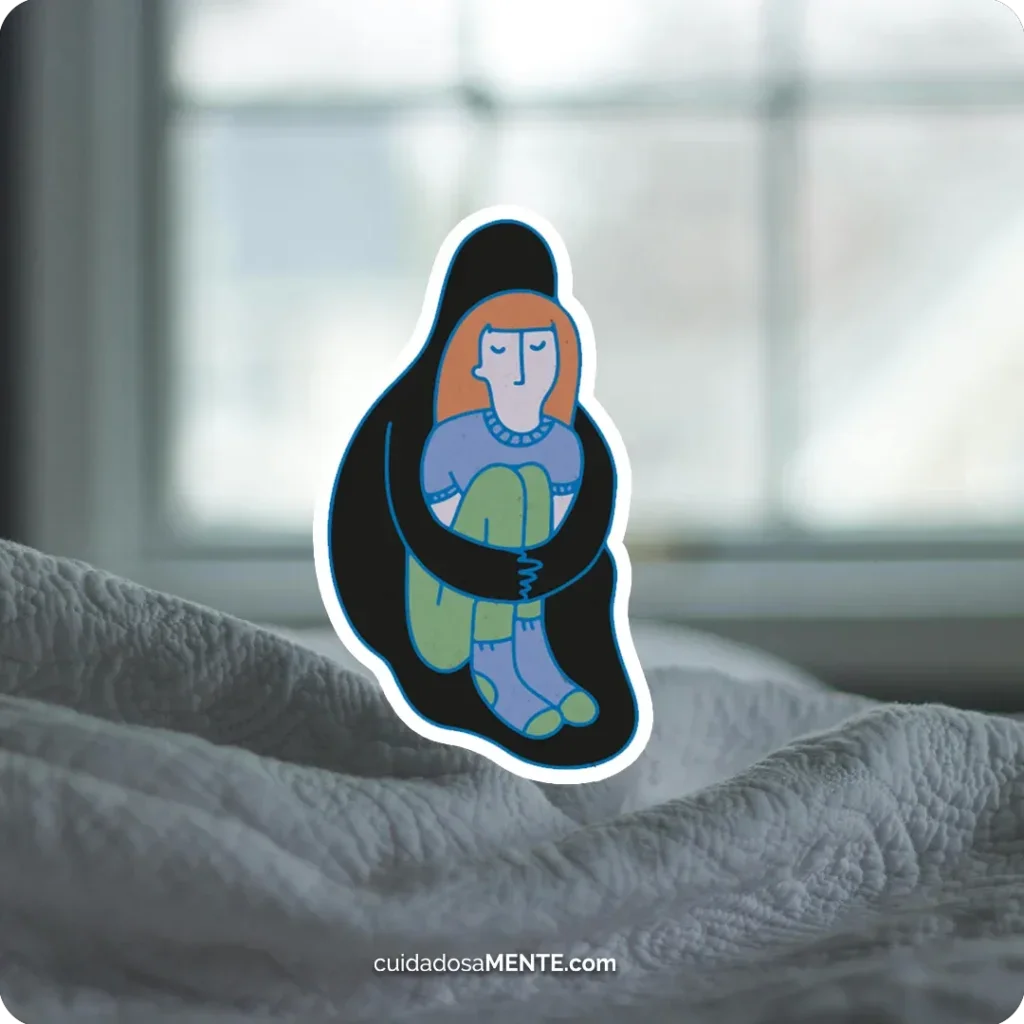
Depression is an emotional disorder that goes far beyond just feeling sad. Understanding how it manifests in real life helps to detect signs that often go unnoticed.
Many people are unclear and ask: “How do I know if I have depression?” because its symptoms can be confused with fatigue or stress. However, recognizing what is happening is a first step toward regaining quality of life.
What is Depression?
Depression is a mood disorder that affects thoughts, energy, and motivation. It is not a sign of weakness nor something that can be overcome with willpower. It is characterized by persistent sadness, a feeling of emptiness, and a loss of interest in activities that once brought joy.
Unlike temporary sadness, depression tends to last for weeks or months and disrupts the ability to function normally. It is a clinical condition that requires attention, support, and in many cases, professional treatment.
How Do I Know If I Have Depression?
Many people live with symptoms without recognizing them because they are gradual or because they feel guilty for “not being able to handle everything.” Here are common signs that may indicate depression:
- Deep sadness without apparent reason
- Loss of interest in activities you once enjoyed
- Sleep problems (oversleeping or insomnia)
- Changes in eating habits (appetite and weight)
- Excessive guilt or severe self-criticism
- Difficulty concentrating or making decisions.
- Thoughts of death or suicide
If these symptoms persist for more than two weeks, it is advisable to seek professional support. For more information, check this article if you are experiencing prolonged sadness.
Factors That Influence Depression
Depression does not have a single cause. It generally arises from a combination of biological, psychological, and social elements.
- Biological factors: Changes in neurotransmitters and how the brain regulates emotions.
- Genetic factors: A family history of depression increases vulnerability, although it does not determine the development of the disorder.
- Psychological factors: Chronic stress, low self-esteem, unresolved painful experiences, or trauma.
- Social factors: Isolation, family conflicts, loss of a loved one, economic or work difficulties.
Understanding the causes that lead to this disorder will help us empathize with the person suffering from it.
How Does It Affect Daily Life?
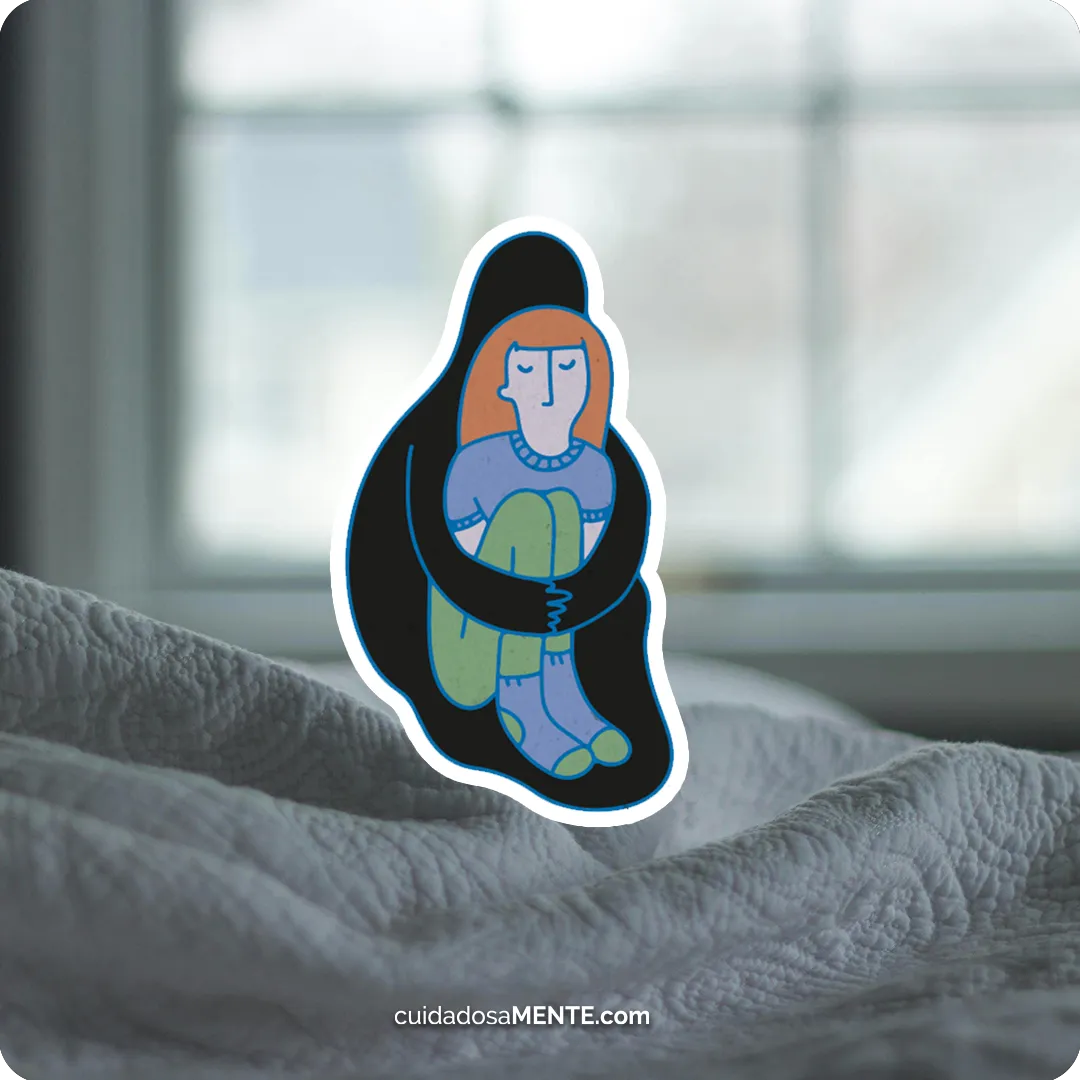
Living with depression can feel like carrying an invisible burden on your shoulders every day. Simple tasks like getting out of bed, leaving the house, socializing, attending school or work become difficult. This is not “laziness”; it is part of the disorder.
Depression impacts:
- Personal relationships
- Work or school productivity
- Physical health
- Self-esteem and motivation
- Sleep and eating habits
Recognizing this is important to avoid feeling guilty and to understand that it is a mental health issue.
Effective Treatments for Depression
The good news: depression is treatable, and most people improve with the right support.
- Psychological therapy: Approaches such as cognitive-behavioral therapy or third-generation therapies help change negative thought and behavior patterns.
- Medications: In some cases, antidepressants help stabilize brain chemistry. Their use must be supervised by a psychiatrist.
- Complementary habits and practices: Meditation, yoga, breathing techniques, and body movement can support emotional regulation.
- Support network: The support of family, friends, or support groups facilitates the process and reduces isolation.
Practical Steps to Face It
Overcoming depression requires consistency, not perfection. These actions, although small, can create significant changes:
- Establish achievable routines
- Exercise, even just for 10 minutes is fine
- Maintain regular sleep schedules
- Eat a balanced diet
- Talk to someone you trust about how you feel
- Keep therapy sessions ongoing
These tools do not replace professional treatment but do strengthen it.
Common Mistakes
- Thinking it can be overcome by just trying harder
- Minimizing symptoms, hoping they will pass with time
- Avoiding discussion of the topic for fear of judgment
- Self-medicating without medical supervision
- Isolating oneself when companionship is most needed
How to Support Someone with Depression?
If a family member or friend is going through a similar situation, you can help:
- Listen without judging the situation or minimizing what they feel
- Avoid phrases like “it could be worse” or “just try harder”
- Offer companionship in small activities
- Encourage them to seek professional help
- Educate yourself to better understand what they are experiencing
Remember that… Asking for help is an act of courage.
Depression does not define anyone. Seeking psychological or medical support reflects strength and a desire to care for one’s own life. With treatment, support, and patience, recovery is possible. No one should have to go through this alone.
Frequently Asked Questions About Depression
Does depression go away?
Yes. With appropriate treatment, most people improve significantly. Some may need long-term follow-up.
Does depression always require medication?
No. Many people improve with therapy alone, although in moderate or severe cases, medications may be necessary.
How can I differentiate depression from normal sadness?
Sadness is temporary. Depression affects energy, sleep, motivation, and daily life for at least two weeks.
Does exercising help with depression?
Yes. Physical activity promotes emotional regulation and energy, although it does not replace therapy.
Can I support someone with depression even if I’m not a professional?
Yes. Your presence, listening, and understanding can be a huge support.