
Emotional Dependency: What It Is and How to Overcome It
Emotional dependency is a psychological pattern characterized by an excessive need for affection and validation in relationships. Learn how to identify and overcome it.

Emotional dependency is a psychological pattern in which a person feels an excessive need for affection, validation, and closeness within their relationships, especially in romantic partnerships. Although it is often confused with intense love, it is actually related to anxiety, fear of abandonment, and difficulty regulating emotions, affecting psychological well-being and the quality of the bond.
What is Emotional Dependency?
From a clinical perspective, emotional dependency involves a way of relating where emotional stability seems to depend almost entirely on another person.
It is not just about loving someone deeply, but about feeling that without that person, it is difficult to function emotionally. In many cases, this pattern is related to insecure attachment, especially anxious attachment, where there is a constant need for confirmation, closeness, and signs of love.
How Does Emotional Dependency Manifest in a Relationship?
Emotional dependency in a relationship often manifests through consistent patterns such as:
- Intense fear of abandonment or rejection
- Constant need for validation
- Difficulty being alone
- Idealization of the partner
- Low tolerance for uncertainty
- Excessive people-pleasing behaviors
- Anxiety when the other person does not respond or distances themselves
- Difficulty setting boundaries
- Feeling of losing one’s own identity within the relationship
A useful question is: Am I choosing this relationship from love or from fear of losing it? That difference is key to starting to reflect on the bond.
Why Does Emotional Dependency Develop?
Emotional dependency is multifactorial and often develops from early experiences.
Inconsistent attachment in childhood can create emotional insecurity. When a person learns that love can disappear at any moment, they may develop a strong need to maintain the bond at any cost.
It can also be related to experiences of rejection, abandonment, emotional invalidation, or previous relationships where there was a lot of uncertainty. Over time, the person may begin to believe they need to work excessively hard to be chosen, loved, or considered.
Beliefs That Support Emotional Dependency
Irrational beliefs are a central component of this pattern. Some of the most common include:
- “Without my partner, I am not enough”
- “I need someone to be okay”
- “If they leave me, I won’t be able to handle it”
- “If I set boundaries, they will pull away”
- “I have to adapt so I won’t be abandoned”
From cognitive therapy, these ideas often increase anxiety and lead to behaviors such as insisting, checking, pleasing, giving in too much, or staying in painful relationships.
What Consequences Can It Have on Mental Health?
Emotional dependency can significantly impact psychological well-being.
It is associated with anxiety, insecurity, jealousy, and difficulty making decisions. Additionally, it favors staying in dysfunctional relationships due to fear of abandonment. It can also lead to a progressive loss of identity, where the person stops prioritizing their own needs.
Treatment focuses on modifying thoughts, emotions, and behaviors associated with the dependent pattern. One of the main goals is to identify and challenge irrational beliefs, promoting more realistic interpretations (Beck, 1979).
Moreover, it works on strengthening autonomy, emotional regulation, and developing interpersonal skills.
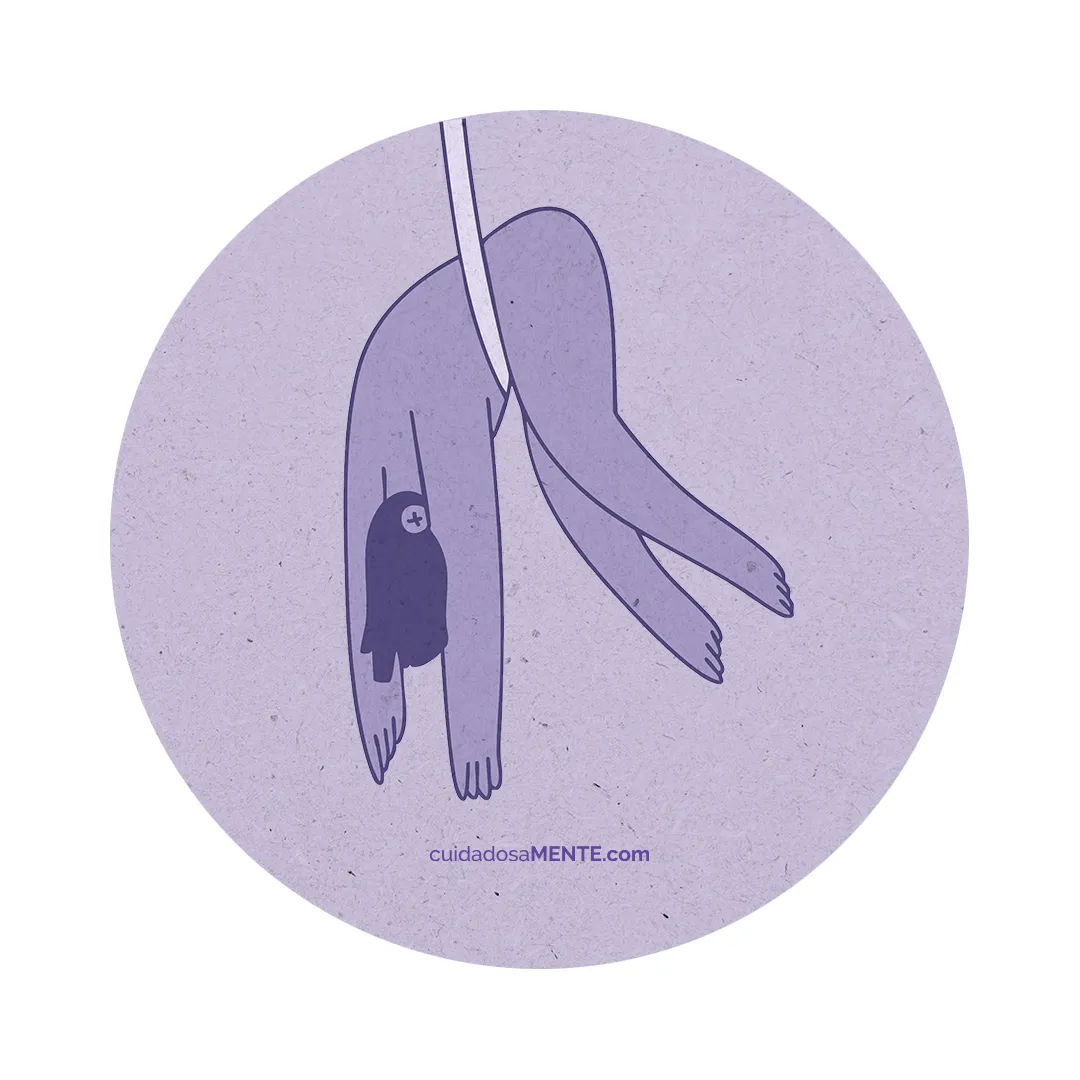
How to Overcome Emotional Dependency?
- Identify automatic thoughts: Keeping track of what you think when anxiety arises helps recognize patterns. For example, if your partner does not respond to a message, the automatic thought might be: “They don’t care about me anymore.” Observing it allows you to question it before reacting impulsively.
- Strengthen autonomy: Engaging in individual activities, making your own decisions, and reclaiming personal space helps reduce anxiety when separated. Emotional autonomy is built gradually, not overnight.
- Work on emotional regulation: Learning to tolerate emotions like fear, anxiety, or sadness without acting out of desperation is an important part of the process. Breathing exercises, mindfulness, emotional writing, or conscious pauses can be useful tools.
- Set boundaries: Developing assertive skills allows you to express needs without falling into excessive pleasing. This fosters more balanced relationships.
- Cognitive restructuring: Changing thoughts like “They are ignoring me” to more realistic ones, like “They might be busy,” helps reduce emotional intensity and generates a more adaptive response:
Practical Exercise: Thought Record
Situation
Automatic Thoughts
Emotion
Alternative Response
Not responding to messages
They don’t care about me
Anxiety
They might be busy
Going out without me
They are going to leave me
Fear
They have the right to their space
This exercise facilitates the development of critical thinking and emotional self-regulation.
When to Seek Professional Help?
It is advisable to seek therapy when emotional dependency causes significant distress, affects your daily life, or keeps you in harmful relationships.
Professional support allows you to work on deep-seated patterns and develop healthier emotional tools.
Healthy love is not based on need, but on the ability to choose from personal security.
Frequently Asked Questions About Emotional Dependency
Is emotional dependency love?
No. It may feel like love, but it is often more related to fear, anxiety, and the need for validation. Healthy love allows freedom, trust, and autonomy.
How can I tell if I have emotional dependency?
You might suspect it if you feel intense fear of abandonment, difficulty being without your partner, constant need for approval, or if you stay in a relationship that hurts you out of fear of being alone.
How can I overcome emotional dependency in a relationship?
The process usually includes strengthening self-esteem, learning to regulate emotions, reclaiming personal space, working on abandonment beliefs, and establishing clearer boundaries.
Can emotional dependency be addressed in therapy?
Yes. Therapy can help understand the origin of the pattern, modify dysfunctional thoughts, and develop tools to relate from a more secure place.
Can you love without being emotionally dependent?
Yes. Loving healthily means choosing to be with someone without losing yourself. Autonomy does not push love away; it makes it freer and more balanced.