
Self-Acceptance and Emotional Well-Being in Sexual Diversity
Discussing self-acceptance and emotional well-being in sexual diversity involves recognizing a reality many face daily: building a healthy relationship with oneself amidst prejudice.

Talking about self-acceptance and emotional well-being in sexual diversity involves recognizing a reality that many people live every day: building a healthy relationship with themselves within an environment filled with prejudice. Sexual orientation, gender identity, and various ways of expressing affection are part of the human experience.
When these dimensions can be expressed freely, there is a more stable self-esteem and mental health.
From psychology, we know that mental health does not depend solely on individual processes. It is also influenced by family, social, cultural, and even political factors. Therefore, discussing emotional well-being in LGBTIQ+ individuals requires looking at the context in which that experience develops.
What Does Self-Acceptance Mean in Sexual Diversity?
Self-acceptance is the ability to recognize and embrace who we are without constantly trying to fit into others' expectations. In the context of sexual diversity, it involves integrating one's sexual orientation, identity, or gender expression as a valuable part of personal identity.
This process tends to be different for each person. Some grow up in spaces where diversity is recognized and respected. Others face messages of rejection, prejudice, or invisibility that can generate doubt, guilt, or shame.
Self-acceptance is about developing a relationship with oneself based on respect, compassion, and authenticity, even during moments of uncertainty.
Why Does Self-Acceptance Influence Emotional Well-Being?
Psychological evidence shows that people who can live their identity authentically tend to experience higher levels of subjective well-being and life satisfaction.
When a person feels they must hide important aspects of themselves, significant emotional weariness arises. Maintaining a limited version of one's identity requires constant energy and can lead to stress, anxiety, or feelings of isolation.
Conversely, when personal acceptance exists, it becomes easier to:
- Build genuine relationships
- Express emotional needs
- Establish healthy boundaries
- Develop a stronger self-esteem
- Feel coherence between what one thinks, feels, and shows to the world
Authenticity does not eliminate all difficulties but creates a more stable emotional foundation to face them.
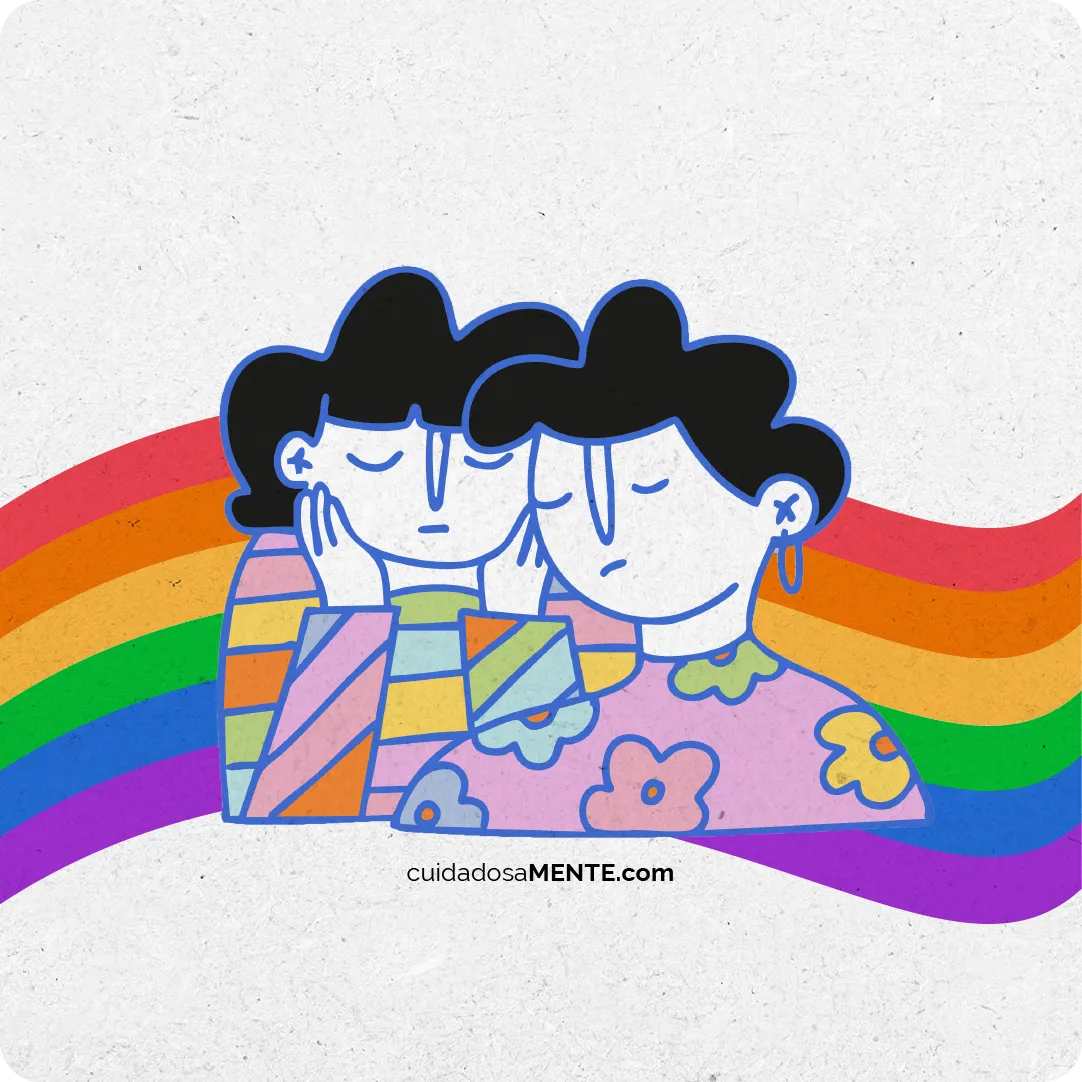
The Impact of Environment on Mental Health
Self-esteem is often discussed as if it were an exclusively individual responsibility. However, people build their identity within communities, families, schools, workplaces, and social contexts.
Therefore, the conversation about sexual diversity also includes the question of how to respect sexual diversity in different living spaces.
Respecting sexual diversity means recognizing that there are multiple legitimate ways to live sexual orientation and gender identity. It is not just about tolerating differences; it is also about creating environments where people can feel safe, heard, and valued.
When a person receives validation and support from their environment, they tend to develop greater emotional resources to face everyday challenges.
How Does Discrimination Influence Emotional Well-Being?
Discrimination does not always appear explicitly; it can manifest through seemingly harmless comments, jokes, social exclusion, or constant questioning about a person's identity.
Repeated exposure to these experiences can affect mental health in various ways:
- Increased chronic stress
- Feelings of loneliness
- Difficulties in self-esteem
- Social anxiety
- Greater emotional vulnerability
Recognizing these factors is important because it allows us to understand that many emotional difficulties also arise from concrete social experiences and not just from individual characteristics.
How to Strengthen Self-Acceptance?
Self-acceptance is a process that is built gradually. It does not usually appear immediately after understanding one's identity.
Some strategies that can support this journey include:
Seek Safe Spaces
Having people who listen without judgment can make a significant difference. Support groups, LGBTI+ communities, and meaningful relationships can become great sources of emotional validation.
Question Learned Beliefs
Many people discover that part of their wounds comes from messages received over the years about how they "should" be. Revisiting these beliefs allows one to distinguish between external expectations and personal needs.
Practice Self-Compassion
Self-compassion involves relating to oneself with understanding and care. Instead of responding to difficulties with constant criticism, a kinder attitude towards one's experience is developed. Treat yourself kindly.
Seek Psychological Support
Therapy can offer a space for exploration, understanding, and emotional strengthening. For many, it represents an opportunity to integrate their identity from a freer and more authentic perspective.
Sexual Diversity and Self-Esteem: A Deep Relationship
Self-esteem is built from multiple experiences. The messages we receive about who we are have a significant impact on how we perceive ourselves.
Therefore, promoting inclusion and understanding what sexual diversity is benefits not only LGBTQ+ individuals. It also contributes to creating emotionally healthier societies for everyone.
When someone feels they can exist without hiding fundamental parts of themselves, it becomes easier to develop trust, emotional security, and a sense of belonging.
How to Create Spaces That Respect Sexual Diversity?
Many people wonder how to respect sexual diversity in everyday life. While there is no single answer, some elements tend to make a significant difference:
- Listen without assuming others' experiences
- Use the name and pronouns that a person requests
- Avoid comments that reproduce stereotypes
- Recognize different ways of living identity and affection
- Promote inclusive environments in schools, businesses, and communities
Building respectful environments is a shared responsibility that has direct effects on collective mental health.
When a person can recognize themselves with respect and express who they are congruently, they tend to experience a more stable relationship with themselves. From there, it becomes easier to build meaningful connections, make decisions aligned with personal values, and develop a deeper sense of emotional well-being.
Frequently Asked Questions About Sexual Diversity
What is sexual diversity?
Sexual diversity refers to the various ways in which people experience sexual orientation, gender identity, gender expression, and emotional bonds. It recognizes that there is no single valid way to live these human dimensions.
Why is self-acceptance important for mental health?
Self-acceptance fosters a healthier relationship with oneself, strengthens self-esteem, and reduces the emotional wear associated with hiding important aspects of identity.
How to respect sexual diversity in everyday life?
By listening without prejudice, avoiding stereotypes, using respectful language, and promoting spaces where all individuals can express themselves safely and with dignity.
Can discrimination affect emotional well-being?
Yes. Discrimination, social rejection, and exclusion can generate stress, anxiety, isolation, and difficulties related to self-esteem.
Can therapy help during the self-acceptance process?
Yes. Psychological support can provide tools to understand one's experience, strengthen self-esteem, and develop emotional resources to face personal and social challenges.