
Understanding the Psychology of Bad Losers in Games
Exploring the emotional struggles of bad losers in games, their psychological needs, and how to cope with defeat.
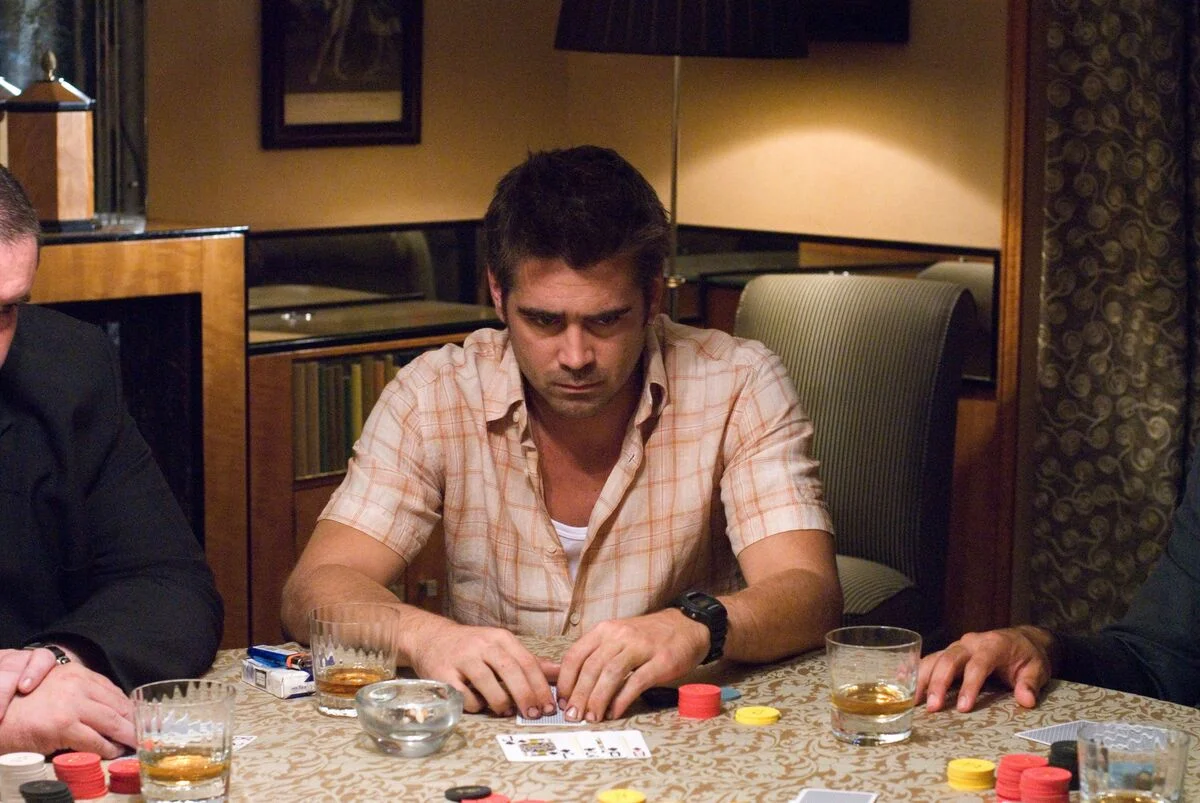
In the realm of competitive games, some individuals react to defeat with intense frustration and emotional turmoil. Often misunderstood, their struggles are deeply rooted in psychological needs. This article explores the underlying reasons behind their behavior and offers insights on how to navigate these challenges.
The Emotional Toll of Losing
For many, losing a game is simply part of the experience. However, for bad losers, it can feel like a significant blow to their self-esteem. Psychologist Annie Anzieu explains, "Some experience defeat as a profound wound to their self-worth, which is very painful because they suddenly feel completely devalued." Unlike those who can laugh off their mistakes, bad losers often view each point lost as a personal failure. Psychiatrist Marc Valleur adds that some individuals seek validation through games that they do not find in other areas of their lives, resulting in a constant need to prove they are the best.
More Than Just a Game
The stakes are much higher for bad losers than mere entertainment. According to Valleur, "The game is not the opposite of seriousness; it is the opposite of reality, a space where one reinvents their life." Playing games plays a crucial role in identity formation from childhood, where individuals explore different roles and scenarios. As one matures, the game becomes a metaphor for life itself. Anzieu notes, "Life is a long bet, a grand challenge: to live is to seek victory, even if it’s just against death." This perspective leads to a belief that losing in a game equates to losing in life.
The Desire for Control
For some, games represent an opportunity to experience victories that real life may not provide. However, the more one invests in the game, the greater the potential for disappointment. Valleur explains, "When faced with life's uncertainties, the game provides reassurance. There are rules, and outcomes are proportional to effort, making it seem more just than life itself." In this context, the game becomes a battleground for self-worth, where losing feels like a personal defeat.
Anzieu reflects on how childhood aspirations of being champions linger into adulthood, stating, "The game embodies this infantile desire for omnipotence over others and the situation." The line between "I lost" and "I am lost" can become blurred, suggesting that growing up involves learning to cope with these feelings, starting with something as simple as a game of dice.
Tips for Bad Losers
Rediscover the Joy of Playing
It's essential to differentiate between games. Focus on those that bring joy and allow yourself to be a serious player. At the same time, engage in lighter games with less emotional investment, such as playing with children. This enjoyment can lead to a broader appreciation for all forms of entertainment.
Embrace Personal Growth
As we mature, taking an active role in our lives can yield satisfaction. For adults, games should serve their original purpose: to entertain and relax. If accepting defeat remains a struggle, it may indicate deeper conflicts with life itself. Seeking therapy could be beneficial, as suffering is not a game.
Guidance for Friends and Family
When dealing with a bad loser, it's crucial to find a balance. For certain games, let loose and have fun; for others, adapt to their playing style. Avoid mocking them, as it can be as hurtful as confronting someone with a phobia. However, understanding does not mean enabling. For parents, it’s vital not to let children win just to avoid their distress. Instead, explain that losing is a part of life and not something to fear.
Personal Experience
Marc, 28, Translator: "I have more confidence in myself and less need for validation" "I only play if I’m sure I can win, almost as if proving my worth. In life, I dread failure; I tend to be cautious. At least in games, I can try. My parents always let me win when I was young. But with friends, things changed, and I realized I was a bad loser! I would get irritable and throw things when I lost.
I feel ashamed when I think about it. What frustrated me was knowing I did my best to win, only to feel it was unjust. I would brood over it and want revenge. Now, even though I still struggle to laugh it off, I've gained more perspective. I have more confidence and less need for validation, especially in team games where losing isn't solely on me. I enjoy myself more, and I almost forget my urge to win. However, my friends still label me a 'bad loser,' making it harder to overcome."
Further Reading
- Le Jeu pathologique by Marc Valleur and Christian Bucher. This book offers a comprehensive study of gaming addiction and its mechanisms (Armand Colin, 2006).
- Le Jeu en psychothérapie by Annie Anzieu, Christine Anzieu-Premmereur, and Simone Daymas. This text discusses the significance of play in the development and therapeutic treatment of children and adolescents (Dunod, 2007).