
Understanding and Overcoming Seasonal Affective Disorder
Explore how seasonal changes influence mood, the causes of seasonal affective disorder, and effective coping strategies.

Have you noticed how your mood shifts with the sun and weather?
How do you feel on a cloudy day? What about when it rains?
Do your routines change with the seasons?
Many people experience fluctuations in their mood as the seasons change, particularly during grey, rainy, or cold days, and even more so in autumn when leaves fall. There is a reason behind this phenomenon, which we will explore further.
What Causes These Feelings?
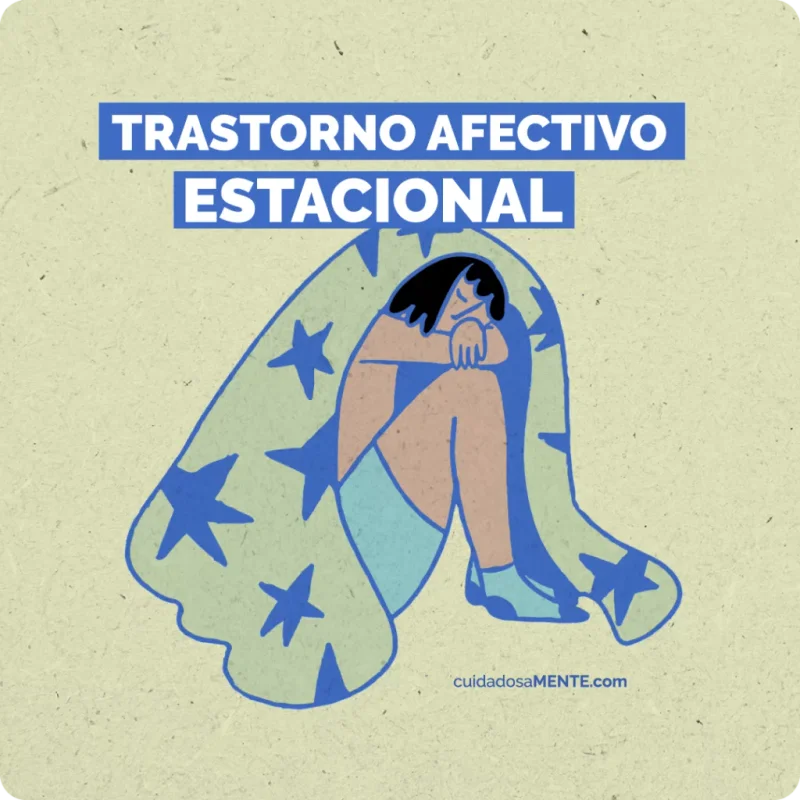
This condition is known as seasonal affective disorder (SAD), a type of depression that occurs in relation to seasonal changes.
Typically, it manifests more frequently in autumn or winter, when natural sunlight is scarce, and tends to improve as spring or summer arrives. Studies indicate that SAD is more prevalent among women than men. It is also more common in northern regions, such as Nordic countries, where extreme weather results in limited sunlight exposure.
Diagnosing seasonal affective disorder is clinical and relies on a recurrent pattern of winter depression. Additional tests may be conducted to rule out other causes. According to the DSM-V, the diagnostic criteria include:
A. A regular temporal relationship between the onset of major depressive episodes and a specific time of year (e.g., in autumn or winter).
B. Total remissions (or a shift from major depression to mania or hypomania) at a particular time of year (e.g., depression disappears in spring).
C. In the past two years, there have been two major depressive episodes that demonstrate a seasonal relationship and non-seasonal major depressive episodes during the same period.
D. The number of seasonal major depressive episodes significantly exceeds that of non-seasonal major depressive episodes the individual may have experienced throughout their life.
What Are the Causes of SAD?
- Vitamin D Deficiency: Known as the “sunshine vitamin,” vitamin D is produced when the skin is exposed to sunlight. In winter, reduced sun exposure may lead to lower vitamin D levels, which has been linked to seasonal depression.
- Melatonin Production Disruption: Melatonin is a hormone that regulates sleep and wake cycles. Lack of light during winter months can disrupt melatonin production, causing excessive daytime sleepiness and contributing to depressive symptoms.
- Genetic Factors: Like other forms of depression, a family history of depressive disorders may increase the risk of developing seasonal affective disorder. Research suggests that individuals with close relatives who have experienced SAD are more likely to encounter this condition themselves.
- Other Psychological and Social Factors: Seasonal affective disorder can also be influenced by stress, social isolation, or lack of emotional support. Additionally, changes in routines during winter, such as holidays or the start of a new school year, may contribute to the disorder.
How Can I Cope?
Although seasonal changes are unavoidable, there are steps you can take to mitigate symptoms:
- Maintain a regular routine and engage in physical activity (the consistency matters more than the weather). This can enhance your mood and stimulate the natural production of endorphins.
- Socialize and spend time with loved ones.
- Practice breathing techniques or meditation to stay present.
- Follow a balanced diet.
- Ensure warm and pleasant lighting in your home.
- Consider seeking therapeutic help if symptoms remain severe.
- Consult a psychiatrist to evaluate the need for antidepressants or supplements like vitamin D.
Is There a Specific Therapy for Seasonal Affective Disorder?
Yes, light therapy or phototherapy is available, which involves exposure to a light source. This therapy is believed to cause significant changes in the brain by regulating neurotransmitters.
Light therapy alleviates symptoms of seasonal affective disorder, such as fatigue and sleep cycle disruptions, and can also assist individuals suffering from sleep disorders or insomnia.
Light therapy entails sitting near a specially designed light box that emits an intensity of light much higher than ambient light while simulating sunlight without the harmful effects of ultraviolet (UV) radiation.
There are several theories on how light therapy may benefit those with SAD:
Regulation of Circadian Rhythms:
These 24-hour biological cycles regulate sleep, wakefulness, and other physiological functions. Circadian rhythms are influenced by natural daylight. For those with seasonal affective disorder, reduced sunlight during winter months can disrupt these rhythms, leading to fatigue, sleep disturbances, and depression.
Light therapy helps regulate these rhythms, potentially improving sleep quality and restoring emotional balance.
Stimulation of Serotonin Production:
Bright light can also increase serotonin release in the brain, which plays a crucial role in regulating mood, sleep, and appetite.
A deficiency in serotonin levels may contribute to depression, so increasing light exposure can be beneficial for mood enhancement.
Suppression of Melatonin:
Melatonin is a hormone that regulates sleep and its production increases in response to darkness.
For those with SAD, limited sunlight exposure during winter can lead to excessive melatonin production, causing daytime sleepiness and worsening depressive symptoms. Light therapy helps suppress the overproduction of melatonin, promoting wakefulness.
It is advisable to consult a mental health professional to tailor treatment according to individual needs. With the right approach, light therapy can be a powerful tool against the effects of seasonal depression, aiding individuals during the fall and winter months.
It is important to note that this type of therapy does not replace previously mentioned treatments and should be pursued alongside a mental health professional.
In conclusion, seasonal affective disorder is a real condition that affects many individuals during the darker, colder months of the year. However, it is treatable, and recognizing the symptoms and seeking professional help can make a significant difference in managing them.