Understanding Emotional Disconnection and Rediscovering Joy
Many individuals experience emotional disconnection, impacting their ability to enjoy life. Understanding anhedonia and seeking help can lead to rediscovering joy.

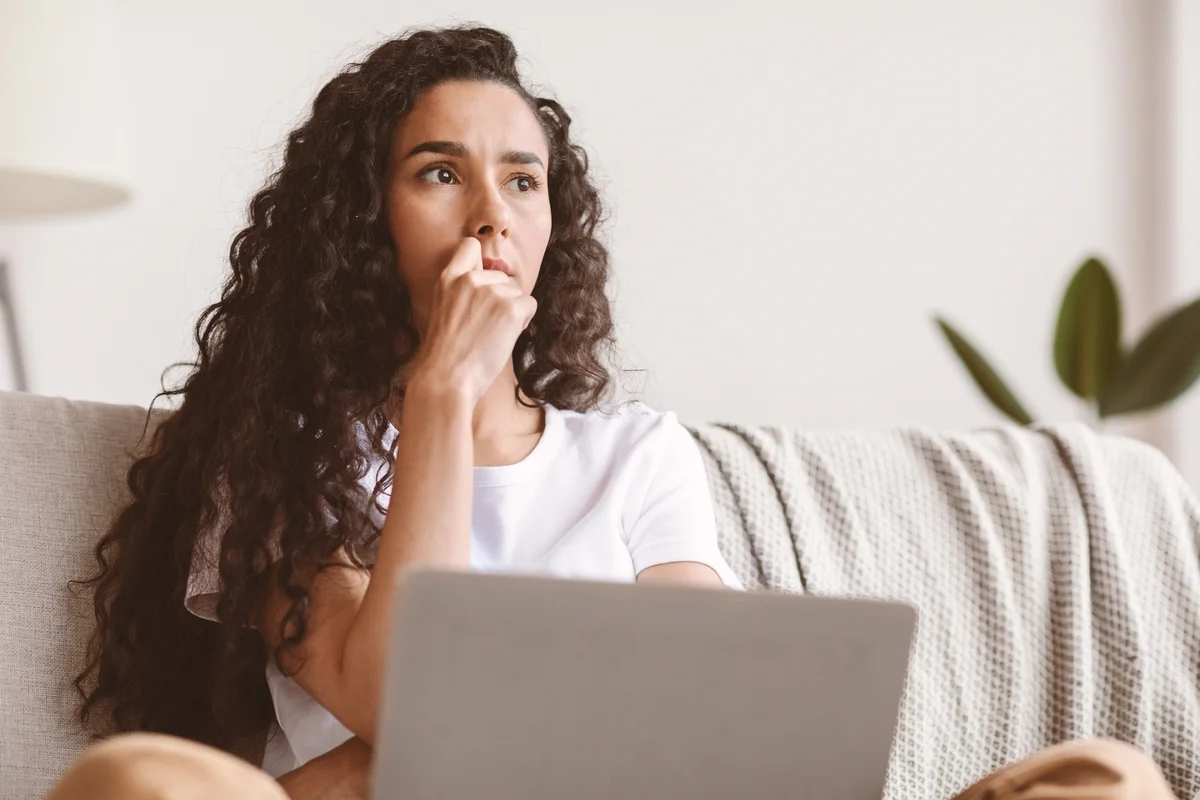
In today's world, the pursuit of happiness and enjoyment is often seen as a universal goal. However, many individuals find themselves facing a disconnect from their emotions, which can hinder their ability to enjoy activities that once brought them joy.
The question, "Why can't I enjoy anything?" frequently arises, highlighting an internal struggle that impacts mental health, quality of life, and interpersonal relationships.
This emotional disconnection can be influenced by various social and cultural factors, particularly the pressure to be productive. Psychological issues such as stress, depression, and anxiety can also play a significant role, with a common symptom being anhedonia.
What is Anhedonia?
Anhedonia is characterized by a reduced ability to experience pleasure and enjoyment. This condition can manifest in different ways and can be both physical and social in nature.
Physical anhedonia refers to the inability to derive pleasure from sensory activities, such as eating or listening to music. On the other hand, social anhedonia involves a loss of interest in social relationships and activities that were once enjoyable.
This complex symptom can be found in various mental health issues, including depression and anxiety, but it can also be a temporary reaction to stress or exhaustion. If you suspect you might be experiencing anhedonia, it's crucial to avoid self-diagnosing, as this can lead to misunderstandings. Seeking help from a mental health professional, such as a psychologist or psychiatrist, is essential for proper evaluation and support. A professional diagnosis allows for a comprehensive approach to the problem and helps in developing a personalized intervention plan.
Common Causes of Enjoyment Loss
Several factors can contribute to the loss of enjoyment and the development of anhedonia. Some of the most prevalent include:
- Depression and anxiety: Depression affects the regulation of key neurotransmitters like serotonin and dopamine, which are vital for the brain's reward system. Anxiety can create a constant state of alertness, making it difficult to relax and enjoy the moment.
- Chronic stress and burnout: Living in a continuous state of stress can overwhelm the nervous system, keeping individuals in a "survival mode" that inhibits enjoyment and relaxation.
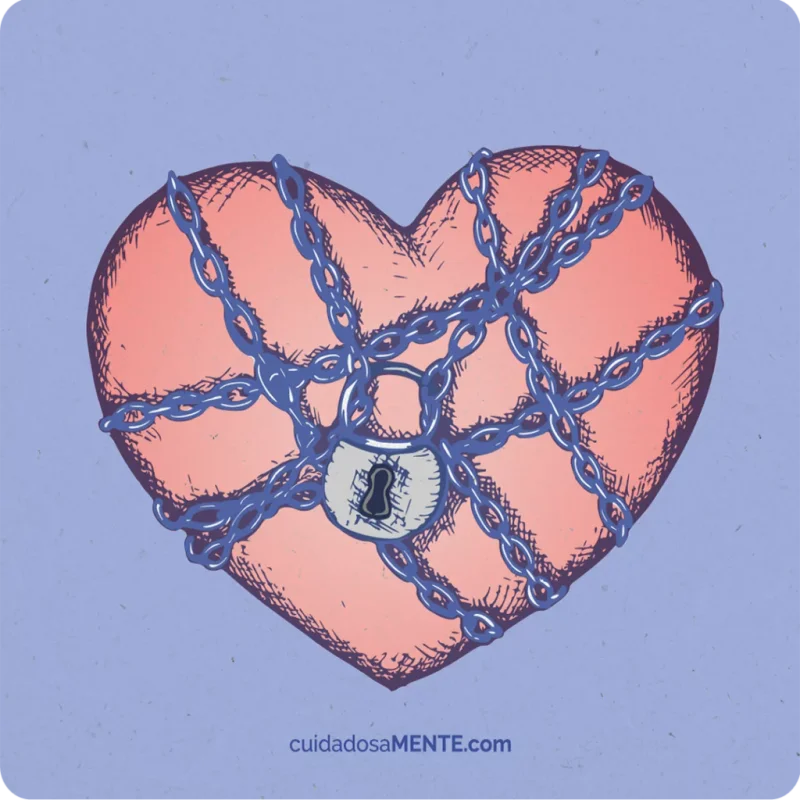
- Emotional disconnection: Emotional detachment can arise as a defense mechanism against painful experiences. While it may protect from emotional pain, it simultaneously diminishes the capacity to feel pleasure and joy.
- Unrealistic expectations or social pressure: The relentless pursuit of achievements, coupled with societal pressure to "be happy" and "enjoy life," can lead to frustration and emotional exhaustion, distancing people from their ability to appreciate simple pleasures.
Social and Cultural Factors
In societies that prioritize productivity and success above all, the notion that leisure time is wasted can emerge. This mindset may lead individuals to feel guilty or anxious for not being "productive," even during moments meant for relaxation.
Additionally, social media can amplify unrealistic expectations regarding enjoyment. Constant comparisons with others can distort reality and make individuals feel their own experiences of pleasure are inadequate. These influences can profoundly affect how people perceive and experience enjoyment.
How to Rediscover Pleasure
While anhedonia can pose challenges, there are strategies to help individuals rediscover enjoyment in life. Some effective approaches include:
- Psychological therapy: Anhedonia can be addressed through various psychotherapeutic methods. Cognitive-behavioral therapy (CBT) can assist in identifying and altering negative thought patterns that contribute to anhedonia. Humanistic therapies are also effective for exploring emotions and reconnecting with personal desires and needs. Other approaches, such as Acceptance and Commitment Therapy (ACT), can be beneficial as well.
- Practicing mindfulness and self-observation techniques: Mindfulness encourages present-moment awareness, allowing individuals to observe their thoughts and emotions without judgment. This practice can enhance enjoyment of the present and reduce anxiety.
- Identifying small moments of gratitude and pleasure: Focusing on minor yet significant moments of gratitude can help restore sensitivity to pleasure. Gratitude boosts well-being and facilitates appreciation for everyday experiences.
- Trying new activities: Exploring different activities can uncover new sources of enjoyment. Variety helps break routines and activates the brain's reward system, aiding emotional reconnection.
Enjoyment and Mental Health
Difficulty in experiencing pleasure can signal that attention is needed regarding one’s mental health.
The first step toward recovery is understanding that anhedonia and apathy are not merely a “lack of interest,” but rather a complex psychological phenomenon. With psychological support, self-care, and practices like mindfulness, it is possible to find meaning and joy in life. This journey is personal, and while it may take time, the capacity to enjoy life is always within reach.
Professional assistance and social support are crucial in reminding individuals that enjoyment, even when it seems distant, can be reclaimed.
For those interested in delving deeper into this topic, I recommend reading “The Happiness Trap” by Russ Harris, which outlines the principles of Acceptance and Commitment Therapy (ACT) and discusses how expectations of happiness can become a trap that leads to more suffering. This book can guide you in accepting your emotions without judgment and reconnecting with experiences of pleasure and purpose.