
Understanding Psycho-Oncology: Transforming Cancer Care
Explore psycho-oncology, a vital discipline that integrates psychological support into cancer care, enhancing emotional well-being for patients and their families.
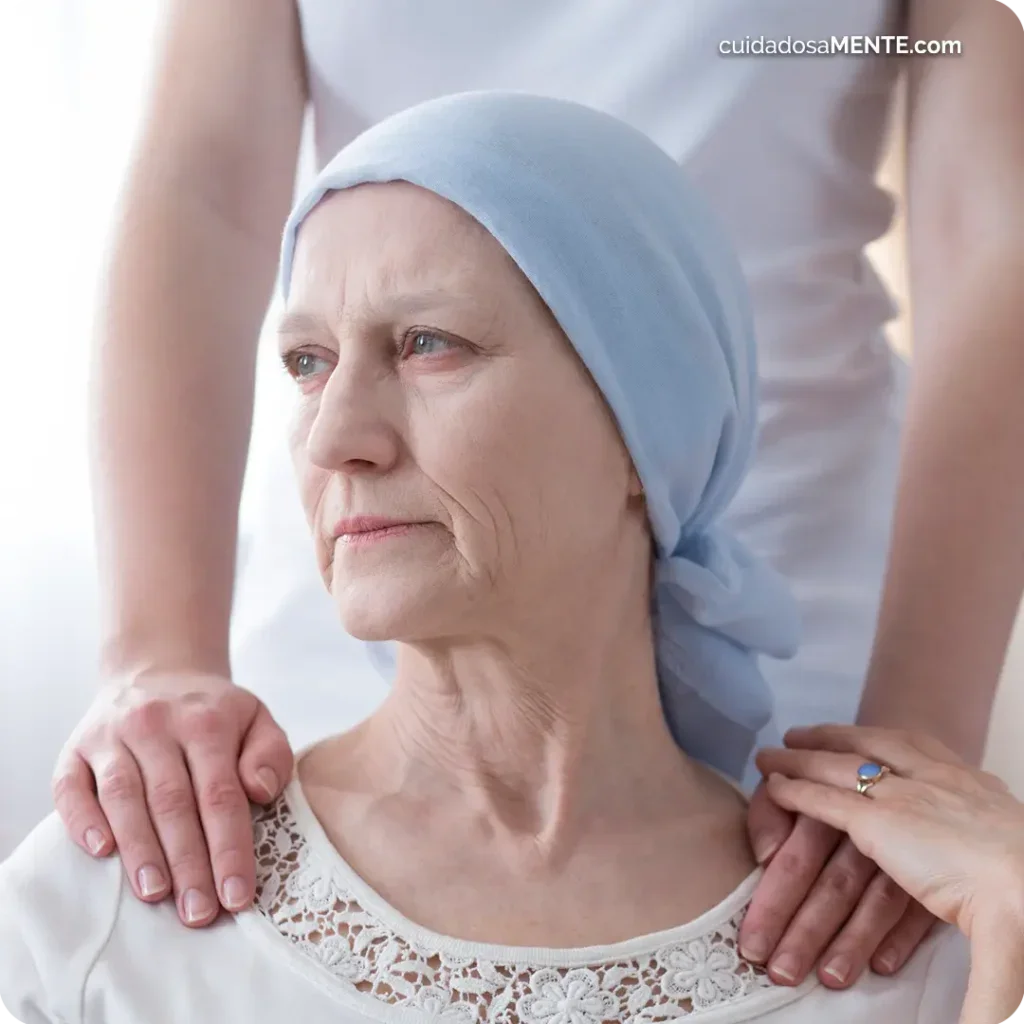
Introduction
Psycho-oncology is an emerging field that merges psychology with oncology, aiming to provide emotional support and enhance the quality of life for cancer patients. This discipline is essential not only in assisting individuals during their medical treatments but also in addressing the psychological impact at every stage of the illness. In countries like Mexico, where cancer rates continue to rise annually, psycho-oncology is becoming increasingly vital for comprehensive and compassionate patient care.
What is Psycho-Oncology and Its Importance?
Psycho-oncology focuses on the emotional, social, and behavioral aspects associated with cancer. It seeks to understand how a cancer diagnosis, along with treatment and the accompanying uncertainty, affects a person's emotional state. The primary goal is to equip patients with coping mechanisms to reduce anxiety, depression, and emotional distress.
In Mexico, institutions such as the National Institute of Cancerology are beginning to integrate psychological support services, indicating a growing recognition of this discipline's importance.
The Role of Psycho-Oncologists
Psycho-oncologists perform several critical functions:
- Emotional Impact Processing: They assist patients in processing the emotional ramifications of their diagnosis.
- Coping Strategies: They teach coping tools to manage the challenges of chemotherapy, radiation, and other treatments.
- Communication Strategies: They provide guidance on discussing the illness with loved ones.
- Decision-Making Support: They help patients navigate difficult decisions, such as treatment changes or palliative care options.
- Mental Health Interventions: They address issues like anxiety, insomnia, or depression linked to cancer.
This support transforms the experience of medical treatment from an overwhelming burden into a more manageable process, allowing patients to maintain their dignity and well-being.
Psycho-Oncology in Mexico: A Growing Field
While psycho-oncology has been established for decades in Europe and the United States, its development in Mexico has been more gradual. Nevertheless, institutions such as the Mexican Institute of Psycho-Oncology are emerging, promoting specialized academic and clinical programs.
More hospitals, both public and private, are incorporating psycho-oncologists into their multidisciplinary teams, and academic programs are being introduced to train professionals in this holistic approach. This shift addresses a crucial need: cancer affects not only the physical health of individuals but also their mental health and that of their families.
Impact on Families: Beyond the Patient
{{img:123}}
Cancer's impact extends beyond the individual diagnosed; it also significantly affects family members. Loved ones often experience fear, uncertainty, and the burden of caregiving. Psycho-oncology includes interventions aimed at family members, teaching them effective communication techniques, stress management, and ways to prevent emotional burnout.
When families receive psychological support, patients feel more supported, enabling them to better cope with their treatments.
Real-Life Applications of Psycho-Oncology
The benefits of psycho-oncology have been documented across various clinical settings, with key outcomes including:
- Improved Treatment Adherence: Patients who understand their situation and receive emotional support are more likely to follow medical advice.
- Reduction of Emotional Symptoms: Therapy can lead to significant decreases in anxiety and depression.
- Enhanced Quality of Life: Even in advanced stages, support helps individuals focus on well-being rather than solely on their illness.
- Better Communication with Medical Teams: Emotionally supported patients feel more confident expressing their questions and needs to healthcare providers.
These outcomes not only influence medical results but also contribute to a greater sense of well-being for the individual.
Resources and Options Available in Mexico
Today, psycho-oncology services are accessible in both public and private hospitals, as well as through remote consultations, making it easier for those living in remote areas to receive care.
Online psychological support allows for continuity of therapy and reduces travel time, providing reliable psychological assistance in various areas, including psycho-oncology. If you or a family member require support, this is a trustworthy option.
Expert Opinions
The World Health Organization emphasizes that cancer patient care must encompass both physical and psychological aspects. Neglecting the emotional needs of patients can result in incomplete treatment.
Research from the National Cancer Institute in the U.S. illustrates how psychological support can significantly enhance patient adaptation, reinforcing the efforts that professionals in Mexico are already implementing in their daily practice.
Frequently Asked Questions
Does psycho-oncology replace medical treatment?
No, it complements the work of oncologists, nurses, and other specialists by addressing emotional and social aspects.
Where can I find psycho-oncologists in Mexico?
Options are available in specialized hospitals, the Mexican Institute of Psycho-Oncology, and in private consultations, both in-person and online.
Is psycho-oncology only for patients?
No, support is also provided to family members and caregivers who experience significant emotional strain.
Is accessing psycho-oncology expensive?
Costs vary by institution. Some public hospitals include it in their services, while private consultations may differ in price.
Can psycho-oncology be received online?
Yes, secure platforms are available for virtual sessions, which is especially beneficial for patients undergoing treatment or those with limited mobility.