
What is Happiness from a Psychological Perspective (and What It Is Not)
When we talk about happiness from a psychological perspective, we are not referring to a permanent state of joy or a goal that is reached and maintained intact. In reality, happiness is a dynamic process that involves learning to relate to one’s own emotions.
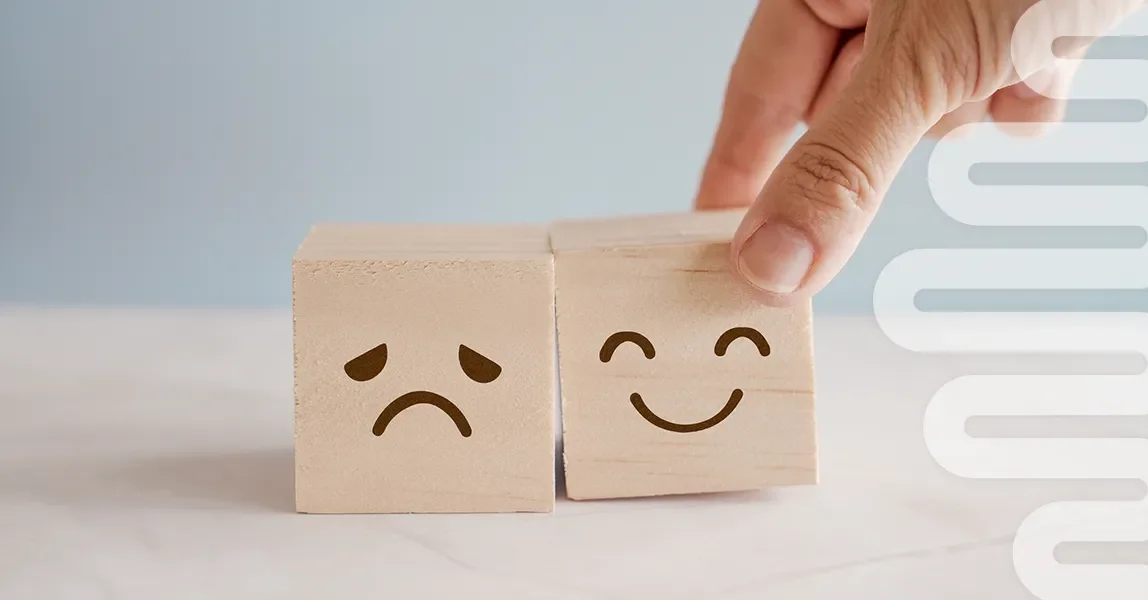
When we talk about what happiness is from a psychological perspective, we are not referring to a permanent state of joy or a goal that is reached and maintained intact.
In reality, happiness is one of the most questioned concepts in human life, but also one of the most controversial. This happens because each person understands it differently. There is no single definition.
Each person builds their own idea of happiness based on their history, experiences, and beliefs. All of this is constructed over time and ultimately gives it a unique meaning.
How Does Psychology Define It?
In psychology, happiness is often explained through the concept of subjective well-being. This refers to how individuals experience and evaluate their own lives.
This well-being is built from three important components:
- Positive emotions: moments of joy, calm, or gratitude
- Negative emotions: uncomfortable experiences that generate sadness, anger, or fear, which are also part of life
- Life satisfaction: humans cognitively evaluate the quality and meaning of our daily lives.
From this perspective, happiness is not about being well all the time, but about creating an emotional balance where it is understood that positive emotions and unpleasant experiences are part of a human process that can be managed healthily through self-regulation and emotional management.
Likewise, it is important to achieve a life perspective that invites us to reframe that not everything is perfect, but rather part of a continuous human process.
Are There Different Types of Happiness?
Yes. Psychology mainly distinguishes two ways of understanding happiness:
Hedonic Happiness
This refers to happiness based on immediate pleasure and well-being, focusing on maximizing pleasurable emotions and minimizing discomfort.
The problem is that this type of happiness is temporary, as pleasurable states cannot be permanent by nature, and most of the time they are brief.
This could generate a constant state of frustration and generally causes chronic fatigue in humans, as they are constantly seeking to maintain this type of happiness.
Eudaimonic Happiness
This is related to meaning in life, personal growth, and self-actualization.
It involves living according to your purposes and values, with the goal of building a coherent life, knowing that this construction implies a learning process where challenges are often assumed, as well as naturally going through complex moments.
Unlike hedonic happiness, eudaimonic happiness does not depend on just “feeling good all the time” but on living with purpose and congruence.
Why Do We Believe We Should Be Happy All the Time?
Much of this idea comes from social and cultural messages that associate happiness with success, consumption, or the absence of problems.
However, this narrative often generates unrealistic expectations, as the functioning of the human brain is oriented toward survival, not continuous happiness.
Therefore, there is a greater sensitivity to the negative, and it is important to know that emotions like fear, anger, and sadness are fundamental to our human experience, as without them it would be impossible to self-regulate and generate self-knowledge.
For many people, these emotions are uncomfortable, and they would prefer not to experience them. However, we actually need them, as without anger we wouldn’t know when to set boundaries, without fear we wouldn’t know when to protect ourselves and how to do so, and without sadness, we couldn’t generate introspection about the changes we need to make in our lives.
That is why unpleasant emotions serve essential adaptive functions. Therefore, experiencing discomfort is not only inevitable but also necessary for psychological balance.

Common Myths About Happiness (and Why They Don’t Help)
In our immediate contexts such as family, friends, or society in general, there are various beliefs that influence our way of thinking and behaving regarding happiness.
Some myths about happiness include:
“You should be happy all the time”
This is not sustainable. No one is, even if it sometimes seems that way. So if someone appears to be happy all the time, we are probably only observing a part of their life.
“Happiness depends on what happens to you”
It definitely influences, but it’s not the only factor. It’s not just what happens to us; it’s how we process it, how we interpret it, and what we do with it.
“When I achieve X, then I will be happy”
This myth leads to living on pause. That is, as if real life starts after achieving a certain goal. Well-being is often momentary; then a new goal appears, and the experience repeats.
“Being happy means not having problems”
People who feel good about their lives are not those who have no problems, but those who have developed tools to face them and deal with them without losing their emotional stability.
“If you’re not happy, something is wrong with you”
This myth turns a natural human experience into a personal defect. Not feeling well all the time doesn’t mean you’re wrong. Sometimes it just means you’re going through a complex experience that needs to be processed.
Happiness is not something that is found or something that is maintained intact all the time. Perhaps the most important change is not “how to be happy,” but rather to stop fighting against the moments when you are not, then happiness becomes more sustainable.
Can You Learn to Be Happy?
Yes, and the beginning consists of understanding that human life is a constant ebb and flow of emotions, accepting that our existence will always be filled with nuances, lights, and shadows, which we need to embrace, accept, and manage. This means learning to build conditions that make it more likely for you to feel good about your life, and those conditions have more to do with internal habits than with external circumstances. For example:
- Understanding what you feel instead of avoiding it
- Questioning automatic thoughts
- Developing self-knowledge
- Setting boundaries without guilt
- Choosing relationships that add value
However, generating these conditions also involves a deconstructive process, which is not immediate. It takes time, practice, and, in many cases, professional support. Therefore, it is necessary to be kind to ourselves along the way.
So, What Is Happiness Really?
Happiness, from a psychological perspective, is not a permanent state nor a goal that is definitively reached.
It is a dynamic process that involves learning to relate to one’s own emotions, accepting and embracing chaos, in order to develop internal resources and build a life with purpose and meaning.
Rather than asking yourself how to be happy all the time, it may be more useful to ask yourself:
What kind of life is worth building, even when not everything feels good?
Frequently Asked Questions About Happiness
What is happiness in a few words?
It is the way a person evaluates and experiences their life, including emotions and personal meaning.
Does happiness depend on money or success?
They influence it, but do not determine it. Emotional well-being also depends on internal and relational factors.
Is it normal not to feel happy all the time?
Yes. It is completely normal and necessary for psychological balance.
How can happiness be improved according to psychology?
By working on self-knowledge, emotional regulation, and building a meaningful life.
Does therapy help to be happier?
Yes. It can help you understand yourself better, manage emotions, and develop tools for well-being.