
Do You Watch a Series Every Night? Dr. Sanjay Bhojraj Warns of an Often-Underestimated Risk to the Heart
Dr. Sanjay Bhojraj warns about the risks to heart health associated with common evening habits. Discover 7 habits to avoid for better sleep and cardiovascular health.

Do You Watch a Series Every Night? Dr. Sanjay Bhojraj Warns of an Often-Underestimated Risk to the Heart
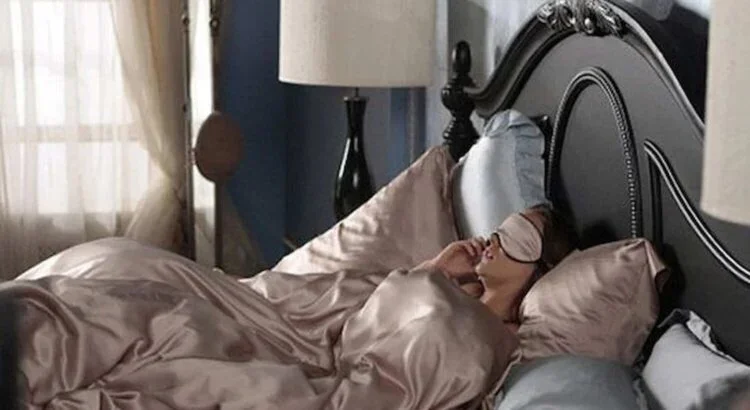
Protecting your heart means prioritizing good sleep. Here are the 7 habits to avoid just before bedtime.
Our daily habits impact our cardiovascular health. This is why we encourage you to take care of yourself as early as possible. Who better than a cardiologist to explain the harmful actions often taken in the evening? In an article published on CNBC, Dr. Sanjay Bhojraj discusses all the habits to avoid after 7 PM to preserve the organ responsible for blood circulation in the body.
1. Watching My Favorite Series
"Just one episode, and then I’ll sleep". This entertainment is tempting. However, "your nervous system doesn’t differentiate between the show and reality," explains the cardiologist. This means that the stress generated by a scene of conflict, anger, or sadness activates your sympathetic nervous system. This, in turn, increases heart rate and blood pressure.
Studies published in the Journal of Clinical Medicine have already proven the link between stress (acute or chronic) and endothelial dysfunction, affecting the endothelium. What is it? It’s a thin layer of cells that line blood vessels. Be careful, this doesn’t mean you shouldn’t watch series. Just avoid hitting play in the evening. Otherwise, you increase your stress levels and risk disrupting your sleep.
2. Exercising
Physical activity and exercise are crucial for good heart health. But it should be avoided in the evening. Why? "Intense workouts late in the evening keep cortisol levels high and delay the transition from 'fight or flight' mode to 'rest and repair' mode," states Dr. Sanjay Bhojraj. The result: it can delay falling asleep, increase nighttime heart rate, and reduce its variability.
We can already hear you saying "but what if we don’t have time during the day?" Certainly, it’s better to move your body than to do nothing at all. In this case, the expert recommends avoiding intense activity after 9 PM. Perhaps you can save it for the weekend and replace it with a gentler activity like yoga?
3. Eating Late at Night
The most common mistake is indeed dining late at night. Your metabolism follows circadian rhythms. These are natural biological cycles that last about 24 hours and help regulate many functions in your body. "In the evening, insulin sensitivity decreases, and the body metabolizes glucose and lipids less efficiently".
Late meals are therefore associated with postprandial hyperglycemia (elevation of blood glucose levels), disrupted lipid metabolism, and increased inflammation. All detrimental to the heart. Conversely, earlier meals promote healthy blood pressure, better blood sugar control, and improved cardiovascular risk markers. Not to mention that digesting during your sleep disrupts all nighttime repair.
4. Intense and LED Lights
Prefer warm lights and lamps at eye level. This recreates the lighting of sunset. Why is this important? A study published in JAMA Network established a link between nighttime light exposure and an increased risk of coronary artery disease (thus, arteries), as well as disruption of normal nighttime blood pressure variations.
The cause is related to a disruption in melatonin production, the hormone responsible for regulating your sleep, controlling blood pressure, and the antioxidant activity of the cardiovascular system.
5. Drinking Alcohol
It’s no longer a secret. Alcohol is bad for health. In the context of this article, it is also very harmful to sleep. Even when consumed in moderation on a festive evening. This particularly widespread substance in France suppresses REM sleep (the phase where brain activity is intense and dreams occur) and harms melatonin, as mentioned above.
As a reminder, if you think you need help regarding your alcohol consumption, you can contact alcool-info-service.fr at 0 980 980 930, available 7 days a week from 8 AM to 2 AM.
6. Having Emotionally Charged Conversations
In the evening, you need calm. Emotionally charged conversations should therefore be postponed until the next day, if possible. As the cardiologist says: "Anger and emotional stress have real cardiovascular consequences".
Imagine: you have a heated argument with a loved one before sleeping. This dispute floods you with stress hormones at the very moment your body should be relaxing. Consequently, this causes a spike in cortisol, a variation in heart rate, and a possible triggering of arrhythmias in cardiac patients. It’s impossible to have a peaceful night after that. So, ask to postpone the discussion. Moreover, isn’t it said that the night brings counsel? It’s an opportunity to exchange thoughts calmly.
7. Exposing Myself to Screens
This last point is probably the hardest to adhere to. Yet, the facts are there. Phones, tablets, and televisions emit blue light that delays melatonin release and shifts the circadian rhythm. Often, this leads to late sleep onset and decreased sleep quality. You already know the drill by now: chronic sleep disorders are independently associated with hypertension, insulin resistance, inflammation, and increased cardiovascular risk.
Now, you have all the keys in hand to enjoy beautiful nights! If you have any other questions on this topic, feel free to discuss them with your healthcare professional who can provide you with guidance.