
Emotional Exhaustion in Mothers
Emotional exhaustion in mothers is often normalized, but it doesn't have to be that way. Understanding its signs and causes can help mothers address their needs and improve their well-being.

Emotional exhaustion in mothers is not easy to identify as it is often normalized because "that's motherhood." But it doesn't have to be that way. Talking about this will help us start naming an experience that many women go through, in contexts where the pace and daily demands intensify this burden.
What is Emotional Exhaustion in Mothers?
Emotional exhaustion in mothers is a state of psychological weariness that persists over a long period of time where the capacity for emotional response begins to diminish.
Many mothers describe this feeling as "being on autopilot." They fulfill, resolve, and are present, but internally something is fading away.
Signs of Emotional Exhaustion in Mothers
Recognizing these signs is the first step to intervene in time. Some of the most common include:
- Extreme fatigue, even after resting
- Irritability or low tolerance for frustration
- Lack of motivation or disconnection from activities that were once enjoyable
- Difficulty concentrating
- Persistent guilt, no matter what you do
- Emotional disconnection with children, partner, or yourself
These signs do not appear overnight; they accumulate over time. That’s why it’s important not to minimize them.
What are the Causes of Emotional Exhaustion in Mothers?
The causes of emotional exhaustion in mothers are numerous and often invisible.
Constant Mental Overload
Thinking about everything that needs to be done involves planning, anticipating, remembering, and solving without breaks.
Lack of Support Networks
Many mothers face parenting with little support. Even when there is a partner, the distribution of responsibilities is not always equitable.
Unrealistic Expectations
The idea of being a "good mother" is often laden with impossible demands. Being present, patient, productive, loving, and not failing at anything.
Putting Yourself Last
Little by little, self-care gets postponed. Eating quickly, sleeping poorly, not having personal space—all of this adds up.
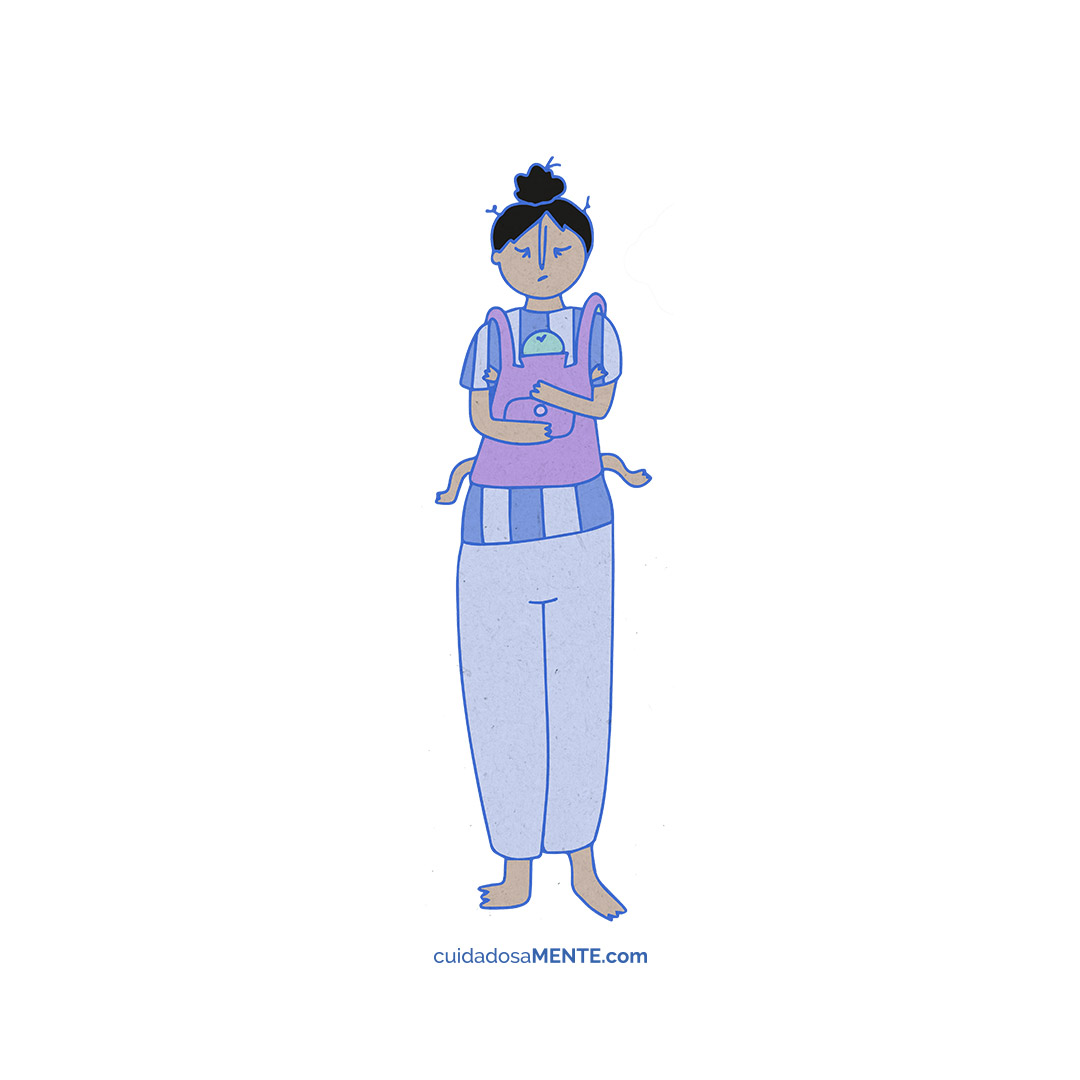
Why Do So Many Mothers Feel Guilty for Admitting They Are Exhausted?
Because for years, motherhood has been associated with the idea of total dedication. Many women grew up seeing models of mothers who could handle everything and rarely talked about their own limits.
Then a difficult contradiction arises: they love their children deeply but at the same time feel overwhelmed. And instead of listening to that exhaustion, they try to push themselves harder.
Guilt often leads many mothers to minimize their own needs. They postpone rest, personal space, therapy, or uncomfortable conversations because they feel that everything else takes priority.
How to Know if It’s Emotional Exhaustion or Something More?
Emotional exhaustion is often confused with anxiety or depression. While they can coexist, there are important differences to consider.
Exhaustion is usually directly related to overload, while depression may involve a deeper loss of meaning or interest in life in general. If you have doubts, talking to a mental health professional can help you better understand what you are experiencing. Remember that at CuidadosaMENTE we can help you.
Tools That Can Help Care for Your Mental Health
When a mother feels exhausted, she doesn’t need to hear that she needs to "organize better." Here are some options that can help:
Name What’s Happening
Naming the exhaustion completely changes the perspective. There are mothers who spend years believing that the problem is that "they are not doing enough," when in reality they have been carrying more than they can for too long.
Share What Weighs You Down
Talking about shared responsibilities within the family is very important. Rest should not depend on "earning it" after finishing everything.
Recover Small Personal Spaces
You can try gradually going out alone again, resuming something you enjoyed before, or having moments without external demands.
Seek Emotional Support
Many women find in therapy a space where for the first time they stop feeling responsible for holding everyone up. Being able to talk without guilt about motherhood, anger, exhaustion, or ambivalence often brings immense relief.
Maternal mental health needs to stop being treated as a secondary issue. A mother’s emotional well-being profoundly impacts her quality of life, her relationships, and the way she navigates parenting.
Frequently Asked Questions About Emotional Exhaustion in Mothers
Is Emotional Exhaustion in Mothers the Same as Burnout?
These are closely related concepts. Burnout is more commonly used in work contexts, but emotional exhaustion in mothers shares many characteristics, especially the feeling of chronic weariness.
How Long Does Emotional Exhaustion Last?
It depends on each case. It can be temporary if addressed in time, but it can also become chronic if no changes are made.
Can I Recover Without Professional Help?
Some strategies can help, but if the discomfort is constant or intense, professional support can make a significant difference.
Does Emotional Exhaustion Affect My Children?
Indirectly, yes. Not because you are a bad mother, but because emotional state influences family dynamics. Taking care of yourself is also taking care of your children.
What Should I Do If I Feel Guilty for Being Exhausted?
Guilt is very common in motherhood. Instead of fighting it, it may be helpful to ask yourself where it comes from and whether those expectations are truly yours or learned.