
Insomnia and Anxiety: How They Are Related
You may have experienced nights when you can't fall asleep despite trying repeatedly. Multiple awakenings hinder restorative rest. Although sleeping should be a natural process...

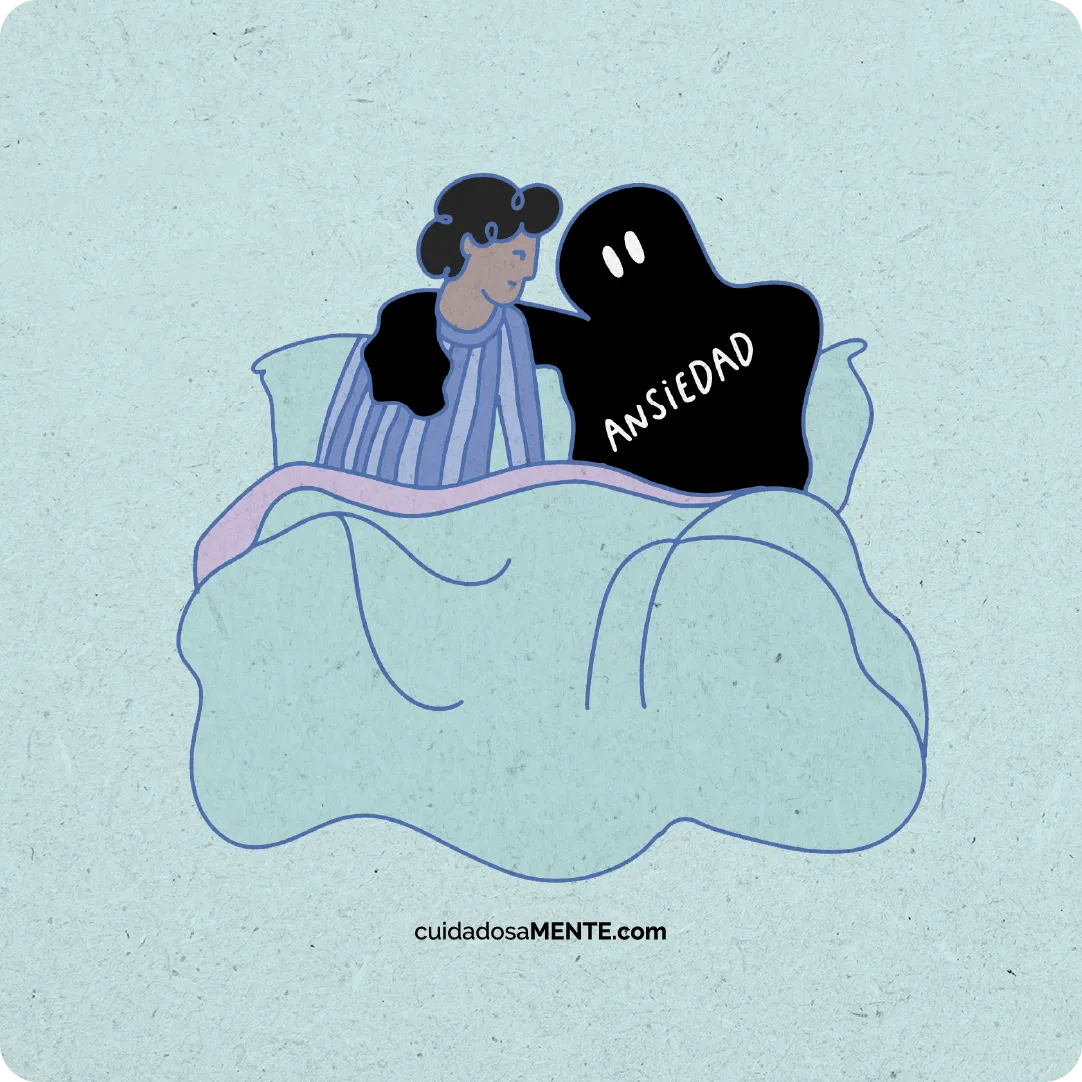
Surely you have had nights when you cannot fall asleep, no matter how hard you try. You have multiple awakenings that hinder restorative rest. Although sleeping should be a natural process, for many, the night becomes the time of greatest activity, where the mind does not rest, burdened with intrusive, repetitive thoughts, worries, and pending tasks, characterized by a constant state of alertness. Insomnia and anxiety often appear together in these moments.
What is Insomnia and What is Anxiety?
Insomnia is a sleep disorder characterized by difficulty falling asleep, staying asleep, or achieving restorative rest. It has the power to alter your life completely.
Let’s remember that sleep is one of the basic needs of any person, and when deprived of it for some reason, it can start to generate problems affecting your energy, mood, work performance, health, and therefore your quality of life.
Anxiety, on the other hand, is a bodily response to situations perceived as threatening. It can manifest with intrusive thoughts, physical tension, and a constant feeling of alertness.
When both coincide, a cycle is created that is difficult to break.
What Causes Insomnia?
The causes of insomnia are multiple, and some of them are related to:
- Anxiety
- Constant worries
- Depression
- Stress
- Poor sleep habits
- Medical or psychiatric conditions
Various studies have shown that the relationship between anxiety and insomnia is bidirectional: one can provoke the other and vice versa. This creates a vicious circle that feeds itself.
Why Does Anxiety Worsen Insomnia?
When a person has been sleeping poorly for weeks or months, the body increases cortisol levels, known as the stress hormone. This intensifies intrusive thoughts and anxiety.
The problem is that sleep needs the opposite: safety, relaxation, and a sense of calm.
This is where the cycle forms:
Intrusive thoughts before sleeping ➡️ Difficulty falling or staying asleep ➡️ Irritability appears and mental health begins to be compromised ➡️ Intrusive thoughts increase
How Does Insomnia Affect Mental Health?
Sleep has a direct impact on emotional regulation. Poor sleep not only causes fatigue but also affects how you process what you feel. This can lead to:
- Irritability
- Low concentration
- Mood swings
- Difficulties in personal relationships
- Decreased self-esteem
- Increased substance and medication use
What Are the Symptoms of Insomnia?
These are some symptoms that characterize insomnia; however, it is important to view them holistically, as they do not represent a diagnosis on their own (DSM-5-TR):
- Difficulty falling asleep
- Frequent awakenings during the night
- Consecutive awakenings and difficulty returning to sleep
- Depressive and/or anxious sensations
- Problems with concentration, attention, and motivation
- Constant worries related to sleep
- Low performance
It is important that the diagnosis of any sleep disorder is made by a qualified professional (in this case, a psychiatrist).
How to Sleep if I Have Insomnia and Anxiety?
The treatment for insomnia and anxiety is usually comprehensive. The first line of approach is psychological, where the aim is to modify sleep patterns that may be interfering with rest, while also working on the cognitive and behavioral components to break the cycle of insomnia and anxiety.
One of the therapeutic models that works directly with the problem is Cognitive Behavioral Therapy, primarily focusing on:
Cognitive Axis:
- Identifying limiting beliefs
- Reframing “bad nights”
- Working with tools against intrusive thoughts
Behavioral Axis:
- Establishing ideal sleep hygiene and routine
- Sleep restriction
- Consistent routines that benefit good sleep
What Can I Do Before Sleeping to Reduce Anxiety?
A key point is to prepare the body for rest.
A recommended technique is Jacobson's progressive relaxation, which combines breathing, muscle relaxation, and mindfulness. This type of exercise helps decrease the activation of the nervous system.
You can also help yourself by:
- Avoiding screens before sleeping
- Maintaining regular schedules
- Reducing caffeine in the afternoon
- Creating a comfortable and dark environment
Understanding Insomnia is Also Part of the Solution
Insomnia and anxiety do not appear out of nowhere. Often, they are the way the body and mind express that they need attention. Looking deeply will not only allow you to sleep better but also address what is causing these disturbances.
If you are experiencing any sleep disturbances, it is important to know that there is a solution and treatment.
Frequently Asked Questions About Insomnia and Anxiety
Does Anxiety Cause Insomnia or Is It the Other Way Around?
Both. There is a bidirectional relationship where one can trigger the other.
How Many Bad Nights Indicate Insomnia?
It is not about isolated nights, but about persistent difficulty over weeks that affects your daily life.
Can Insomnia Be Cured Without Medication?
Yes, in many cases, psychological treatment is sufficient, especially with Cognitive Behavioral Therapy.
What Happens If I Don’t Treat Insomnia?
It can intensify emotional problems, affect your performance, and increase the risk of other disorders.
Is It Normal to Have Intrusive Thoughts When Trying to Sleep?
It is common in people with anxiety, but when it is constant, it is important to address it with professional help.