
Researchers Warn: Your Stroke Risk Increases by 43% If You Have This Sleep Habit
Discover how your sleep habits can affect your health, including an increased risk of stroke due to excessive nighttime light exposure.
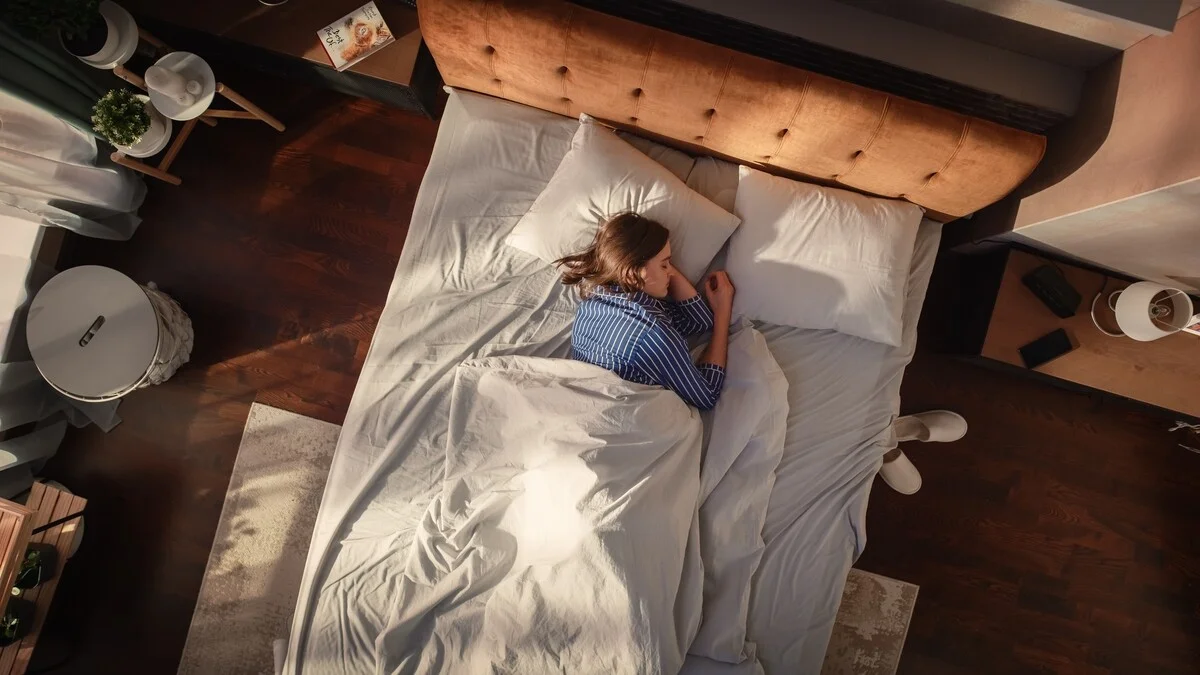
Researchers Warn: Your Stroke Risk Increases by 43% If You Have This Sleep Habit
Our habits and preferences regarding sleep not only affect its quality but can also harm our health.
Natural light is essential for regulating our sleep-wake cycles, but what happens when we are exposed to excessive artificial light at night? According to a study published by the American Heart Association, sleeping in an overly bright environment could not only disrupt your sleep but also increase the risk of serious illnesses.
Increased Stroke Risk
A study conducted by Chinese researchers highlighted a concerning link between nighttime light exposure and an increased risk of strokes. By analyzing data from over 28,000 individuals, they found that those who slept in rooms exposed to bright light had a 43% higher risk of experiencing a stroke.
This exposure disrupts the natural circadian rhythm, affecting melatonin secretion and causing increases in blood pressure, triglycerides, and blood sugar levels—known risk factors for strokes and other vascular diseases.
How to Limit Light Pollution?
Light pollution, particularly in urban areas, is often unavoidable, but its effects can be mitigated. It is advisable to minimize exposure to artificial light during the night by using blackout curtains or wearing a sleep mask to maintain the darkness necessary for restorative sleep.
Quality sleep is not only measured by its duration but also by its quality, influenced by the immediate environment.
Eliminate Distractions
Simple measures can be adopted to improve your sleep quality: keep the bedroom at a comfortable temperature (between 16-18°C), avoid caffeine and heavy meals before bedtime, and reserve the bedroom solely for sleep, without distractions like screens or work in bed.
These practices can help support a healthy sleep cycle and reduce health risks associated with nighttime light pollution.