The "Sleep Divorce": Sleep Specialists Explain Why Some Couples Benefit from Sleeping Apart
To keep your relationship afloat, consider a "sleep divorce." This technique can lead to a lasting and healthy romantic relationship. Learn more.

The "Sleep Divorce": Sleep Specialists Explain Why Some Couples Benefit from Sleeping Apart
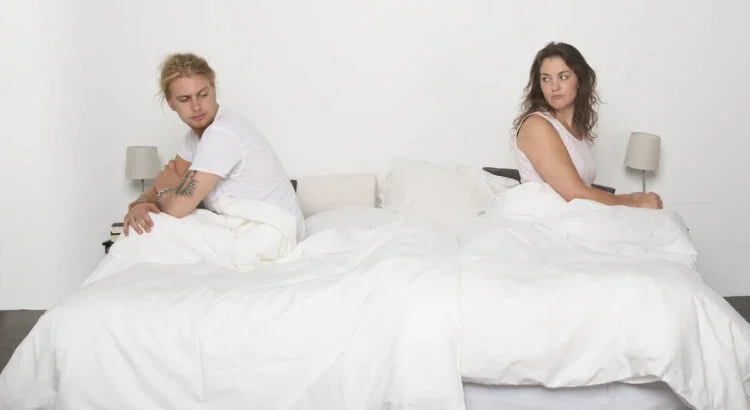
To keep your relationship afloat, you might just need to consider... a "sleep divorce." According to a study, this technique can lead to a lasting and healthy romantic relationship. Let’s explain.
We’ve all been there at least once: it’s 2 AM, and we’re staring at the clock. To ensure we have some semblance of energy for the next workday, we should probably fall asleep... but one little detail (not so insignificant) is preventing us from closing our eyes and drifting off: our partner. Whether they snore, toss and turn, or breathe too loudly, one thing is certain: if we were sleeping solo, we wouldn’t be waking up at this moment. Does this scene resonate with you? Then you should definitely try the "sleep divorce." Besides preserving your nights, this method could be the key to a lasting romantic relationship. The idea is simple: even if you’re a couple, you agree to sleep in separate beds. A recent study conducted in the United States revealed that 43% of millennials are fans of this practice, while in the UK, research by the National Bed Federation found that one in six couples living together now sleeps apart, and more than a third of them have been doing so for over five years.
A Trendy Method
If these figures surprise you, that’s quite normal. Most partners who don’t sleep together, unless they are over 60, prefer to keep this information to themselves. Sleeping in separate beds is indeed not very sexy or glamorous and is often associated with an older generation and an outdated tradition. For instance, Queen Elizabeth II and Prince Philip reportedly slept separately throughout their marriage.
Today, however, the "sleep divorce" has become widely accepted. The hashtag "separate beds" has appeared 2.6 million times on TikTok, while the hashtag "sleep divorce" has been viewed over 950,000 times.
An Effective "Divorce"?
But is such a method really effective for maintaining a harmonious relationship? A 2016 study showed that sleep problems and relationship issues are often linked. "After a bad night’s sleep, we are less emotionally stable, more likely to be grumpy or irritable, and our capacity for empathy decreases," confirms Dr. Allie Hare, a sleep medicine consultant at the Royal Brompton Hospital.
Occasional insomnia shouldn’t necessarily alarm you, but if your sleep troubles start to persist, it might be time to propose a "sleep divorce" to your partner. However, be careful to maintain moments of intimacy in your relationship!