
ADHD in Adults: Signs That No One Told You About
For years, you thought you were disorganized or too intense. ADHD in adults is often misunderstood. Learn about the signs and how to seek help.

For years, you thought you were disorganized, distracted, or simply "too intense." You believed you lacked willpower and that if you just tried a little harder, you would finish what you started. ADHD in adults is rarely portrayed as it is in movies, which is why thousands of people reach their thirties, forties, or fifties without knowing that their brains function differently. It’s not laziness or a lack of character; it’s a neurological way of processing attention, time, and impulses that, when unrecognized, feels like a personal "failure."
Important: This text does not replace a professional evaluation but does highlight the signs that almost no one talks about.
What is ADHD and Why Do So Many Adults Go Undiagnosed?
ADHD (Attention Deficit Hyperactivity Disorder) is a neurodevelopmental condition. This means it has been present since childhood and relates to how the brain regulates attention, activity, and impulse control. It doesn’t appear suddenly in adulthood, although it may become noticeable much later.
Why is it diagnosed so late? Because many of us learned to compensate as children. A person can manage for years with last-minute submissions, lists that are redone every morning, and a huge amount of mental energy dedicated to not falling short. While there was external structure—school schedules and home routines—the symptoms went unnoticed. The problem often erupts when that structure disappears, and work, bills, children, and home life all arrive at once.
Signs That Almost No One Told You About
The Hyperactivity That Isn’t Visible
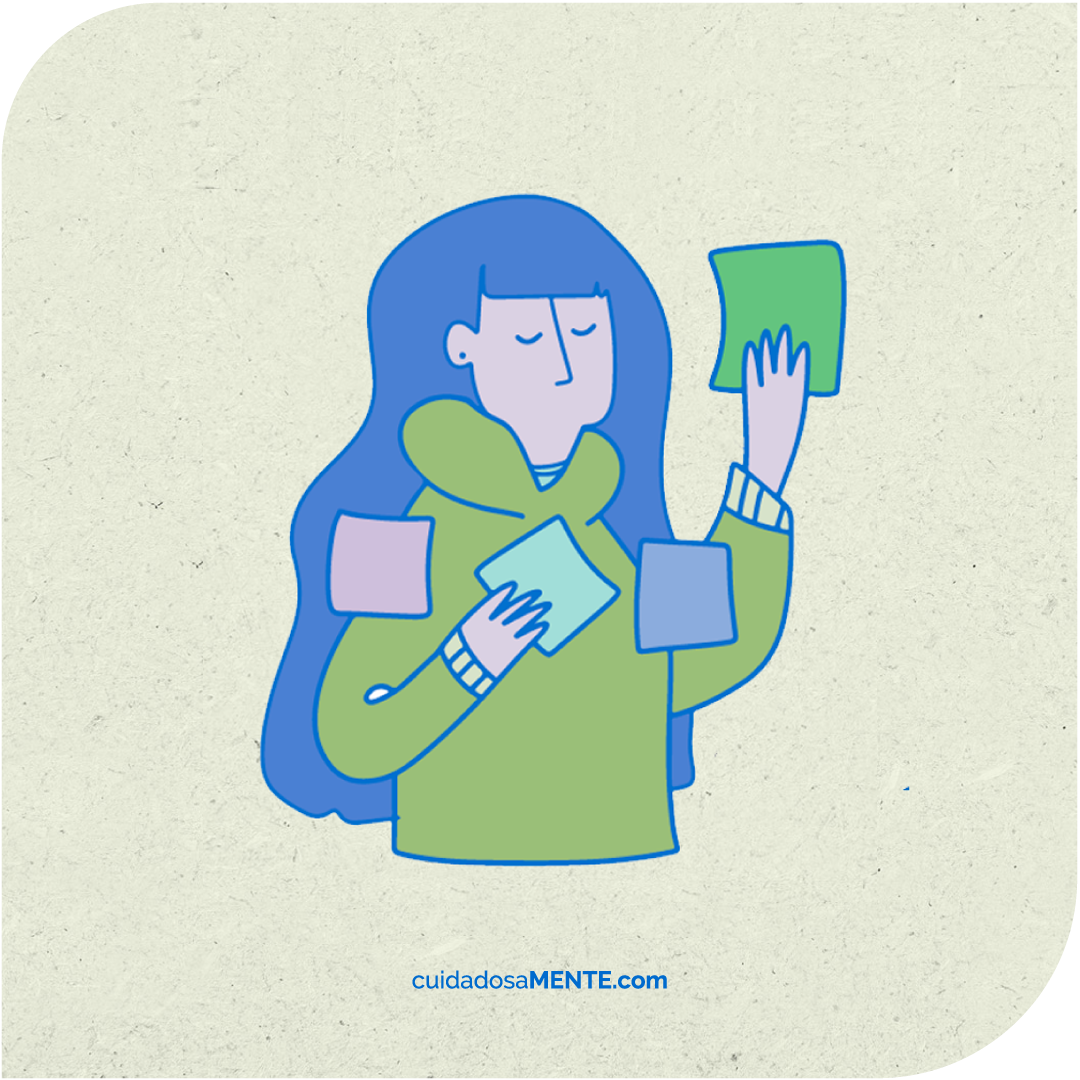
In adulthood, hyperactivity becomes a sort of engine running, with difficulty relaxing and the mind jumping from one thought to another while appearing calm on the outside. Many people describe it as having twenty tabs open in their head and not being able to find which one is making noise.
The “Time Blindness”
This is one of the most revealing and least known signs. ADHD alters time perception, so you miscalculate how long a task takes, lose track of hours when something captivates you, and arrive late even though you left “with plenty of time.” It’s not disrespect; your internal clock functions differently.
The Exhaustion of Pretending Everything is Fine
Hiding the chaos, checking emails three times, arriving early to avoid being late, smiling while feeling disorganized inside. This constant effort to fit in is called masking, and it explains why so many people with ADHD arrive at therapy exhausted, anxious, or with low self-esteem before even suspecting the diagnosis.
Emotions at Full Throttle
Rarely mentioned, but ADHD also affects emotional regulation. Feeling everything very intensely, going from euphoria to frustration in minutes, or experiencing a “no” as a massive blow are common experiences. Sensitivity to rejection, in particular, makes even minor criticism feel devastating.
Hyperfocus
It sounds contradictory in something called “attention deficit,” but it’s real. When a topic engages you, your attention becomes laser-focused, and you can spend hours without eating or checking your phone. The problem isn’t a lack of attention but the difficulty in directing it at will.
How to Know if I Have ADHD?
Recognizing yourself in this list is not a diagnosis, but it is a good reason to investigate. A key point to know if you have ADHD: the signs must have been present since childhood, before the age of twelve, and appear in more than one area of life, such as work and relationships.
The tests circulating on the internet serve to open the conversation, nothing more. There is no single test that detects ADHD.
The real diagnosis is made by a mental health professional through a clinical interview, your personal history, and ruling out other causes like anxiety, depression, or sleep issues, which can appear very similar. You can review official information on how ADHD manifests and is evaluated in adults in the CDC guide on ADHD in adults.
How to Treat ADHD?
The good news is that ADHD can be treated, and understanding what it is and how to treat it completely changes the experience. It doesn’t “cure” because it’s not an illness, but it can be managed effectively.
Treatment is almost never a single approach. It usually combines psychological support to work on concrete strategies for organization, time management, and emotional regulation, and especially to release the guilt accumulated over the years. Pharmacological treatment, when deemed appropriate by a doctor, can significantly improve concentration for many individuals; and changes in habits and structure, such as routines, reminders, sleep, and exercise, are not “self-improvement tips” but tools that the ADHD brain needs more than average.
The most important thing is not to settle for self-diagnosis. A professional evaluation provides clarity and, with it, a tailored plan.
Frequently Asked Questions About ADHD in Adults
Can ADHD in Adults Appear Suddenly?
It doesn’t appear suddenly. Generally, it has been present since childhood but becomes more evident when responsibilities increase.
How Can I Tell if I Have ADHD or Anxiety?
Both can coexist. The difference lies in the root of the problem: in ADHD, attention and organization difficulties predominate; in anxiety, constant worry is the main issue.
Can ADHD in Adults Be Treated Without Medications?
Yes, in some cases therapy and behavioral strategies are sufficient, although it depends on the severity of the symptoms.
Does ADHD Affect Personal Relationships?
It can affect communication, time management, and emotional regulation, but with treatment, it improves significantly.
Is a Diagnosis Necessary to Start Improving?
It’s not always necessary to initiate changes, but it is important for appropriate and personalized treatment.