
Emotions in Childhood: Why It's Important to Talk About Them
Talking about emotions in childhood is a form of care. Understanding and validating children's emotions is crucial for their emotional development.
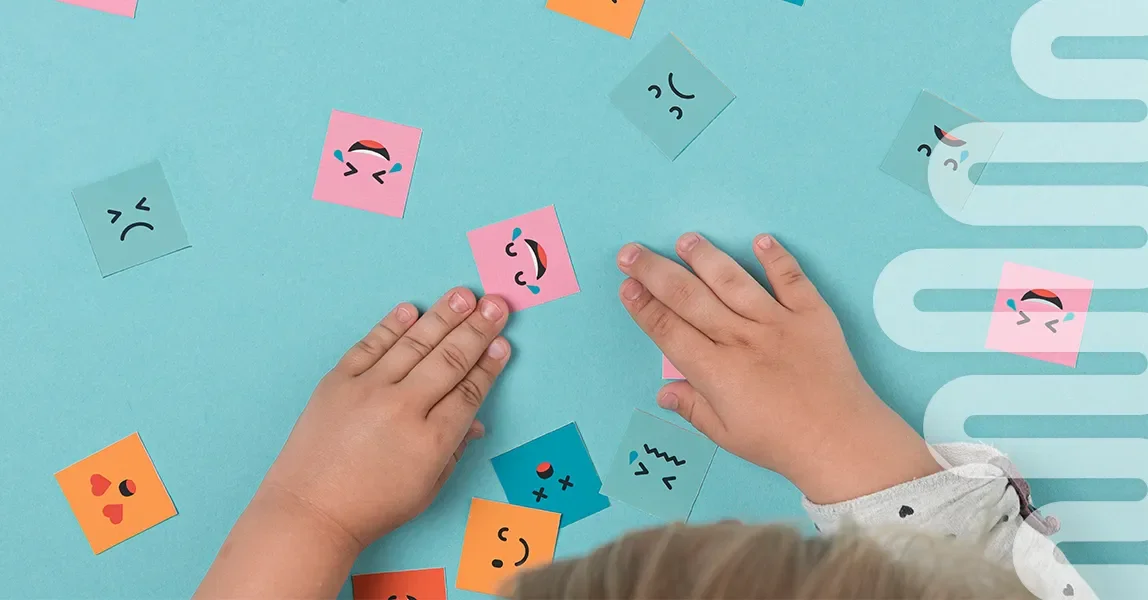
Talking about emotions in childhood is also a form of care. For a long time, it was believed that children did not really understand what they felt or that their emotions needed to be corrected quickly. There were even times when it was thought that childhood depression did not exist, when today we know that it can occur, although it is often expressed differently than in adults.
Phrases like "don't cry," "it's not a big deal," or "you must behave well" were part of many parenting styles. You might recall hearing something similar in your childhood or even find yourself saying it to someone around you.
Dr. Álvaro Bilbao, in his book The Child's Brain Explained to Parents, says something that summarizes this topic very well: "Helping children understand their emotions also helps them understand themselves." And yes, because when an adult helps a child identify what they feel, they are also teaching them to know themselves, express themselves, and gradually regulate their emotions.
What Are Emotions in Childhood?
Emotions in childhood are natural responses that children experience in relation to what they live, need, fear, or desire. They can feel sadness, anger, fear, shame, frustration, joy, or insecurity, even if they do not yet have the words to explain it clearly.
Therefore, many times an emotion appears in the form of crying, tantrums, irritability, silence, excessive attachment, or rejection. We relate this to "bad behavior," but sometimes it is the only way the child finds to communicate something they still cannot name.
How Do Emotions Develop in Childhood?
Emotions in childhood develop through relationships with adults, language, the safety of the environment, and everyday experiences. A child does not come into the world knowing how to regulate what they feel. They learn it gradually, mainly when an adult helps them put into words what is happening inside them.
Normally, when we think about what a child needs, basic needs like food, education, or physical care come to mind. But there is another equally important need: the emotional aspect.
When an adult emotionally supports a child, they help them develop skills that will serve them throughout their lives:
- develop greater security
- strengthen their self-esteem
- better express their needs
- emotionally regulate themselves
- build healthier and more lasting relationships
Children Feel More Than We Imagine
Although they may not always be able to explain it, children can feel sadness, shame, frustration, fear, insecurity, or joy with great intensity. Their brains are still learning to organize those experiences, which is why they need adults to help them make sense of what they feel.
For example, a child may cry because they are tired, react with anger because they felt ignored, or show irritability because something scared them or they are tired and do not know how to communicate it. From the outside, it may seem exaggerated, but for them, the emotion is real.
That is why validating first is often much more useful than correcting immediately.
We can say:
- "I understand that you are sad because you wanted to keep playing in the park"
Instead of responding:
- "Stop crying"
- "It's not a big deal"
- "We'll come back later"
When a child feels understood, they develop emotional security. Gradually, they learn that what they feel is not dangerous, shameful, or wrong, but something they can recognize and express in a healthier way.
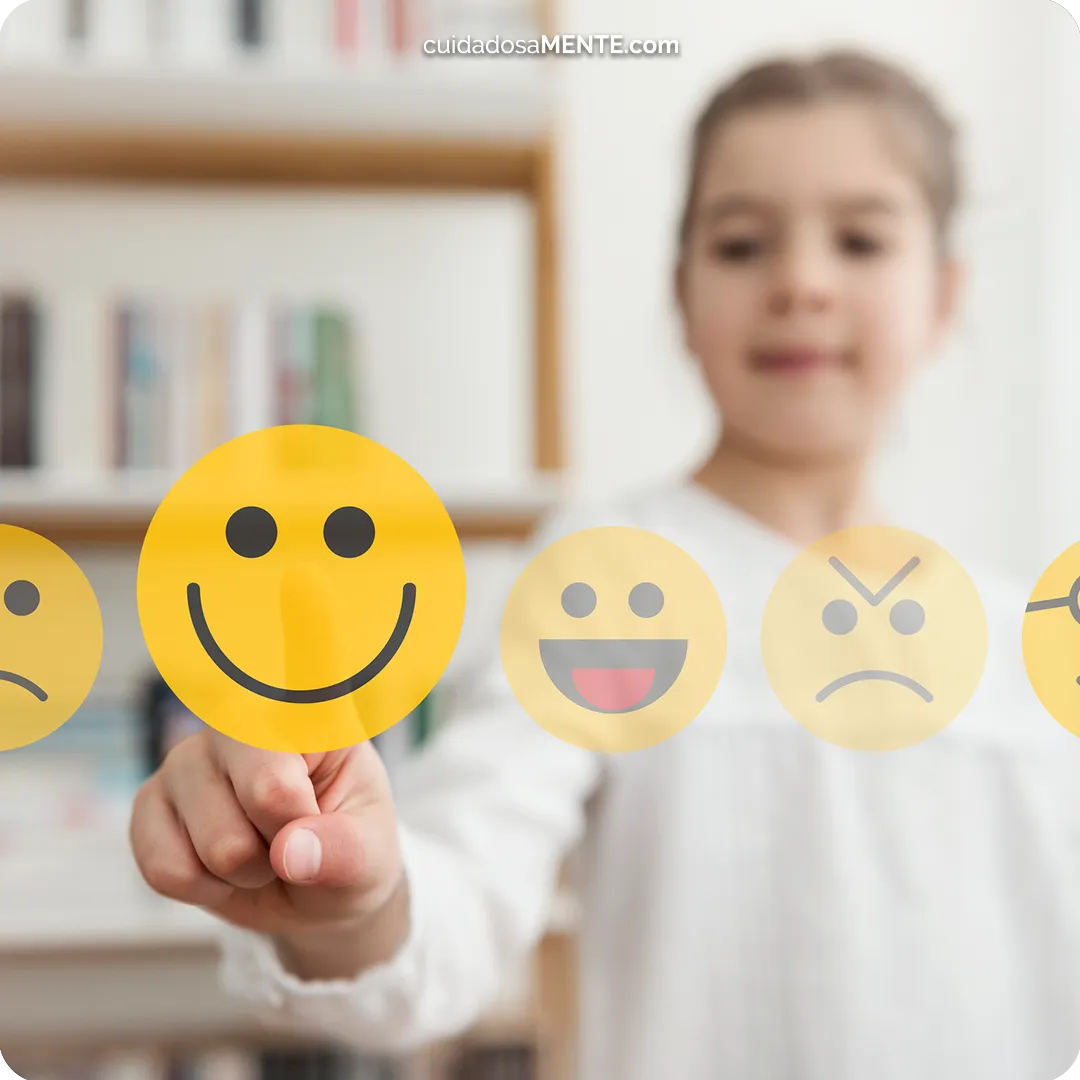
Validating Emotions Does Not Mean Allowing Any Behavior
Sometimes it is thought that validating emotions means allowing any behavior, but that is not the case.
Validating does not mean always agreeing or letting them do whatever they want. Validating means recognizing that what they feel is real and important, while at the same time, there are limits. As adults, we can validate the emotion without applauding or agreeing with the behavior.
For example: "I understand that you are angry because you wanted that toy, but I cannot allow you to hit."
Here the child learns two valuable things: that their emotions are accepted and that there are healthy ways to express them.
What We Learn as Children Often Stays with Us as Adults
When a person grows up hearing that crying is exaggerating, that expressing anger is wrong, or that feeling sad is a weakness, they often learn to disconnect from their emotions. This can be seen later in adults who:
- feel ashamed to cry
- believe that expressing emotions makes them weak
- avoid talking about what they feel
- explode after accumulating too much
- have difficulty setting boundaries and asking for what they need
What Can We Do as Adults?
First, know that there are no perfect mothers, fathers, or caregivers. Emotionally supporting also involves making mistakes. The important thing is to repair, recognize that sometimes we do not react appropriately, and above all, keep learning.
Some simple ways to start are:
- Help them name what they feel
- Listen before correcting
- Do not ridicule their crying
- Teach that all emotions are valid
- Model healthy ways to handle anger and frustration
- Create spaces where they can express themselves without fear and without feeling judged
Emotionally supporting a child does not mean shielding them from difficult emotions; it means teaching them that they do not have to go through them alone.
And perhaps there lies one of the deepest ways to care for childhood: helping them discover that what they feel matters, that they deserve to be heard, and that they do not have to hide their emotions to feel loved.
A Recommendation to Better Understand the Child's Brain
If this topic resonated with you and you want to better understand how to emotionally support a child, a good recommendation is The Child's Brain Explained to Parents by Álvaro Bilbao.
It is a book written in a close and simple manner that helps understand how the child’s brain works, why children react emotionally in certain ways, and how adults can support them from emotional connection, not just from punishment or correction.
Frequently Asked Questions About Emotions in Childhood
What are emotions in childhood?
Emotions in childhood are natural responses that children experience in various situations, such as fear, joy, sadness, anger, or frustration. Although they may not always be able to explain them in words, they feel them as real and intense.
How can I help a child express their emotions?
You can help them by naming what they seem to feel, listening without ridicule, validating their emotion, and teaching them appropriate ways to express it. For example: "I see that you are angry, but we cannot hit. We can say it with words."
Is validating emotions in children the same as giving in?
No. Validating emotions means recognizing what the child feels, but that does not eliminate limits. An adult can say: "I understand that you are upset," while still maintaining a clear rule.
Why does a child throw a tantrum if they are just sad or tired?
Because they are still learning to regulate their emotions. Sometimes a tantrum is a sign of tiredness, frustration, hunger, fear, or a need for attention. It is not always manipulation; many times it is a lack of emotional resources.
When should I seek professional help?
It is advisable to seek professional guidance if the child shows intense or persistent changes in behavior, frequent sadness, isolation, excessive fear, constant irritability, sleep problems, or significant difficulties in relating to others.